Tinnitus is often described as ringing, buzzing, humming, or other sounds that do not come from an external source. The experience can be different for every person. One individual may notice a soft sound only at night, while another may struggle with a constant sound that affects sleep, concentration, or daily activities.

As tinnitus experiences vary, a single approach does not work equally well for everyone. Artificial intelligence (AI) may offer new ways to organize information and support more personalized tinnitus relief programs. It cannot replace a proper evaluation or professional judgment. However, it may help identify patterns and make certain tools easier to adjust to an individual’s needs.

Understanding the Personal Nature of Tinnitus

AI systems can process large amounts of information and identify patterns that may be difficult to notice over time. The goal is not for a computer to make medical decisions alone. Instead, AI can organize information that supports more informed and personalized care. For a closer look at current management options, we provide information about managing tinnitus and available treatment approaches.

Personalizing Sound-Based Support

Sound therapy is one area where personalization may be especially useful. Some people find relief from gentle background sounds, while others may prefer nature sounds, white noise, or carefully adjusted sound delivered through hearing technology.

AI could help a program learn which sounds a person uses most often and which settings they find most comfortable. Over time, the system might suggest adjustments based on user feedback and listening patterns.

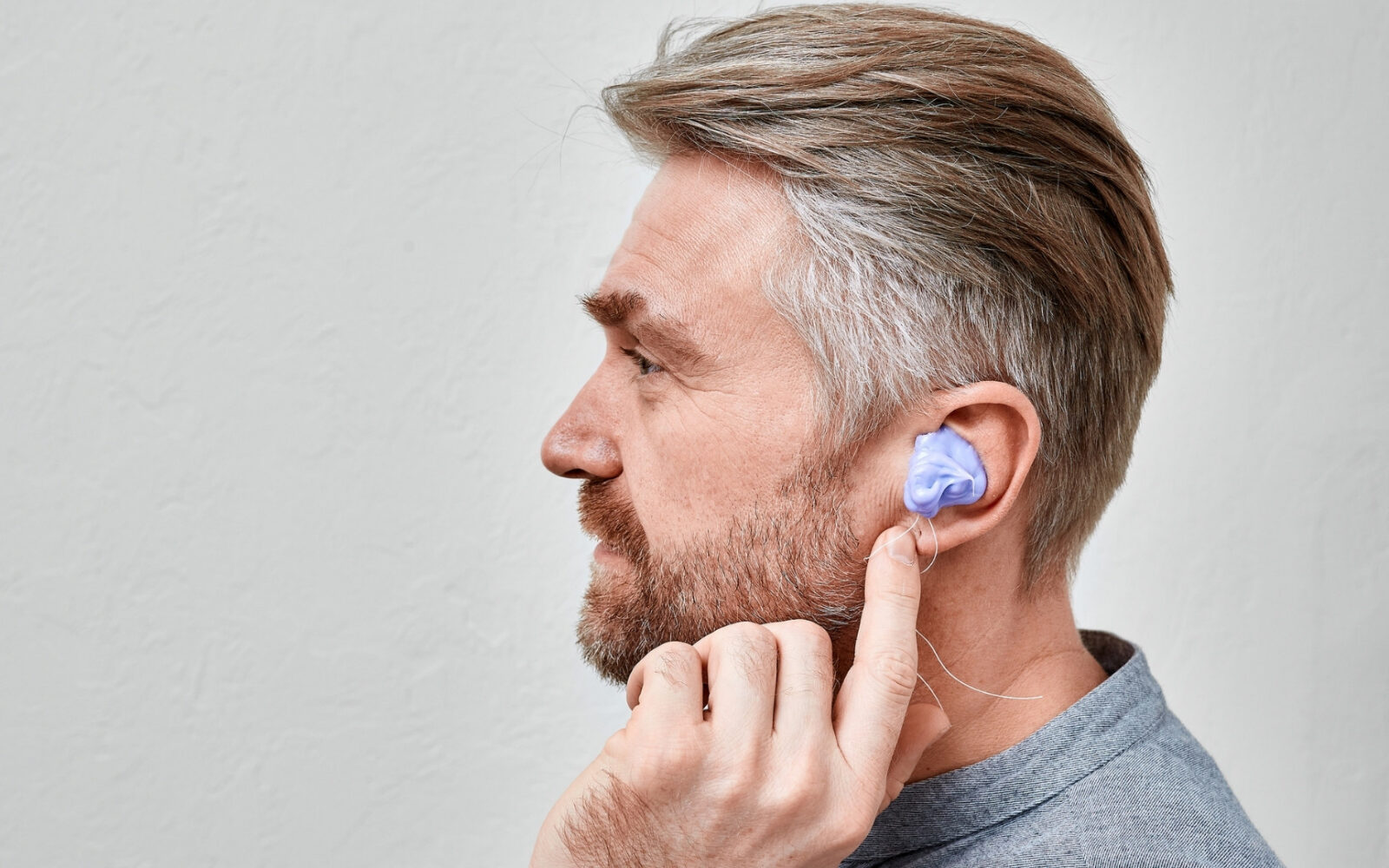
We also explain how tinnitus maskers and sound therapy can be customized to address an individual’s tinnitus experience. Personalization matters because a sound that feels calming to one person may be distracting to someone else.

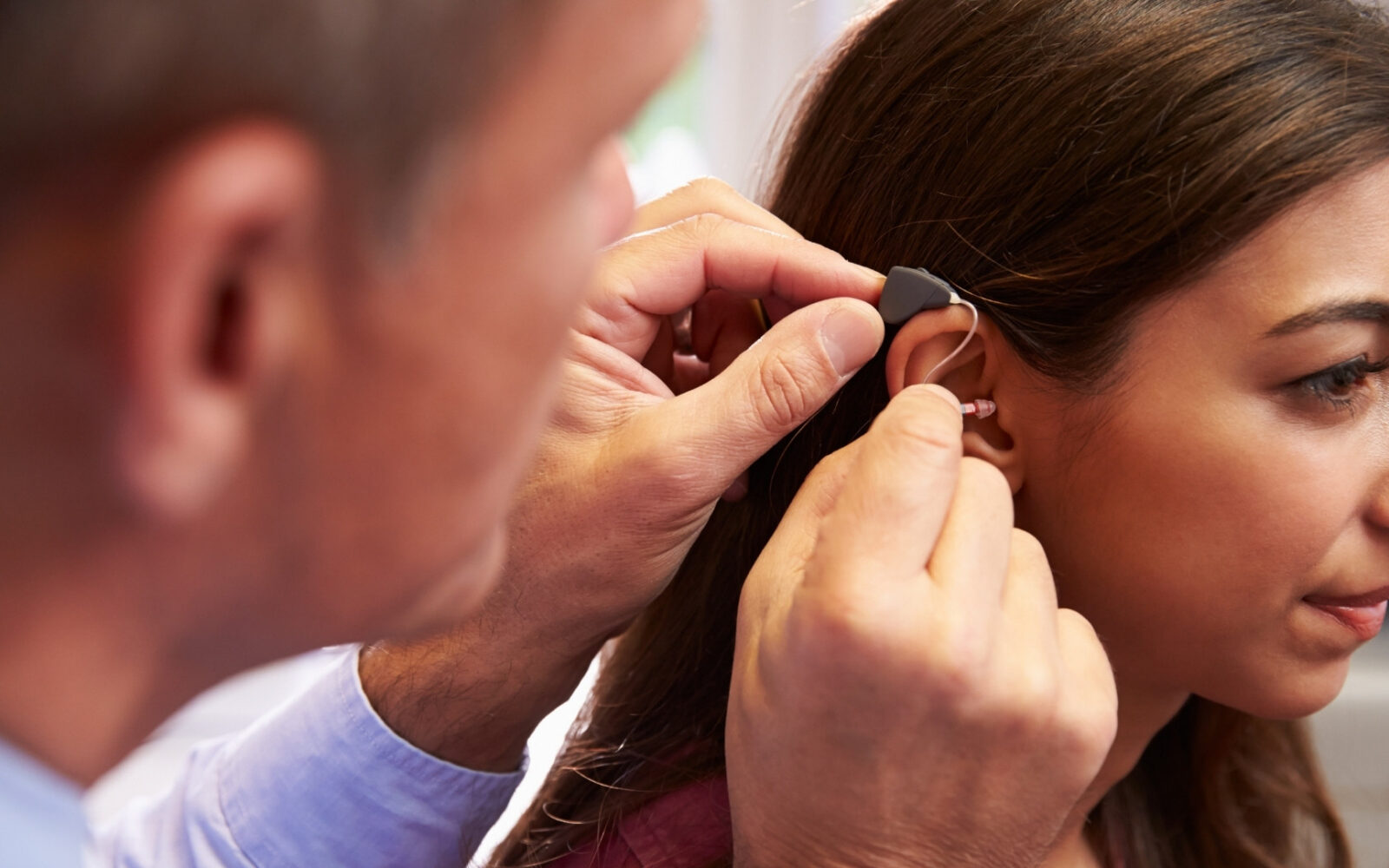
A hearing health professional should remain involved when changes involve hearing technology or a structured treatment plan. Professional guidance helps ensure that recommendations are appropriate for the individual’s hearing needs and symptoms.

Using Daily Information to Find Patterns

A personalized program may also use simple daily check-ins. A person could record sleep quality, stress levels, tinnitus awareness, and situations that make symptoms easier or harder to manage. AI tools may recognize repeated patterns within this information.

For example, a program might show that symptoms are reported as more disruptive after poor sleep. Another person may notice that quiet rooms make tinnitus more noticeable. Possible benefits of personalized tracking include:

  • Identifying situations that may increase tinnitus awareness.
  • Recording which strategies provide the most relief.
  • Supporting discussions with a hearing health professional.

Technology works best when the information is used thoughtfully. Data should support the person and not create pressure to track every symptom perfectly.

AI and Better Hearing Technology

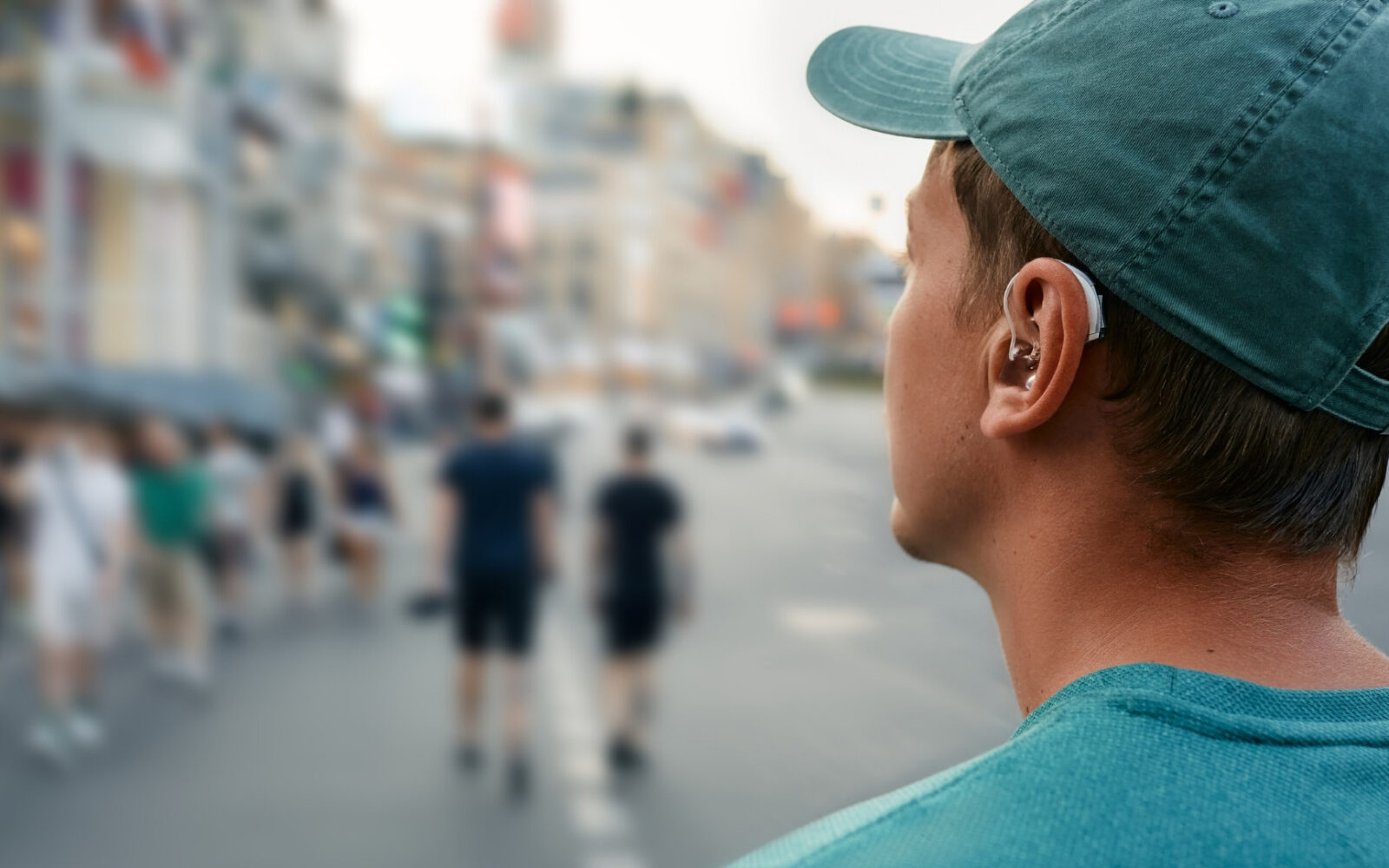
AI is already being used in many types of hearing technology to adapt to changing listening environments. Future tools may offer more detailed personalization for people who experience both hearing loss and tinnitus.

For example, hearing technology may adjust certain settings based on the surrounding sound environment. Personalized tinnitus features may also allow users to select sound options that fit different parts of the day.

What AI Cannot Do Alone?

AI can be useful, but it has limits. Tinnitus can have many possible causes, and a digital tool cannot replace a complete evaluation when one is needed. A person should seek professional guidance for new, sudden, or changing symptoms. A hearing health professional can discuss hearing concerns and determine whether additional medical care may be appropriate.

Final Thoughts

AI may become a helpful tool for personalizing tinnitus relief programs. By organizing symptom information, identifying patterns, and supporting adjustments to sound-based strategies, technology may help people better understand their own experiences.

The most useful approach will still combine technology with professional guidance and personal choice. Tinnitus management is not the same for everyone, and AI should support individualized care rather than replace human judgment.

As these tools continue to develop, they may offer more flexible ways to track symptoms and personalize support. For people living with tinnitus, the goal remains the same: finding practical strategies that reduce its effect on everyday life and support greater comfort and well-being. Contact us to learn more about it.