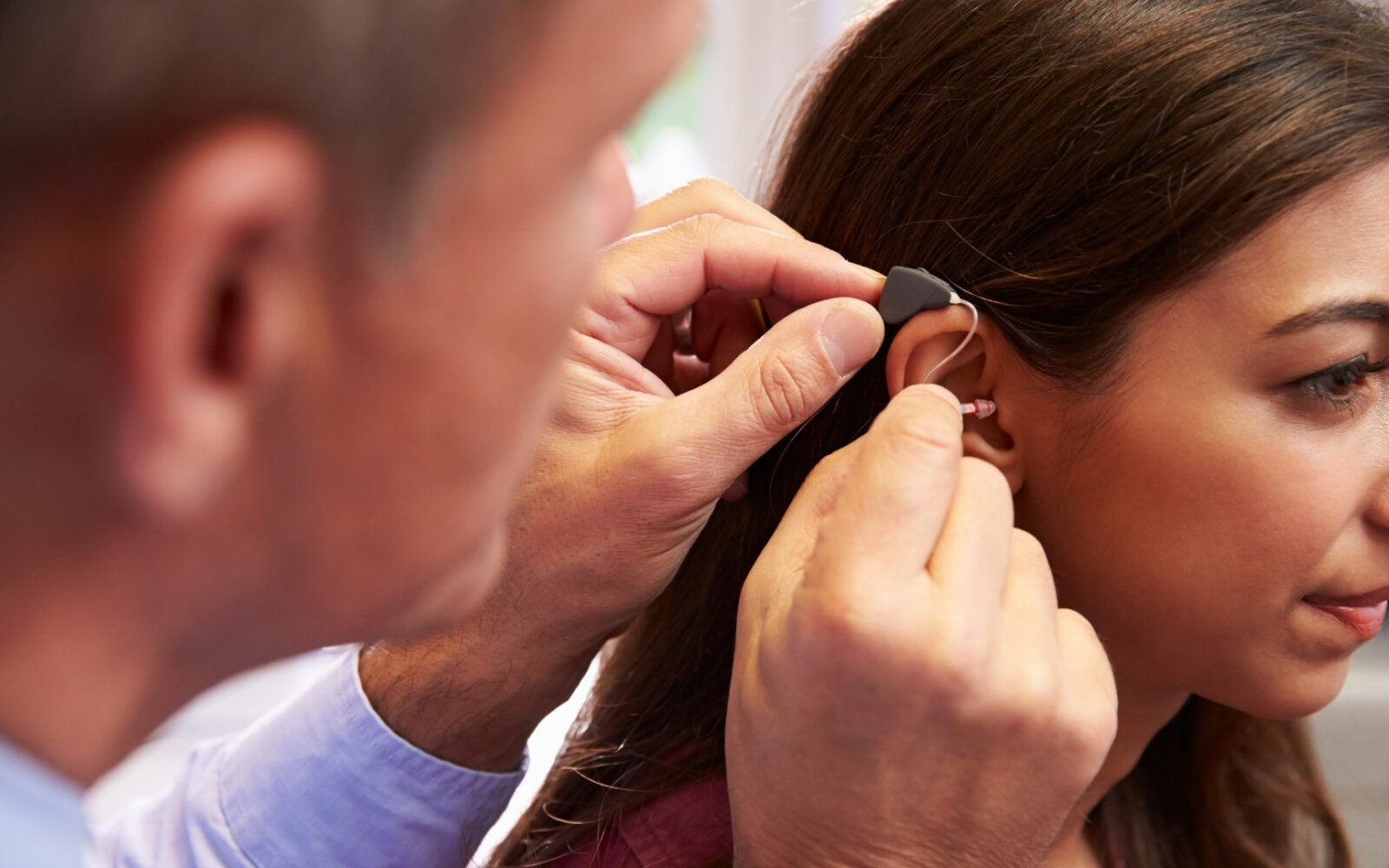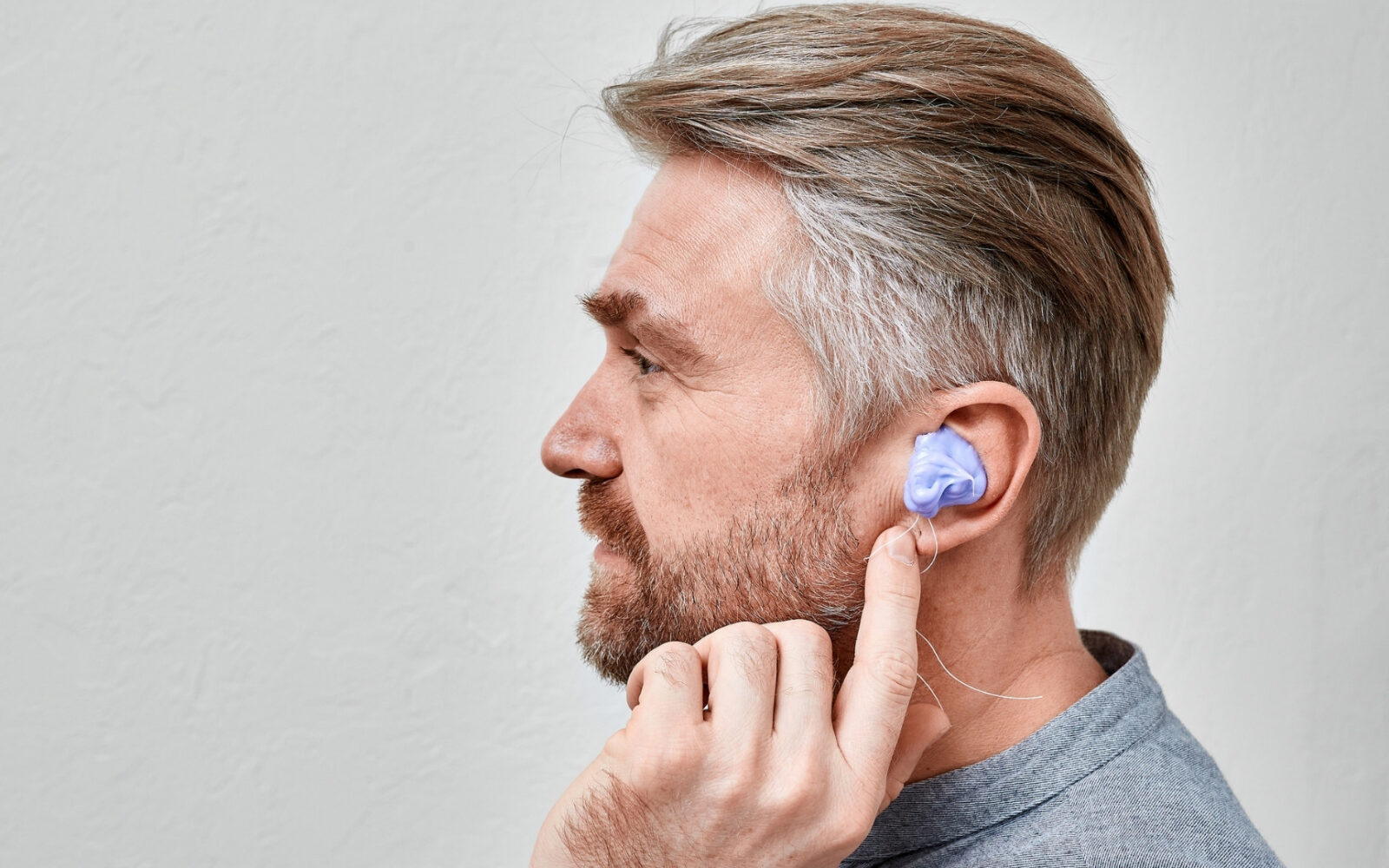
Hearing loss is a common health condition that affects people of all ages. Although many individuals live with hearing changes, misunderstandings about hearing loss are widespread. These myths can prevent people from seeking help, discourage them from using hearing aids, or make them feel embarrassed about their condition. By clearing up these false beliefs, we can encourage better hearing health and promote respectful communication. This guide explains several common myths about hearing loss and the facts that correct them.

Myth: Hearing Loss Only Affects Older Adults

Many people believe that hearing loss is only a problem for older people. While age-related hearing loss is very common, it can occur at any age. Babies can be born with hearing difficulties, children may develop hearing loss from infections, and teens or adults may lose hearing due to noise, injuries, or illness. In modern society, long-term exposure to loud music and headphones has increased hearing concerns among younger populations. Hearing loss is not limited to a single age group, which is why awareness and prevention are important for everyone.

Myth: If You Can Hear Some Sound, Your Hearing Is Fine

Some individuals think that hearing loss means total deafness. The truth is that most hearing loss begins gradually and affects certain frequencies or speech clarity before affecting overall volume. Many people with hearing loss can hear voices but struggle to understand words, especially in noisy environments. They may miss parts of a conversation, confuse similar-sounding words, or ask others to repeat themselves. Hearing loss is not always obvious in the early stages, which is why regular hearing tests are valuable. Detecting hearing changes early allows for better treatment and less frustration.

Myth: Hearing Loss Is Just an Inconvenience

Hearing loss affects more than the ability to hear sounds. It influences communication, relationships, learning, safety, and mental health. Untreated hearing loss can make it harder to follow directions at work or school, understand medical advice, or enjoy social events. It can lead to withdrawal from conversations and reduce confidence. Research has also linked untreated hearing loss to increased cognitive strain and a higher risk of social isolation. Treating hearing loss improves quality of life and helps prevent negative emotional and cognitive outcomes.

Myth: Hearing Aids Make Everything Sound Perfect Again

Some people believe that hearing aids restore normal hearing instantly. Hearing aids are valuable medical devices that amplify sound and improve clarity, but they do not fully recreate natural hearing. The brain needs time to adjust to new sounds from hearing aids. Background noise, speech patterns, and environmental sounds may feel different at first. However, with proper fitting and follow-up care, hearing aids can greatly improve communication and overall well-being. Hearing aids work best when users have realistic expectations and receive support from hearing care professionals.

Myth: Hearing Loss Cannot Be Prevented

Although some types of hearing loss cannot be avoided, many cases are preventable. Noise-induced hearing loss occurs when loud sounds damage the tiny hair cells in the inner ear. This type of damage is permanent, but it can be prevented by limiting exposure to loud noise. Protective hearing gear is important during activities such as concerts, sporting events, construction work, or the use of power tools. Listening to music at safe levels and taking breaks from headphones also reduces risk. Maintaining general health through proper medical care can prevent ear infections and reduce complications from certain illnesses.

Encouraging Accurate Understanding

Debunking myths helps reduce stigma and encourages people to seek hearing evaluations without fear. To support accurate awareness, it is helpful to remember:

  • Hearing loss can affect anyone at any age
  • Treatment improves communication and quality of life
  • Respectful communication supports people with hearing challenges

Open conversations about hearing health make it easier for people to ask questions, seek care, and use technology that supports their daily lives.

Conclusion

Myths about hearing loss can create confusion, delay treatment, and harm self-confidence. By understanding the facts, individuals and families can make informed decisions and support healthier communication. Hearing loss does not need to limit participation in social or work settings. With modern technology, advances in medical care, and increased community awareness, people with hearing loss can continue to lead active and fulfilling lives.