Completing a hearing aid evaluation is often the first step toward clearer sound and more confident listening. While the appointment itself provides insight into hearing levels and needs, the steps that follow hearing aid selection, fitting, and follow-ups determine how well one adapts to and benefits from amplification.

Many people assume the process ends with the evaluation, but it is really the beginning of a series of personalized decisions, adjustments, and support that create long-term success. Understanding what comes next can ease uncertainty and make the process feel approachable. 

Reviewing the Evaluation Results

The patient carefully reviews the results after the hearing evaluation. These results outline which frequencies and volumes are affected and whether the hearing loss is mild, moderate, or more severe. The professional explains what the test results mean for everyday listening, such as for conversations or watching TV. 

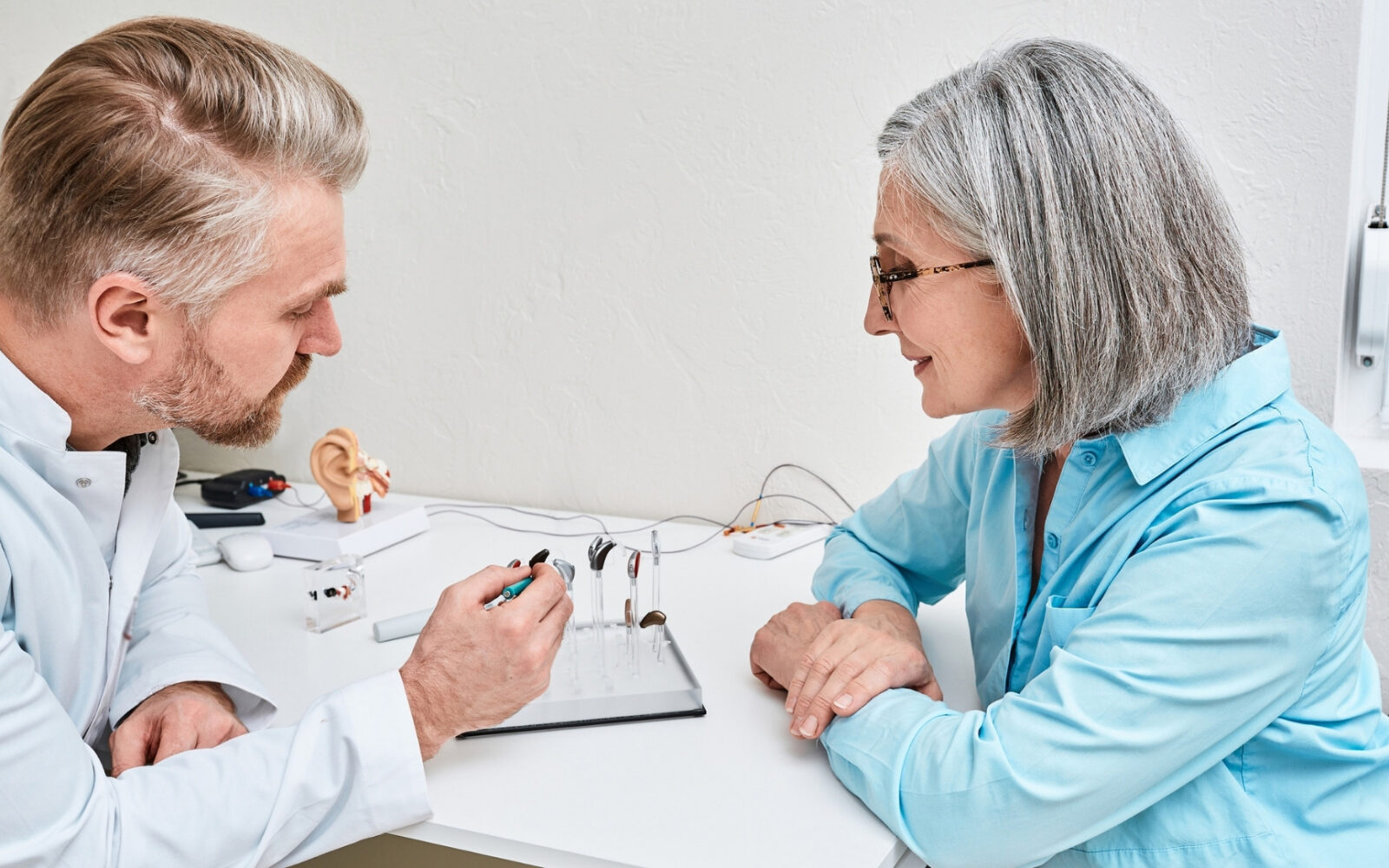
This review often includes recommendations for the type of hearing aid that may work best. The professional explains different styles, features, and technologies in plain language to help patients understand realistic expectations for hearing aids. The discussion also tackles expectations, assisting in setting achievable objectives for the device’s sound quality.

Selecting the Right Device

Once the evaluation is reviewed, attention turns to selecting a hearing aid. Many factors influence this choice, including lifestyle, preferences, and daily listening demands. Some users prioritize features like Bluetooth connectivity or rechargeable batteries, while others focus on size, comfort, or specific listening environments. The selection process considers these practical needs alongside medical requirements to help ensure comfort and good performance.

Patients are guided through various options and often try sample devices to gauge fit and feel. This hands-on experience helps clarify which device meets both technical and personal needs. By considering comfort, sound quality, and usability, the selection process reduces the chance of later frustration or underuse.

Scheduling the Fitting Appointment

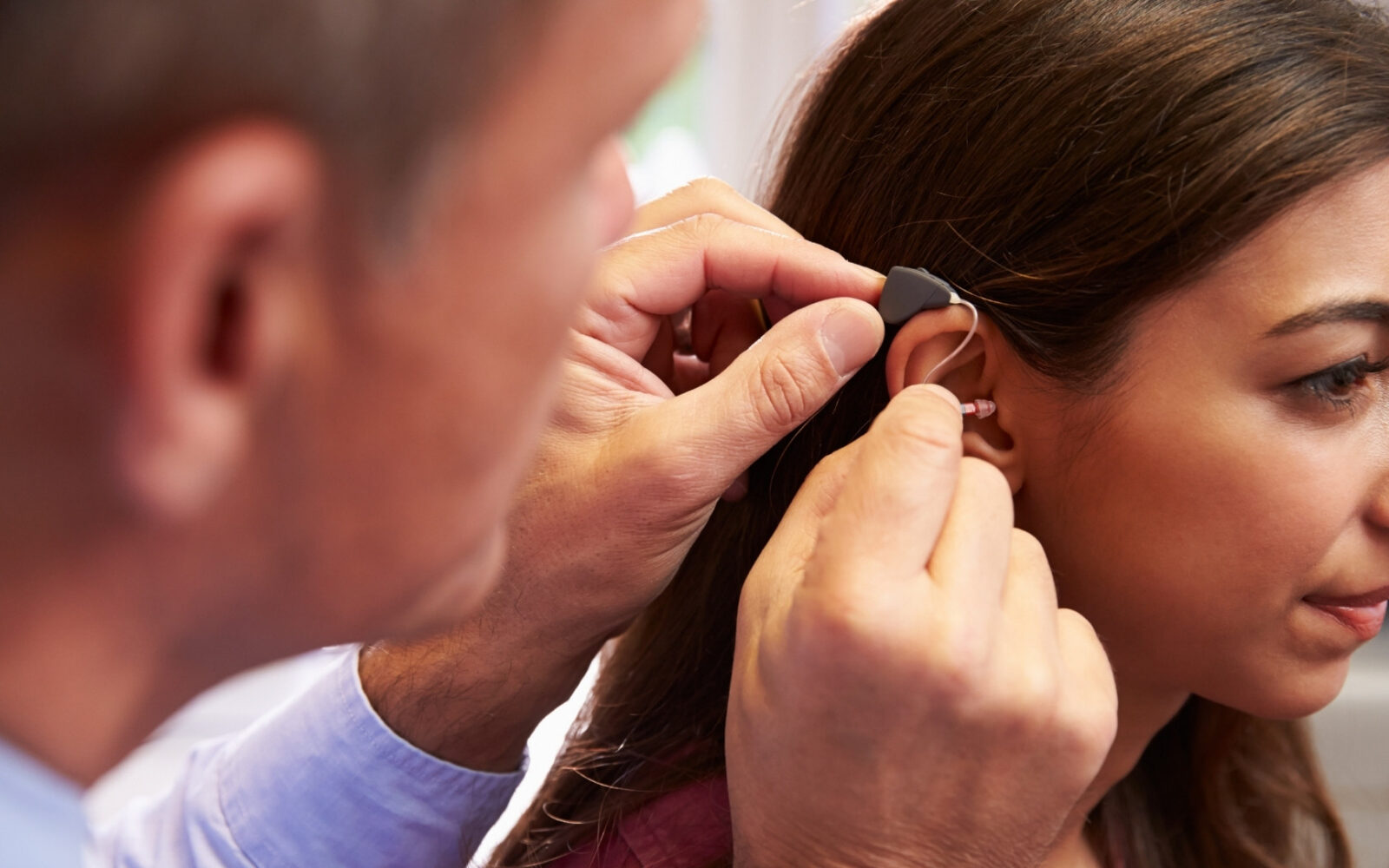
After a device is chosen, the next step is the hearing aid fitting appointment. This session focuses on adjusting the device to match the specific hearing profile measured during the evaluation. Settings are fine-tuned for different frequencies, sound levels, and environments. 

Fitting appointments also provide guidance on wearing and caring for the device. Patients learn how to insert, remove, and maintain the hearing aids, as well as how to adjust volume and settings. This hands-on support ensures confidence and comfort, setting the stage for successful daily use.

Adjustments and Follow-Up Care

Even after the initial fitting, follow-up appointments play an important role in ensuring optimal performance. These sessions allow for fine-tuning based on real-world listening experiences. A device may require minor adjustments to reduce background noise, improve speech clarity, or increase comfort. Regular follow-ups prevent frustration and help the user adapt more quickly to amplified sound.

Follow-up care also addresses issues like noisy environments or new listening situations. If the user spends more time in noisy places or begins using accessories like streaming devices, the hearing aid can be adjusted to maintain performance. This ongoing support helps improve comfort and clarity as hearing needs evolve.

Building Confidence in Daily Use

After the evaluation, selection, and fitting, the focus shifts to daily use. Learning to wear and rely on a hearing aid takes practice, especially for those who have experienced hearing loss for some time. Patience and consistent use allow the brain to adapt, helping users become more comfortable and efficient at processing sound.

Support during this stage is key. Guidance from a hearing health professional helps troubleshoot issues and optimize settings. Users often feel more confident knowing they have professional support available, which encourages consistent use and long-term satisfaction.

Knowing When to Reach Out for Support

Completing the evaluation and initial fitting is just the beginning of the hearing journey. Problems with fit, sound clarity, or device function are common early on. Reaching out to our hearing health professional for follow-up appointments or advice helps maintain device performance and user confidence.

Regular communication with a professional also builds confidence in consistent use. Any unexpected changes in hearing or challenges with device use can be evaluated and resolved efficiently. Proactive support keeps the hearing aid performing well and ensures the user remains connected to the sounds that matter most.