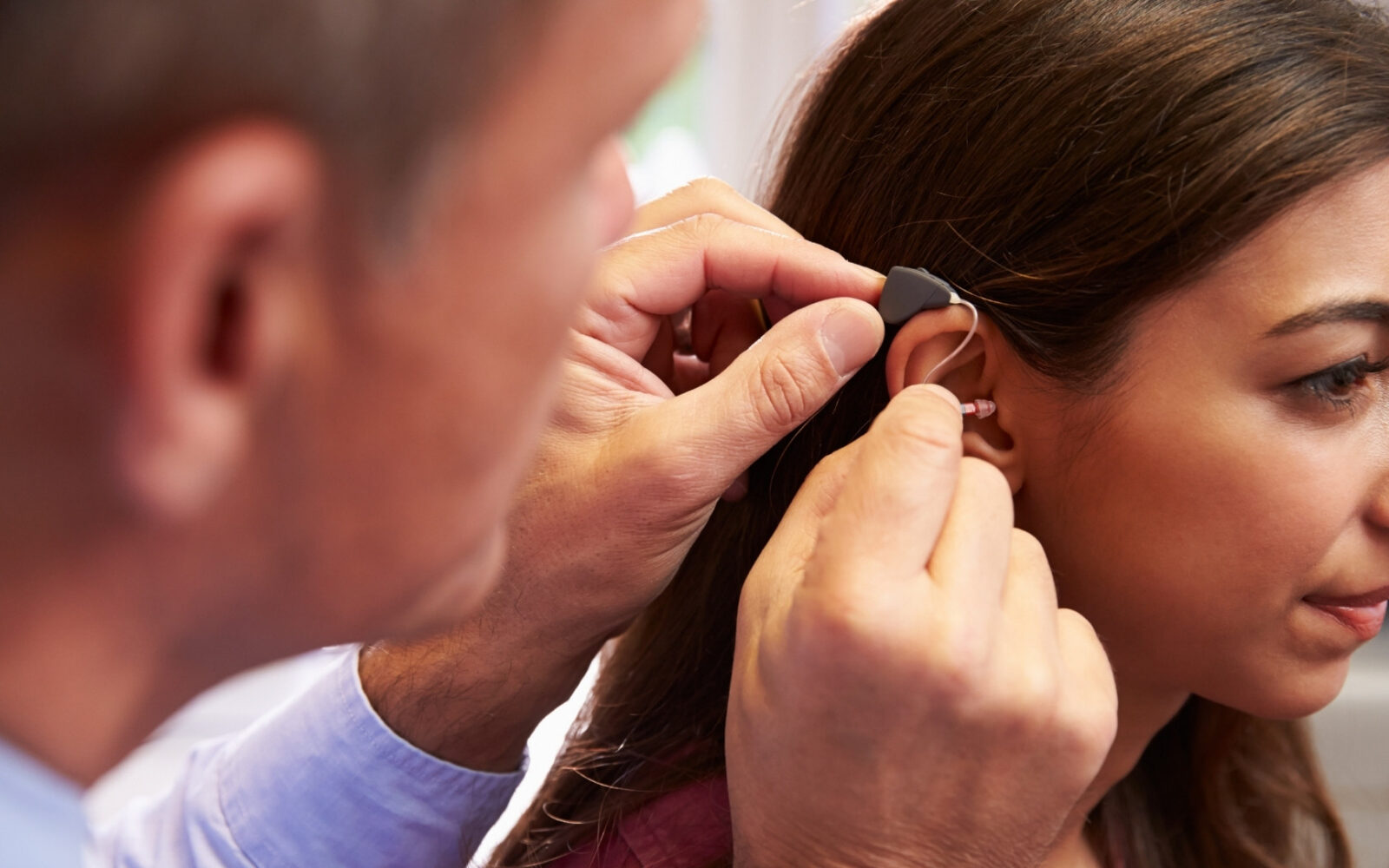
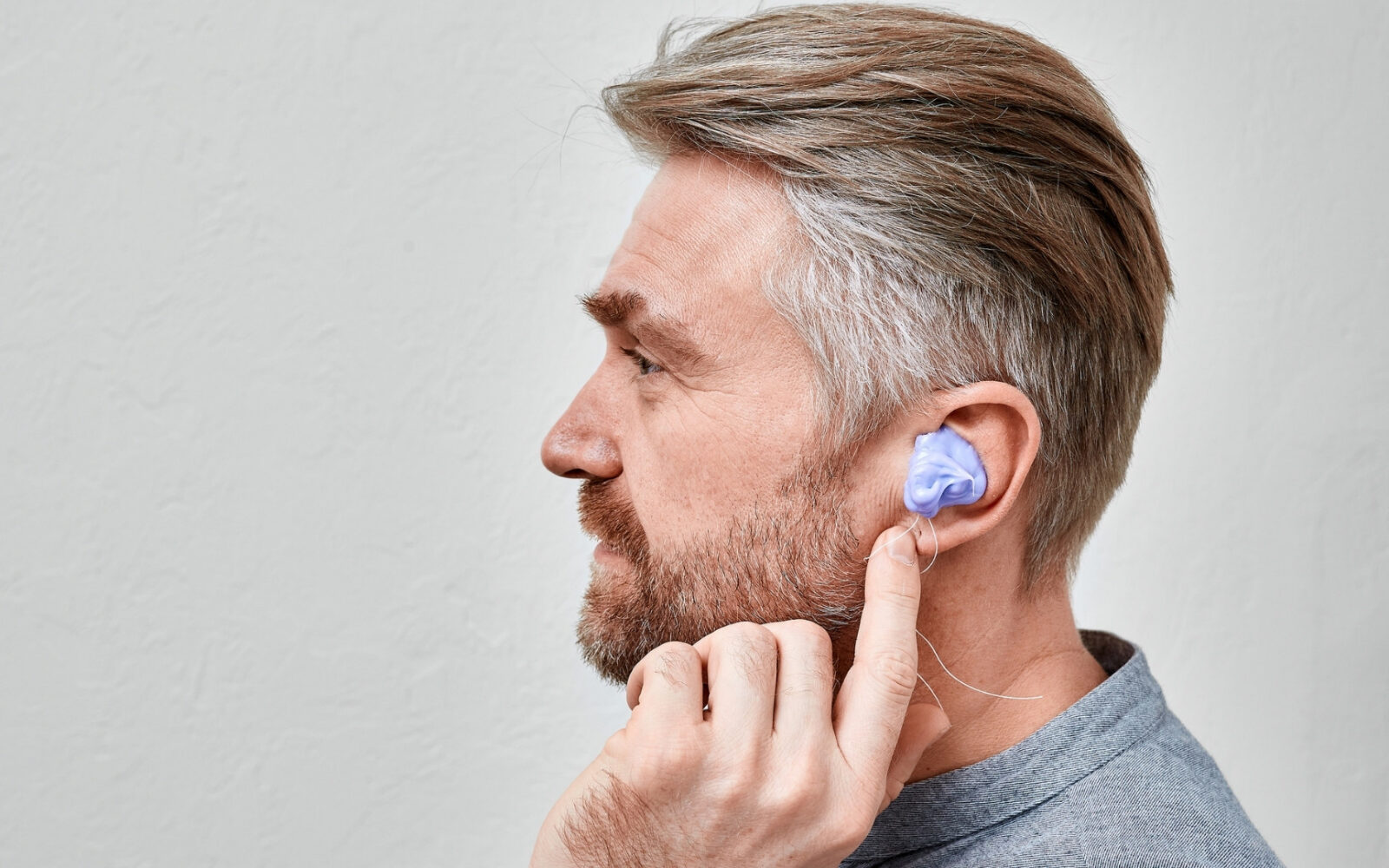
Starting to use new hearing devices is an exciting time that often begins with a period of physical adjustment. This window of time allows a person to wear the devices in real-world settings, like at home or work. It is a chance to see how the world sounds again and to decide if the model feels comfortable.

This period is a helpful bridge that turns a new experience into a normal part of a healthy daily life. Staying patient during the first week allows the mind to adjust to this new way of picking up sound.

The First Few Days of New Sound

The initial days with a device can feel strange because the brain is receiving sounds it has missed for years. Everyday noises like a refrigerator hum or footsteps on a floor can seem surprisingly loud or sharp at first for some. This happens because the brain needs time to relearn which sounds are important and which should stay in the background.

Starting by wearing the devices in a quiet home environment helps the mind sort through this information without feeling overwhelmed by noise. Gradual exposure to sound is a smart way to build a strong foundation for long-term success.

Adjusting to the Physical Ear Fit

Wearing something new in or behind the ear takes time, much like wearing a new pair of glasses or jewelry. At the start, it is important to notice how the devices feel after several hours to ensure there is no soreness. A person might feel a bit of fullness in the canal, but this sensation usually fades.

If something feels off, a hearing health professional can make a small change to make the fit feel exactly right. Ensuring the physical comfort of the device makes it much more likely that a person will wear it.

Testing Technology in Different Places

A key part of the adjustment is taking the devices into many different environments to see how they handle noise. A person should try them out while watching a show, talking on the phone, or sitting in a quiet park. It is also helpful to see how they perform in a loud restaurant where many people talk.

Testing in these common situations provides a clear picture of how the technology supports communication during a busy week of work. This real-world practice helps a person gain confidence and feel more connected to the people nearby.

Keeping Track of Your Listening Experiences

Writing down notes about when the hearing feels great and when it feels difficult is a smart way to learn. If a sound seems too sharp or if voices are still muffled, these details help a hearing health professional adjust the hearing aid settings. Having a list of specific moments to discuss makes the follow-up visit much more productive for the patient.

Small tweaks are a normal part of the process and ensure that the final result is matched to unique needs. Tracking progress allows a person to see how far they have come in a very short amount of time.

The Role of the Brain in Learning

It is important to remember that hearing happens in the brain, and the first few weeks are training for the mind. The devices provide the signal, but the brain does the work of sorting through information and making sense of speech. This learning process can take time, so wearing the devices as much as possible is best.

The more the brain hears, the faster it becomes at processing sound with less effort, which makes every conversation feel natural. Persistence is the key to unlocking the full potential of new technology and staying sharp for years.

Partnering With a Hearing Health Professional Today

At the end of the first month, a person should feel a significant difference in how they connect with others. If the experience has been positive, the devices become a permanent part of a plan for an active and social life. If changes are needed, a hearing health professional can look at other options or settings.

Visit our hearing health clinic today to start a trial that will open up a world of crisp and beautiful sound. Take a bold step toward a better life by scheduling your next evaluation and joining the conversation with confidence.