Hearing is an important part of how people experience the world around them. For young children, it is also the primary way they learn to communicate with others. When a child has hearing loss, it can significantly affect their ability to develop proper speech and language skills. Understanding these milestones helps parents, teachers, and caregivers know exactly what to look for and when they should seek professional help.

Early detection is essential for providing the right support. When one pays close attention to how a child interacts with sound, they can identify potential issues long before they become major obstacles. This proactive approach ensures that every child has the best possible foundation for learning, socializing, and thriving in their environment.

The Critical Link Between Hearing and Speech

Children learn to speak by imitating the sounds they hear in their daily lives. From the moment they are born, babies are constantly listening to the voices of their parents, their siblings, and the general noise of their environment. This constant exposure to sound trains their developing brains to recognize different tones, pitches, and individual words. If a child cannot hear clearly, they miss out on this vital acoustic information. Consequently, their brain does not receive the clear input needed to map out language accurately.

This lack of auditory input can lead to noticeable delays in speaking. It is not just about the overall volume of sound. Hearing involves distinguishing between very similar auditory cues. For example, the difference between the words “cat” and “bat” relies entirely on hearing the subtle variation at the beginning of the word. If a child’s hearing is compromised, these subtle differences are lost, making language acquisition a confusing and frustrating process.

Early Milestones in the First Year

The first twelve months of a child’s life are packed with rapid physical and mental development. Even before they can say their first actual word, babies are communicating with the world. A baby with normal hearing will typically reach several important developmental markers during this time.

  • From birth to three months of age, infants will generally startle at loud noises and quiet down when they are spoken to directly.
  • Between four and six months, they begin to babble, making repetitive sounds like “baba” or “gaga,” and they will naturally turn their eyes or head toward the source of a new sound.
  • By seven to twelve months, they start to respond to their own name being called and begin to understand common, everyday words like “no” or “bye-bye.”

When a baby cannot hear their own voice clearly, their babbling may decrease over time or sound entirely monotonous. This is a warning sign that their internal auditory feedback loop is not functioning correctly.

Toddler Milestones and Vocabulary Growth

As children enter their toddler years, their language skills should expand dramatically. Between the ages of one and two, children usually begin to say their first clear and purposeful words. They also start pointing to pictures in books when those objects are named and begin following simple commands from adults.

If a child has a hearing impairment, this period of explosive vocabulary growth might be severely delayed. Because they cannot express themselves clearly, toddlers with undetected hearing issues often exhibit frustration or behavioral problems. Recognizing these signs is vital for early intervention. If you are concerned about your child’s auditory development, learning more about different conditions is a great first step.

Preschool Milestones and Clear Articulation

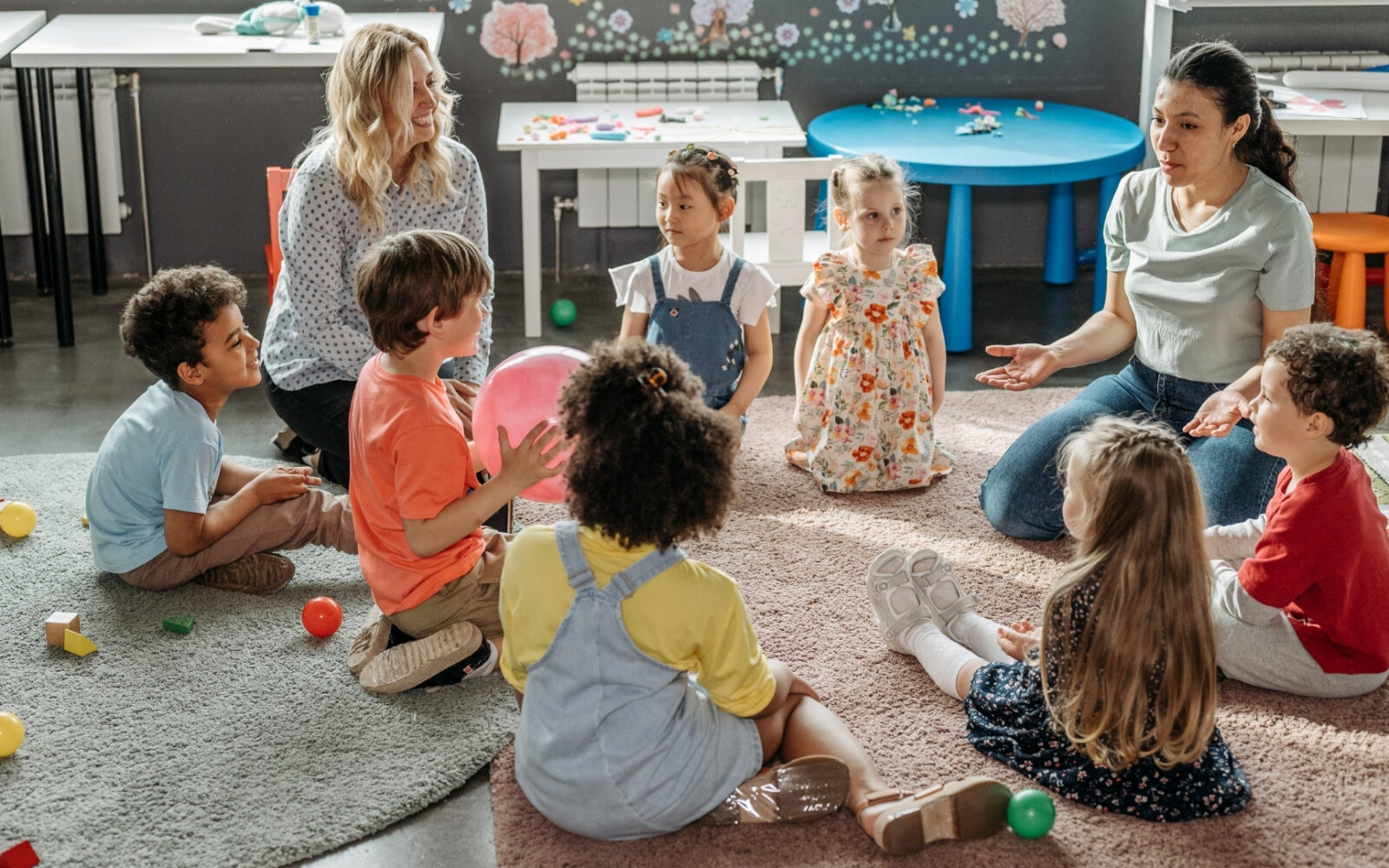
Between the ages of three and five, a child’s speech becomes much more complex and refined. They start speaking in longer sentences, asking constant questions, and telling simple stories about their day. They also learn to pronounce a wider variety of consonants and vowels correctly.

Hearing loss can make it particularly hard for children to hear high-pitched sounds, such as the letters “s,” “sh,” “f,” and “th.” As a result, they might omit these specific sounds entirely from their speech, which significantly affects their overall conversational clarity.

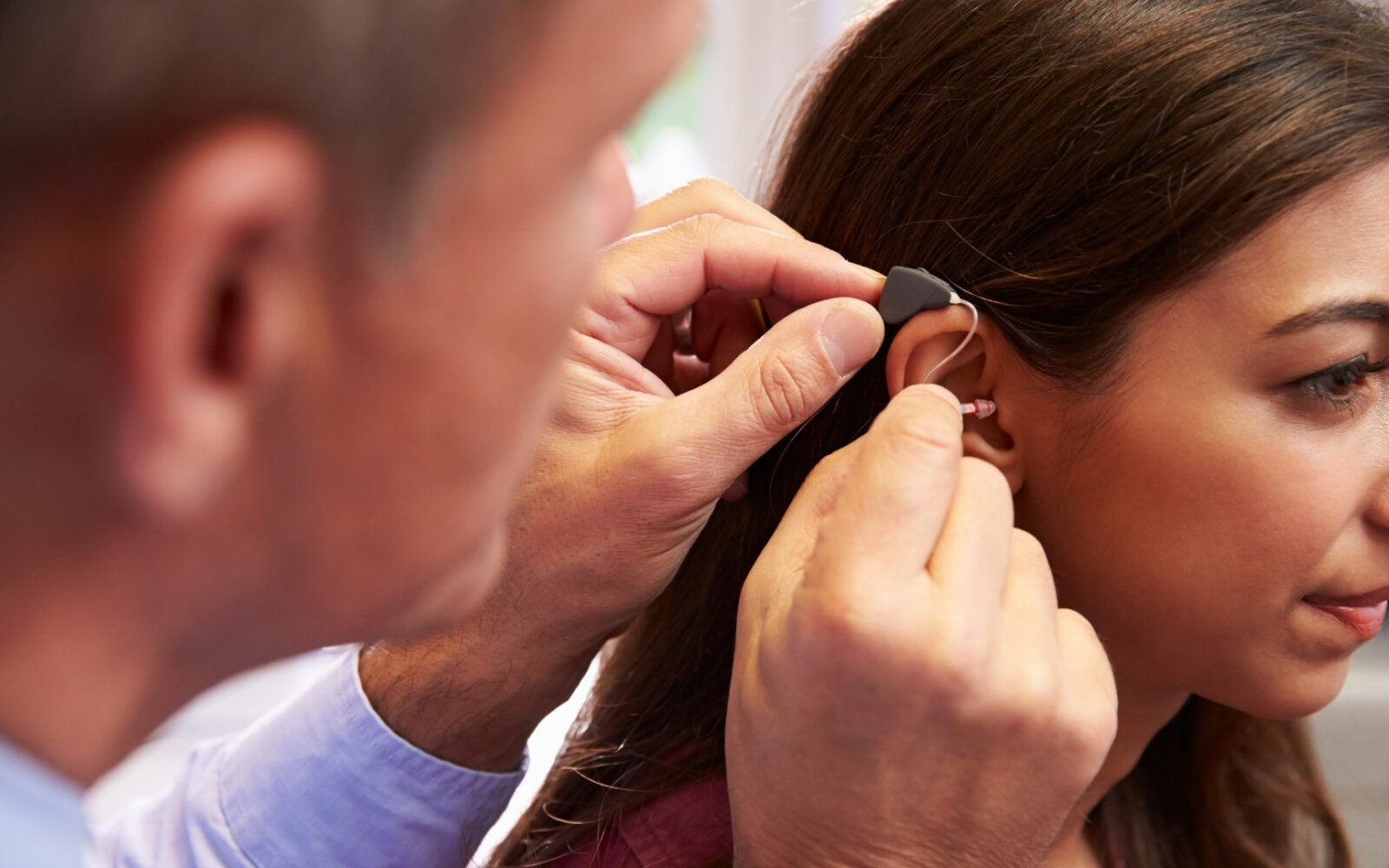
If peers cannot understand them, the child might withdraw or become hesitant to participate in group activities. For a proper assessment of a child’s auditory health, a professional evaluation is absolutely necessary.

The Importance of Early Intervention

The impact of hearing loss on speech development can be significant, but it is certainly not insurmountable. By monitoring milestones closely and seeking timely help, caregivers can ensure every child has the opportunity to find their voice and communicate confidently.