Smart home technology has changed the way many people manage daily life. Devices such as voice assistants, wireless speakers, smart doorbells, and automated televisions now help households stay connected and organized. For individuals with hearing loss, smart home audio systems can also provide important hearing support and improve communication at home.

Understanding how smart home audio systems support hearing health can help people make the most of technology that improves everyday life.

What Is Smart Home Audio Automation?

Smart home audio automation refers to devices and systems that automatically manage sound and communication within the home. These systems often connect through wireless internet and can be controlled using smartphones, tablets, or voice assistants.

Examples of smart home audio technology include:

  • Smart speakers
  • Voice assistants
  • Wireless television streaming
  • Smart doorbells
  • Automated alarms and notifications

Many systems allow users to customize sound settings and receive alerts in ways that best match their hearing needs. For individuals with hearing loss, these technologies may improve communication and make important sounds easier to recognize throughout the home.

Improved Television and Media Listening

Listening to television can be difficult for many people with hearing loss. Background music, fast speech, and sound effects often make dialogue hard to understand. This may lead to frustration for both the individual and other family members because the television volume continues to increase.

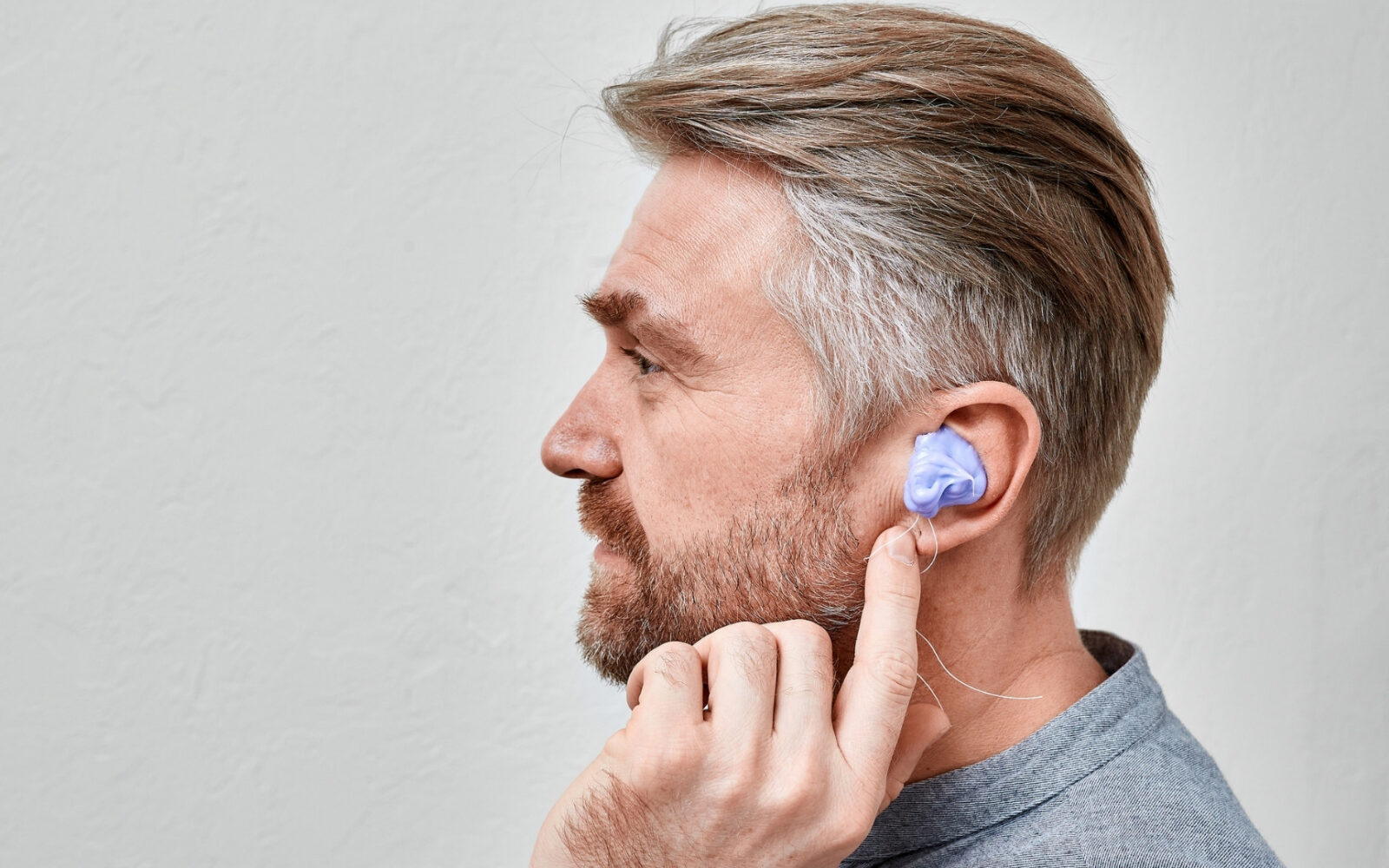
Smart home audio systems can improve television listening by sending sound directly to hearing devices or wireless speakers placed closer to the listener. Many hearing aids now connect directly to televisions through Bluetooth or wireless streaming accessories. This allows users to hear television audio more clearly without increasing volume for everyone else in the room.

Voice Assistants and Daily Communication

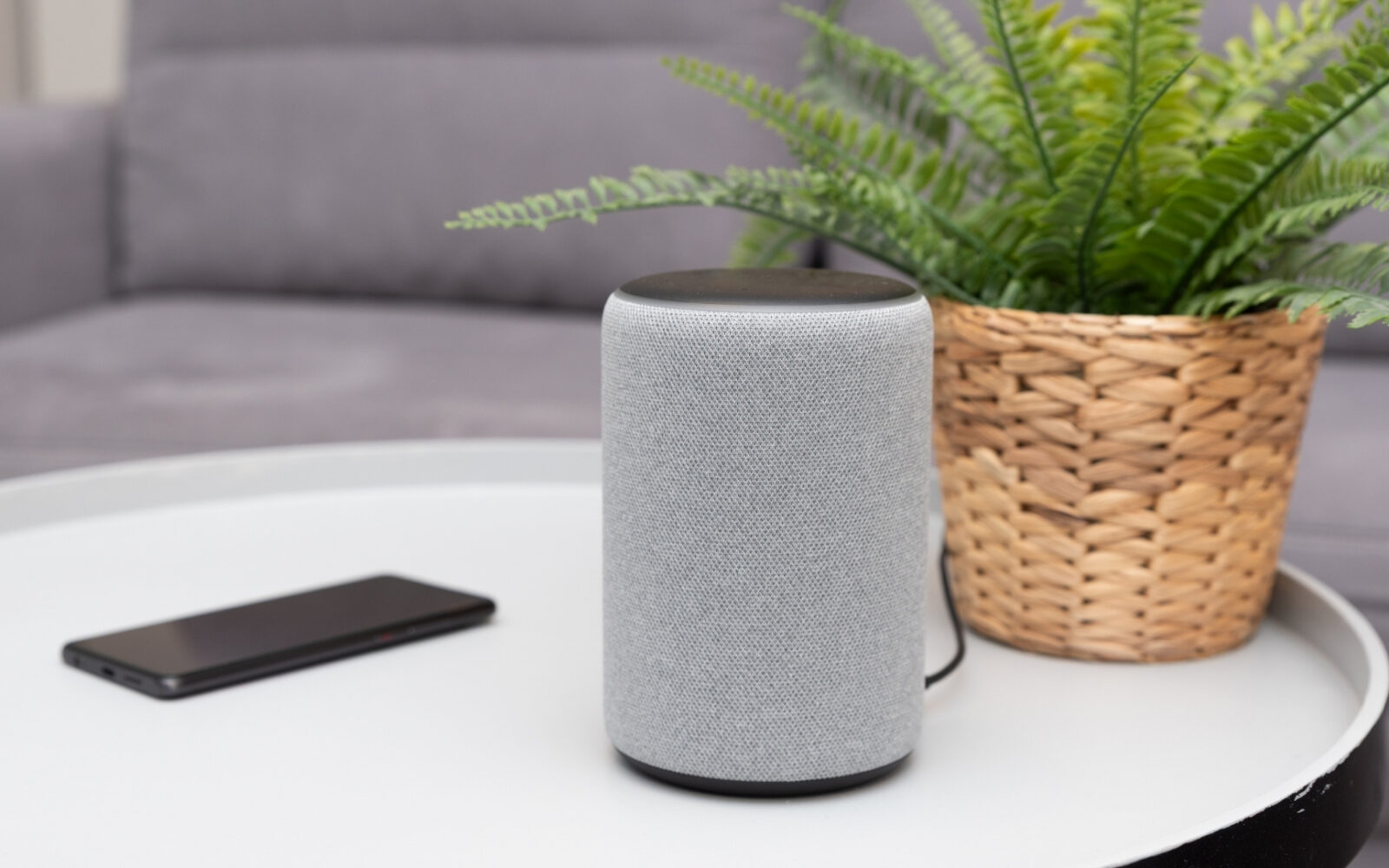
Voice assistants such as smart speakers can also support people with hearing loss. These systems allow users to control lights, alarms, calendars, and reminders using voice commands.

Voice assistants may help by:

  • Providing spoken reminders
  • Announcing incoming calls
  • Reading messages aloud
  • Giving weather and news updates

Some systems also allow users to adjust sound settings or repeat information if needed. For individuals who struggle to hear traditional alarms or notifications, voice assistants can provide added convenience and support throughout the day.

Smart Alerts for Safety and Awareness

Safety is another important benefit of smart home technology. Traditional alarms and doorbells may be difficult for people with hearing loss to hear, especially when they are in another room. Smart home systems can provide visual notifications, smartphone alerts, or vibration features that improve awareness and safety.

Helpful smart alert systems may include:

  • Flashing doorbell notifications
  • Smartphone security alerts
  • Smoke alarm notifications
  • Motion sensor alerts

These features may help individuals respond more quickly to visitors, emergencies, or important household events. We can provide guidance for those individuals looking to use new technology to address their hearing health concerns.

Smart Home Benefits for Older Adults

Many older adults benefit from smart home hearing support because it improves independence and communication. Automated reminders, amplified sound systems, and connected hearing devices may help individuals continue managing daily routines more confidently.

Family members may also feel more reassured knowing that loved ones can receive emergency alerts, communication notifications, and safety reminders more easily.

Smart technology does not replace professional hearing care, but it can work alongside hearing devices and communication strategies to improve quality of life.

The Importance of Professional Hearing Support

Although smart home systems offer many helpful features, professional hearing care remains essential. Hearing evaluations help determine the type and degree of hearing loss and guide individuals toward the most appropriate technology options.

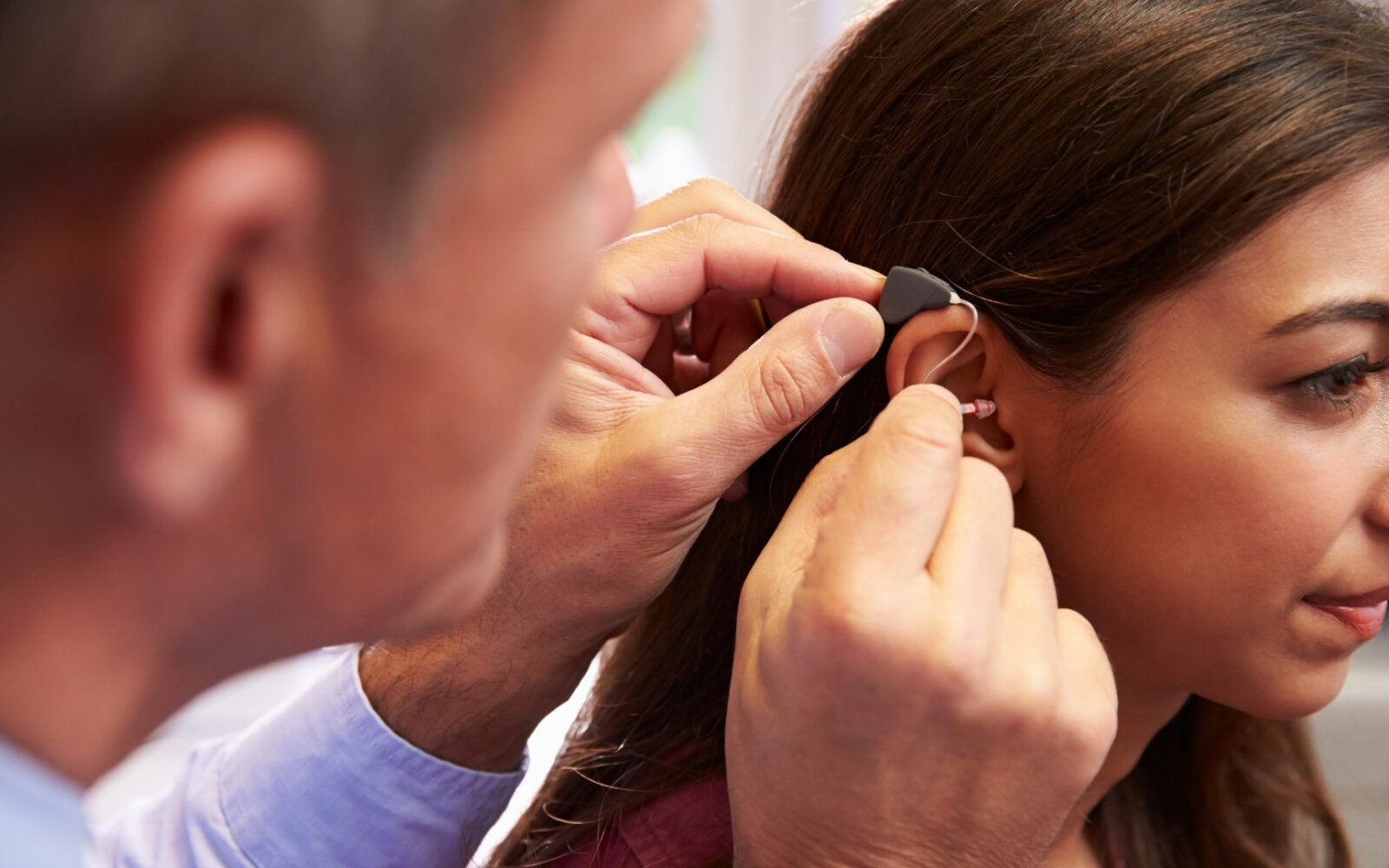
Hearing health professionals can also recommend hearing devices that work well with wireless streaming and smart home systems. Regular hearing evaluations help ensure individuals continue receiving the support they need as their hearing needs change over time.

Conclusion

Smart home audio automation is changing the way people with hearing loss experience communication, entertainment, and safety at home. Wireless streaming, voice assistants, smart alerts, and connected hearing devices can all improve daily living and reduce listening challenges.