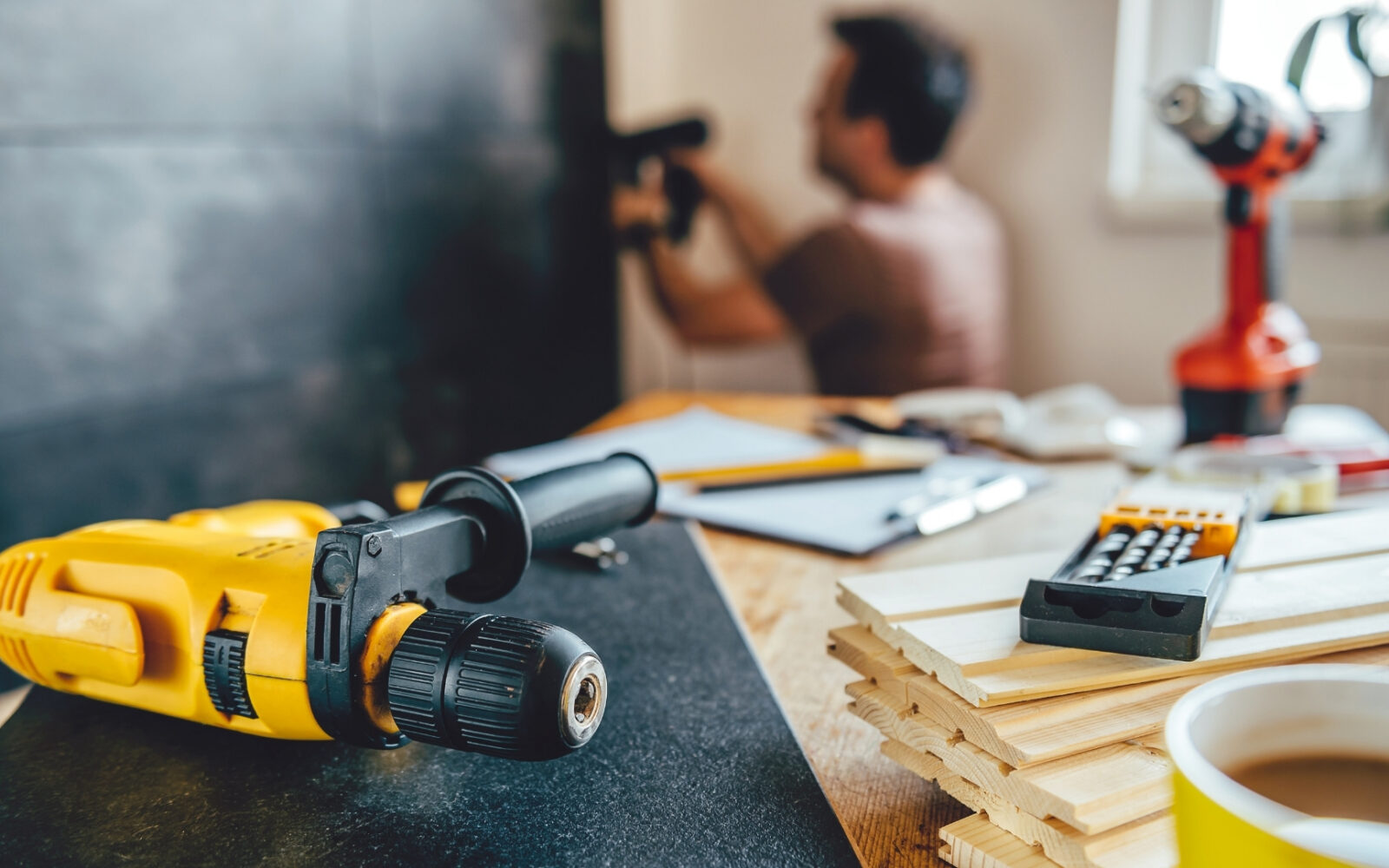
Home renovation projects are exciting opportunities to improve living spaces. Many homeowners enjoy upgrading kitchens, remodeling bathrooms, or building outdoor decks. These projects can increase comfort and property value. However, renovation work often involves loud tools and equipment that may pose risks to hearing health.

Many people focus on safety concerns such as dust, falling objects, or electrical hazards. Hearing protection is often overlooked. Yet many renovation tools produce noise levels high enough to damage hearing with repeated exposure.

Understanding these risks can help homeowners and contractors take simple steps to protect their hearing during renovation projects.

Why Renovation Work Can Be Loud

Construction and renovation tools are designed to cut, drill, and shape hard materials such as wood, tile, concrete, and metal. These tasks require powerful motors and high-speed moving parts. As a result, many tools produce significant noise.

Common renovation tools that generate loud sounds include:

  • Power drills and impact drivers
  • Circular saws and table saws
  • Nail guns and hammer drills
  • Sanding machines and grinders

Some of these tools can produce sound levels above 90 decibels. Prolonged exposure to noise above this level may increase the risk of noise-related hearing damage.

Noise risk increases when several tools operate simultaneously in enclosed spaces, such as garages or small rooms. Hard surfaces may reflect sound waves, making the environment even louder.

How Loud Noise Affects Hearing

Inside the inner ear are tiny sensory cells called hair cells. These cells detect sound vibrations and convert them into electrical signals that travel to the brain. The brain then interprets these signals as speech, music, or environmental sounds.

When the ear is exposed to very loud noise, these hair cells may become damaged. Over time, repeated exposure can cause permanent hearing changes.

Noise-related hearing damage often develops slowly. A person may not notice early symptoms until communication becomes more difficult.

Common signs of hearing strain may include:

  • Ringing or buzzing in the ears after using power tools
  • Muffled hearing after working in noisy areas
  • Difficulty understanding speech in busy environments

Recognizing these warning signs early allows individuals to take action to protect their hearing.

The Importance of Hearing Protection

Hearing protection is one of the most effective ways to reduce noise exposure during renovation work. Protective devices lower the amount of sound that reaches the inner ear. Two common types of hearing protection include foam earplugs and protective earmuffs. Both options are widely available and easy to use.

Earplugs fit inside the ear canal and block a portion of incoming sound waves. Earmuffs cover the entire ear and create a barrier against loud noise. Some individuals choose to wear both earplugs and earmuffs when working with extremely loud tools. This approach provides an extra layer of protection.

Planning for Safe Renovation Work

Planning ahead can also help reduce noise exposure. Limiting the time spent around loud tools can reduce overall sound exposure during a project. Homeowners can also schedule tasks so that the loudest activities occur for shorter periods rather than throughout the day.

Other helpful safety practices include:

  • Working in well-ventilated spaces to reduce sound reflection
  • Keeping tools properly maintained to prevent unnecessary noise
  • Taking regular breaks from noisy environments

These strategies help reduce strain on the auditory system during renovation projects.

Monitoring Hearing Health

Individuals who frequently work with power tools should consider regularly monitoring their hearing health. Hearing evaluations provide valuable information about how well a person hears different sounds.

These tests are painless and typically take less than an hour. They help identify early hearing changes that may not yet be noticeable in daily life.

When Hearing Support May Be Needed

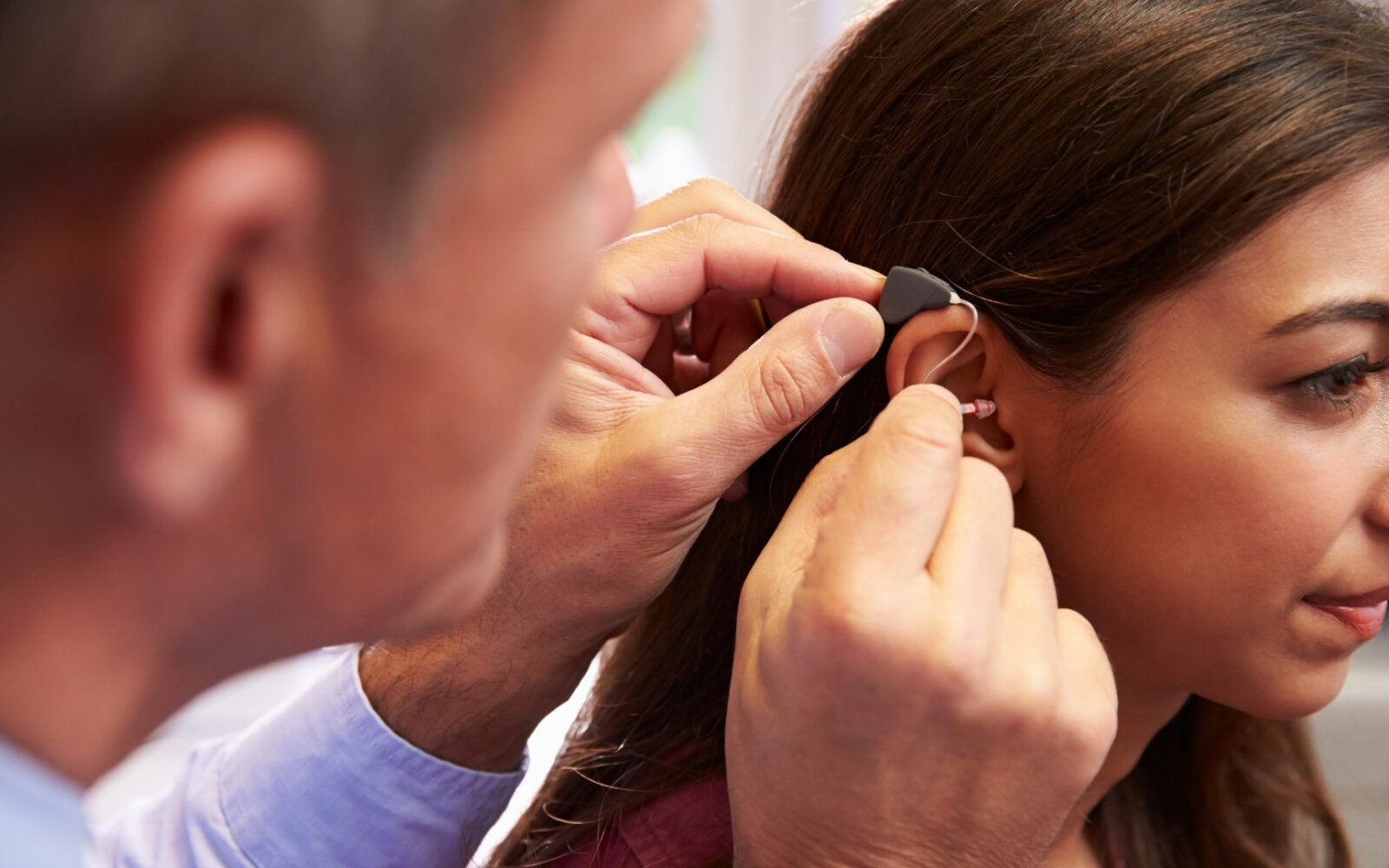
If hearing changes occur over time, professional hearing care can help restore comfort in communication. Modern hearing technology can amplify speech while reducing background noise in many environments. Hearing professionals can evaluate listening needs and recommend solutions designed to improve daily communication.

Protecting Hearing During Home Projects

Home renovation projects can be rewarding and productive. With proper planning and hearing protection, individuals can complete these tasks safely. By understanding the risks of loud tools and practicing safe listening habits and using hearing protection, homeowners can protect their hearing while improving their homes.