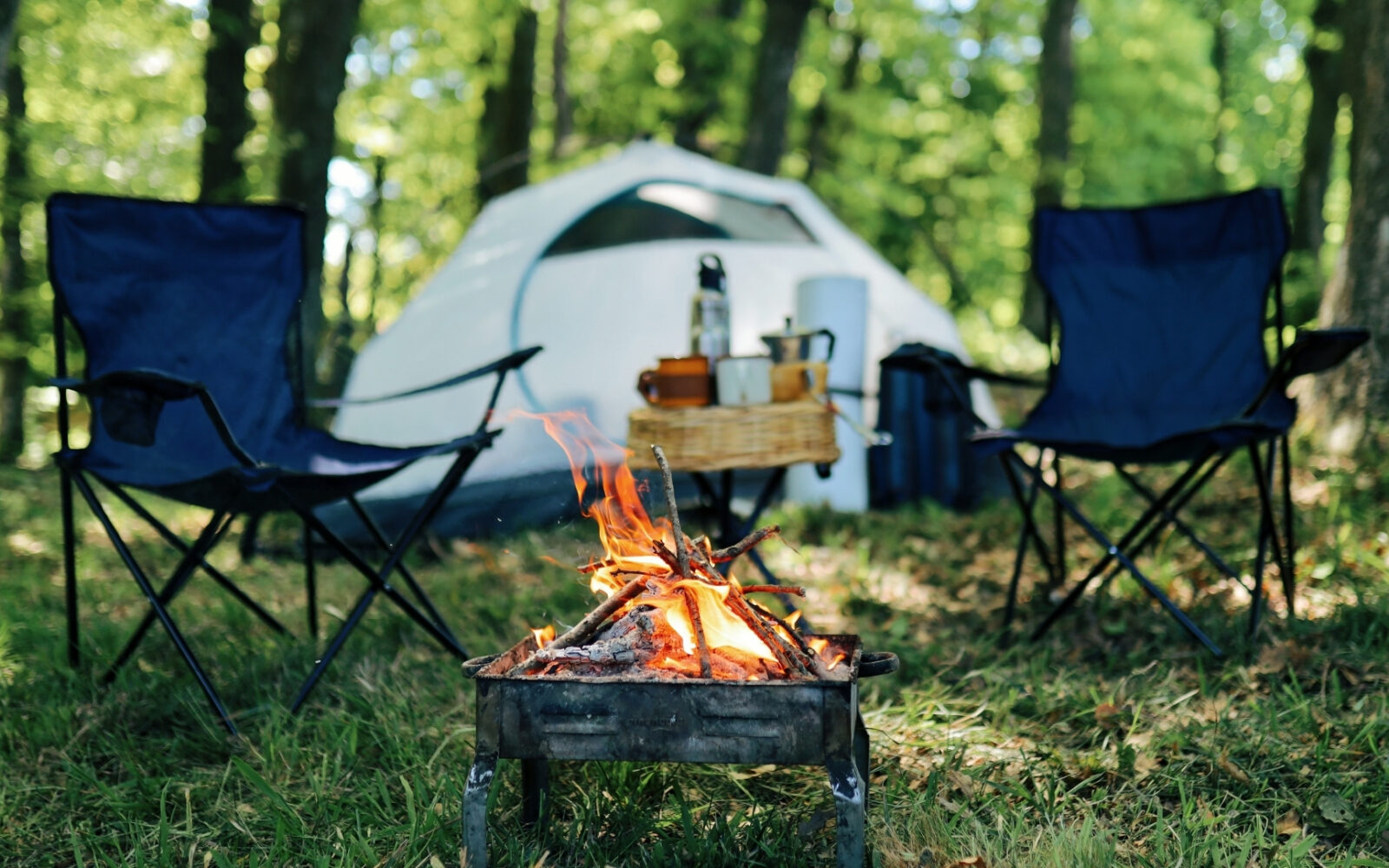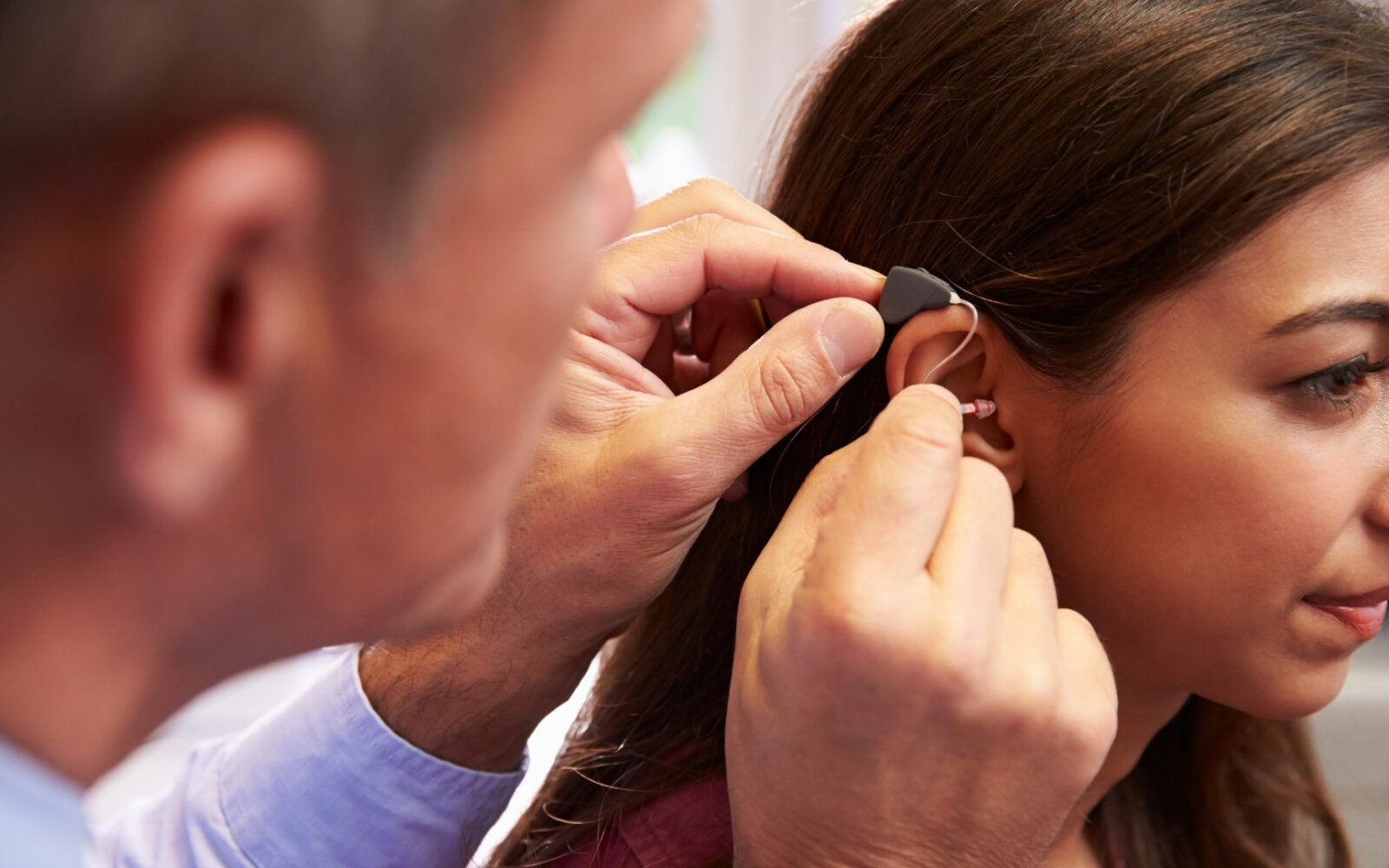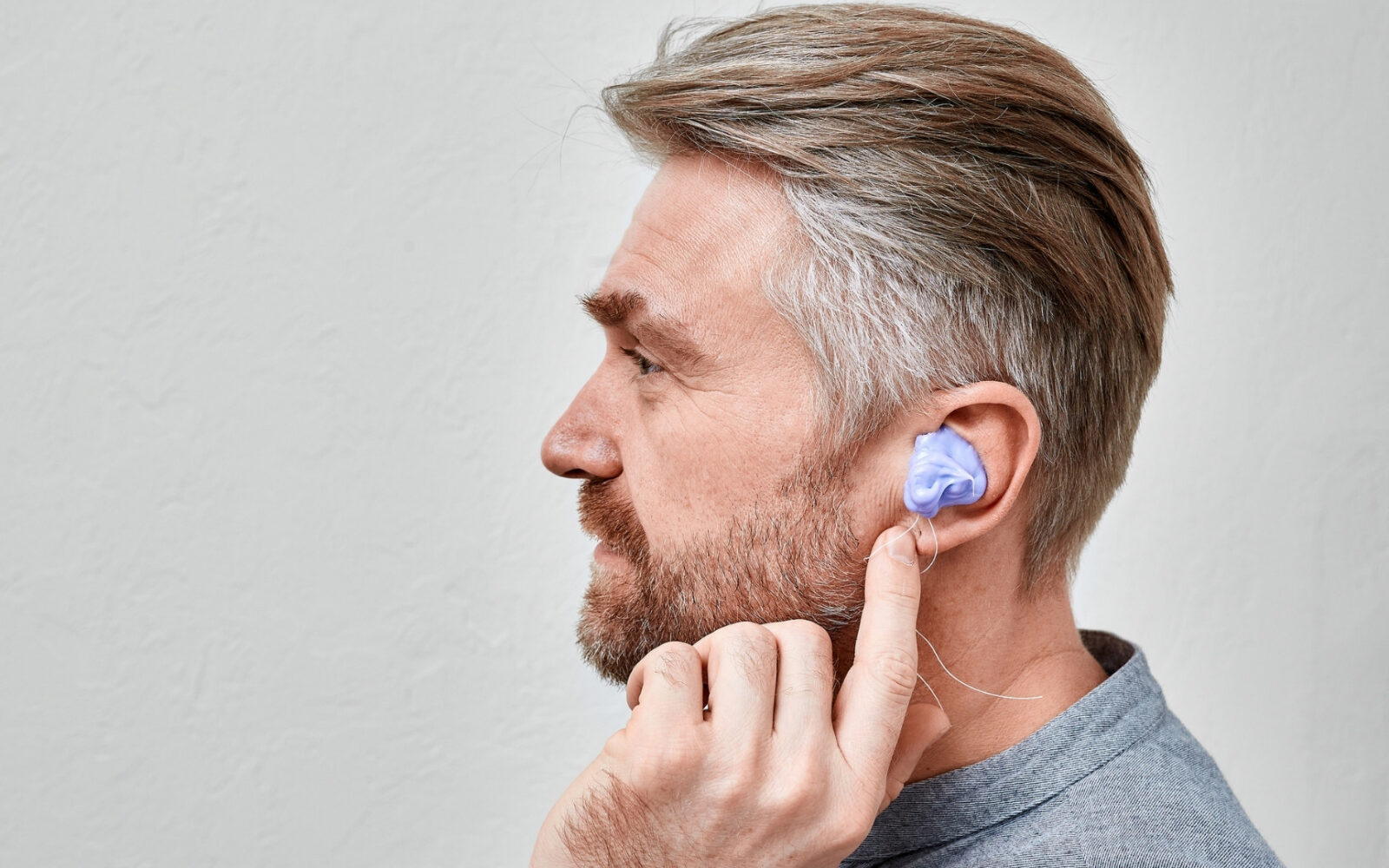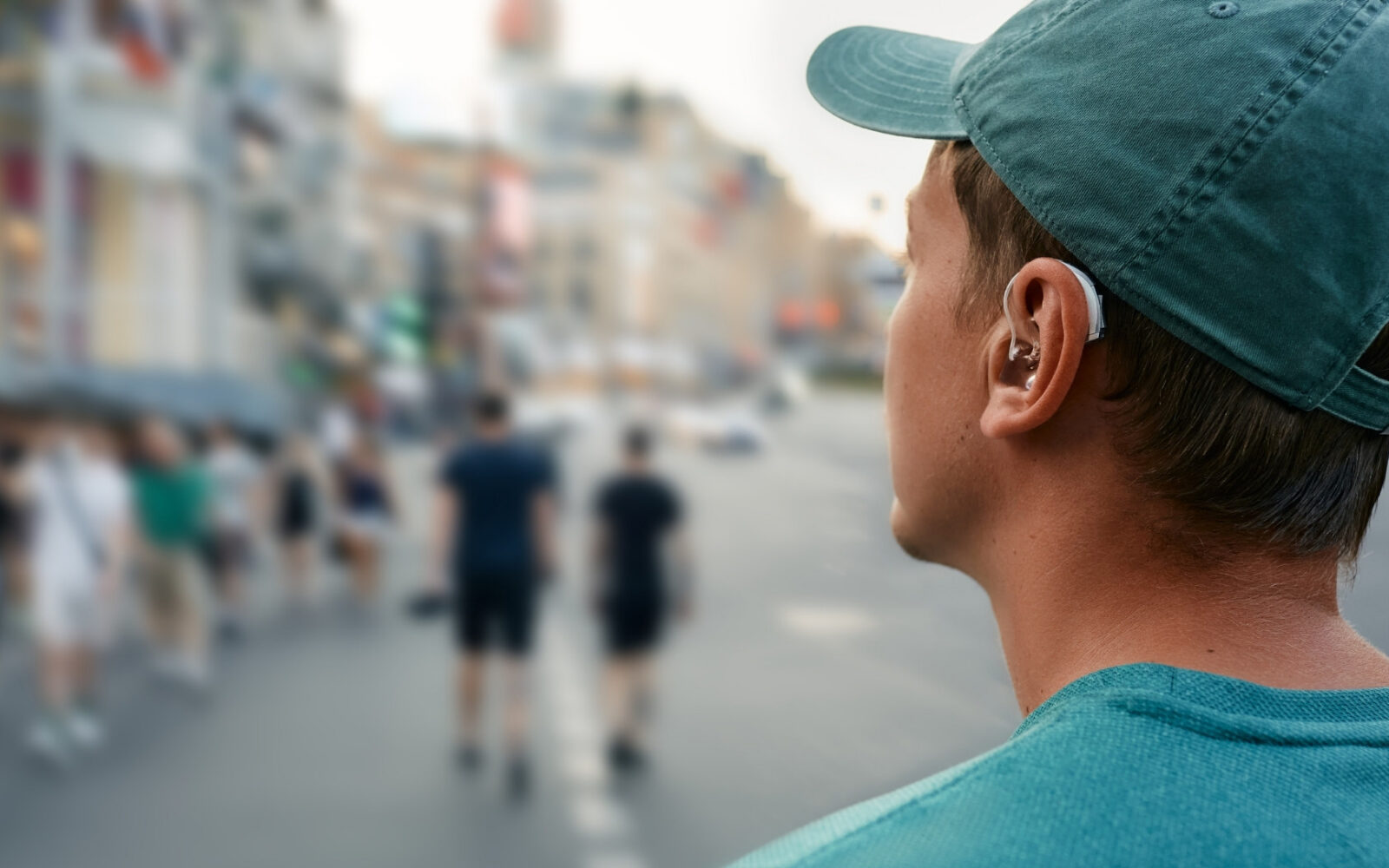
Camping allows people to enjoy nature, relax outdoors, and spend time away from busy daily routines. Whether staying in a tent, cabin, or recreational vehicle, camping trips often include hiking, fishing, campfires, and outdoor adventures. For individuals who wear hearing aids, spending time outdoors can also pose unique challenges in protecting and maintaining their devices.

Hearing aids are valuable electronic devices that require proper care, especially in outdoor environments where dirt, moisture, heat, and dust are more common. Without the right precautions, camping conditions may affect hearing aid performance or even damage the devices.

Fortunately, careful planning and simple maintenance habits can help hearing aid users enjoy camping trips while keeping their devices safe and functioning properly.

Why Outdoor Conditions Affect Hearing Aids

Hearing aids are designed to support communication in many different environments, but outdoor conditions may place extra stress on them. Camping often involves weather changes, humidity, sweat, dirt, and exposure to water, all of which can affect sensitive hearing aid components.

Moisture is one of the most common causes of hearing aid problems during outdoor activities. Sweat, rain, and humidity can enter small openings in the devices and interfere with sound quality or battery performance.

Dust and debris may also collect inside hearing aids during hiking or campsite activities. If dirt blocks microphones or openings, sounds may become distorted or unclear. Before leaving on your camping trip, consider having a hearing health professional clean your hearing aids.

Preparing Before the Camping Trip

Preparation is important before leaving for any outdoor adventure. Hearing aid users should inspect their devices carefully to make sure everything is working properly before departure. It is also helpful to pack extra supplies in case problems occur while away from home.

Important hearing aid camping supplies may include:

  • Extra batteries or charging equipment
  • Cleaning tools
  • A protective storage case
  • A drying container or dehumidifier

Travelers using rechargeable hearing aids should ensure they have reliable charging options at the campsite. Portable battery packs or backup charging equipment may be useful during longer trips.

Protecting Hearing Aids from Moisture

Moisture control is one of the most important parts of hearing aid care during camping trips. Even small amounts of moisture can interfere with microphones, speakers, or battery contacts. Hearing aids should be removed before swimming, showering, or participating in water activities. During rainy weather, hats or waterproof coverings may help reduce exposure to moisture.

At night, hearing aids should be stored in a dry container rather than left outside or near damp surfaces. Many hearing aid users also benefit from overnight drying kits that help remove moisture buildup from the devices. Taking these simple precautions may help extend the performance of hearing aids during outdoor travel.

Keeping Hearing Aids Clean Outdoors

Camping environments often expose hearing aids to dust, dirt, and smoke from campfires. Regular cleaning helps prevent buildup that may interfere with sound quality. Cleaning hearing aids daily during camping trips is recommended. A soft cloth or hearing aid cleaning brush can help remove debris safely.

Users should avoid placing hearing aids directly on picnic tables, rocks, or other outdoor surfaces where dirt may enter the device openings. Good cleaning habits may help reduce the need for repairs after returning home.

Managing Batteries and Power Sources

Battery management becomes especially important during extended camping trips. Disposable hearing aid batteries should be stored in a cool, dry place away from direct sunlight or excessive heat.

For rechargeable hearing aids, users should confirm that the charging equipment works properly before leaving home. Campers staying in remote locations may need backup power options if electricity is limited.

Helpful battery management tips include:

  • Carry extra batteries in waterproof containers
  • Keep chargers protected from dirt and moisture
  • Turn hearing aids off when not in use
  • Avoid exposing batteries to extreme temperatures

These precautions may help prevent unexpected hearing aid problems during outdoor activities.

Staying Safe While Camping

Hearing aids often help users remain aware of important environmental sounds while camping. Hearing clearly may improve safety by helping individuals notice weather changes, wildlife, emergency alerts, and others’ communication.

People with hearing loss may also benefit from camping with companions who understand their communication needs. Good communication strategies can help avoid misunderstandings during outdoor activities.

Conclusion

Camping trips offer relaxation, adventure, and valuable time outdoors, but they also expose hearing aids to challenging conditions, including moisture, dust, and temperature fluctuations.

With proper preparation and daily maintenance, hearing aid users can protect their devices and continue enjoying clear communication during outdoor activities.