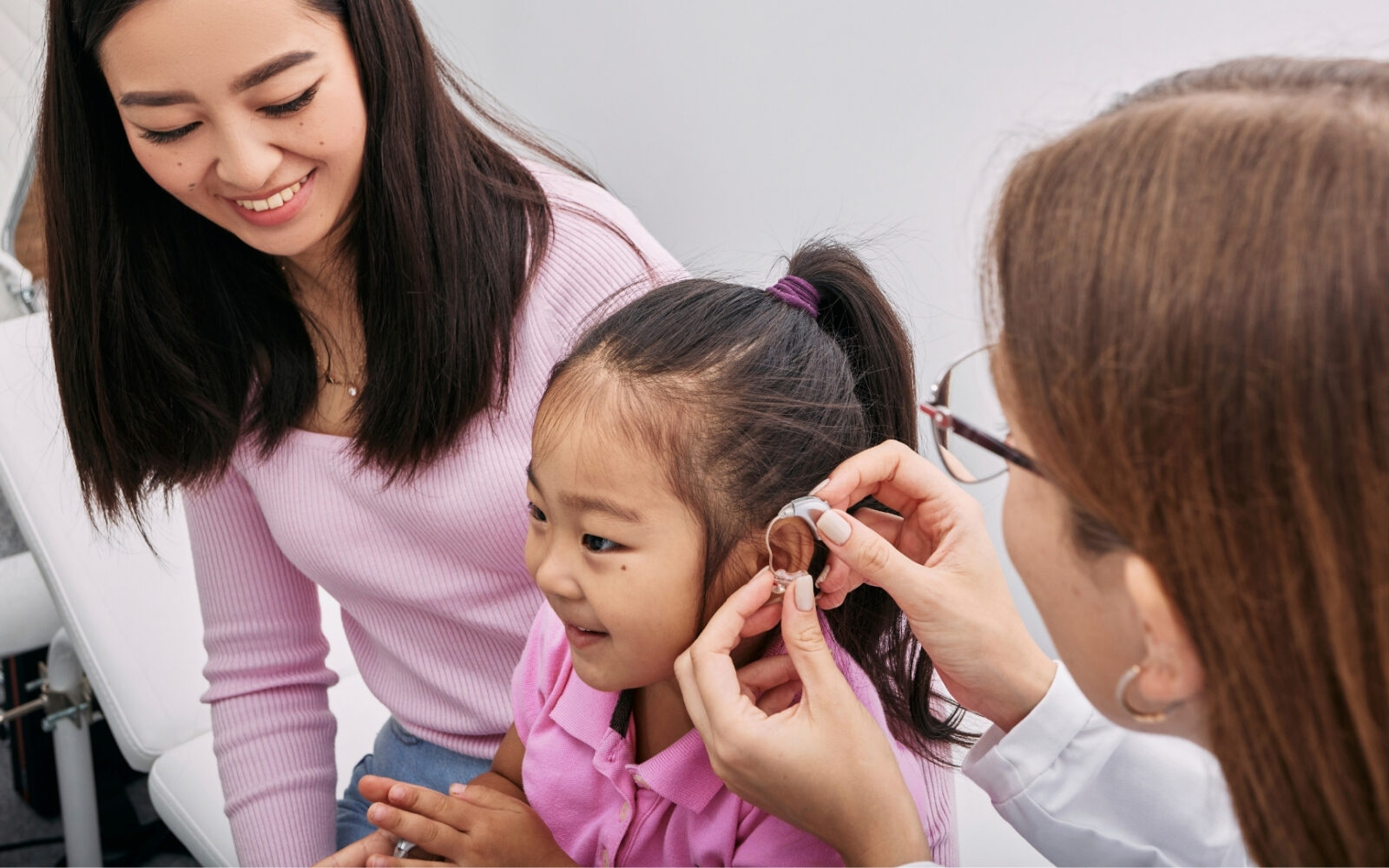
When a child is diagnosed with hearing loss, it can be an emotional and uncertain time for families. Parents often want to do everything they can to support their child’s development and well-being. Hearing aids play an important role in helping children hear more clearly, communicate effectively, and succeed in school and social settings. However, adjusting to wearing hearing aids can take time. With patience, encouragement, and the right strategies, children can learn to feel comfortable and confident using their devices.

Understanding the Adjustment Process

For many children, hearing aids introduce a completely new way of experiencing sound. Sounds that were once faint or unnoticed may suddenly become clear and noticeable. This can feel overwhelming at first. Some children may react with curiosity, while others may feel unsure or even resistant.

It is important to understand that this adjustment period is normal. The brain needs time to process new sounds, and children need time to get used to wearing something in or on their ears. This process can take days, weeks, or even longer, depending on the child.

Parents should remain patient and avoid forcing immediate full-time use. A gradual approach often works best and helps build comfort over time. It’s important to also realize that it may take several adjustments to get the hearing aids to feel comfortable.

Creating a Positive and Supportive Environment

A positive environment can make a big difference in how a child responds to hearing aids. Children often look to their parents and caregivers for reassurance. When adults show confidence and encouragement, children are more likely to feel the same way.

Helpful strategies include:

  • Start with short periods of wearing the hearing aids and slowly increase the time
  • Offer praise and encouragement each time the child wears the devices
  • Make hearing aids part of the daily routine, such as putting them on in the morning
  • Use simple and reassuring language when explaining their purpose

Consistency is very important. When hearing aids become part of everyday life, children are more likely to accept them as normal.

Ensuring Comfort and Proper Fit

Comfort plays a key role in helping children adjust. If hearing aids do not fit properly, they can cause irritation or discomfort. This may lead to frustration or refusal to wear them.

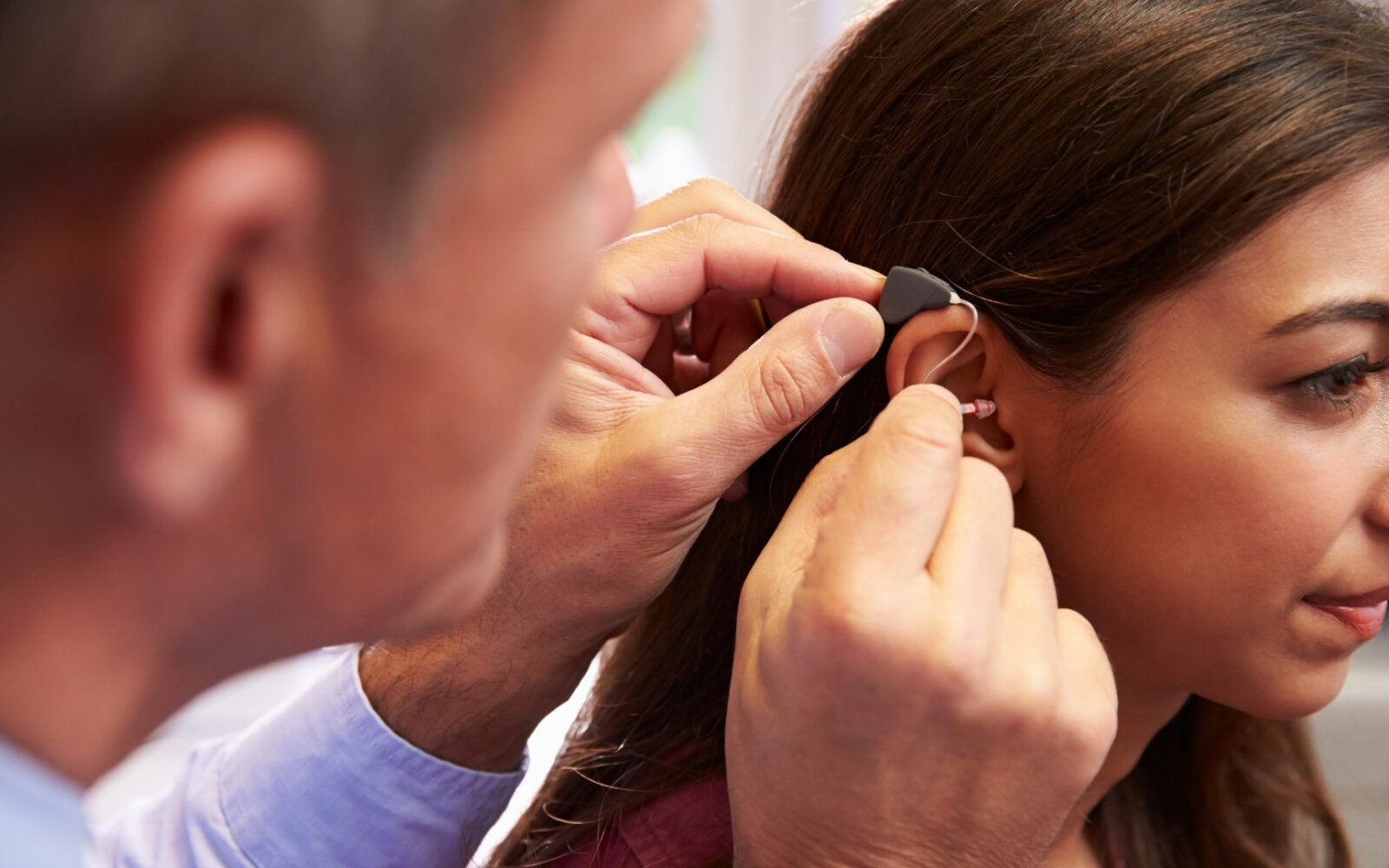
Parents should watch for signs such as redness, soreness, or frequent removal of the hearing aids. These may indicate that adjustments are needed. Regular visits with a hearing professional can help ensure the devices fit correctly and function as intended.

As children grow, their ears change shape and size. This means hearing aids may need to be adjusted or replaced over time. Keeping up with regular appointments helps maintain comfort and performance.

Encouraging Confidence and Independence

Building confidence is an important part of helping children succeed with hearing aids. Children should feel proud of using their devices and understand that they are tools that help them hear better.

Parents can support confidence by:

  • Teaching children how to care for their hearing aids
  • Encouraging them to wear the devices during school and social activities
  • Helping them explain their hearing aids to friends or classmates

When children feel comfortable talking about their hearing aids, they are less likely to feel self-conscious. This can improve both social interactions and overall confidence.

Working with Professionals and Educators

Support from professionals is essential during the adjustment process. Hearing specialists can monitor the child’s progress, make necessary adjustments, and answer questions. Teachers and school staff also play an important role in supporting the child’s learning experience.

Good communication between parents, educators, and hearing professionals helps ensure that the child receives consistent support in all environments. This teamwork can make a significant difference in the child’s success.

Supporting Long-Term Success

Adjusting to hearing aids is not a one-time process. It requires ongoing attention and encouragement. As children grow, their needs may change, and their hearing aids may need adjustments.

Parents can support long-term success by checking in regularly with their child and addressing any concerns. Celebrating small achievements can help build motivation and confidence. Over time, wearing hearing aids will become a natural part of the child’s routine.

It is also helpful to create open communication. Children should feel comfortable sharing how they feel about their hearing aids. Listening to their concerns and responding with understanding can strengthen trust and improve the overall experience.

Conclusion

Helping a child adjust to wearing hearing aids takes time, patience, and support. By creating a positive environment, ensuring comfort, and working with professionals, families can help children succeed. Hearing aids provide important benefits that support communication, learning, and social development. With the right approach, children can gain confidence and enjoy a better quality of life.