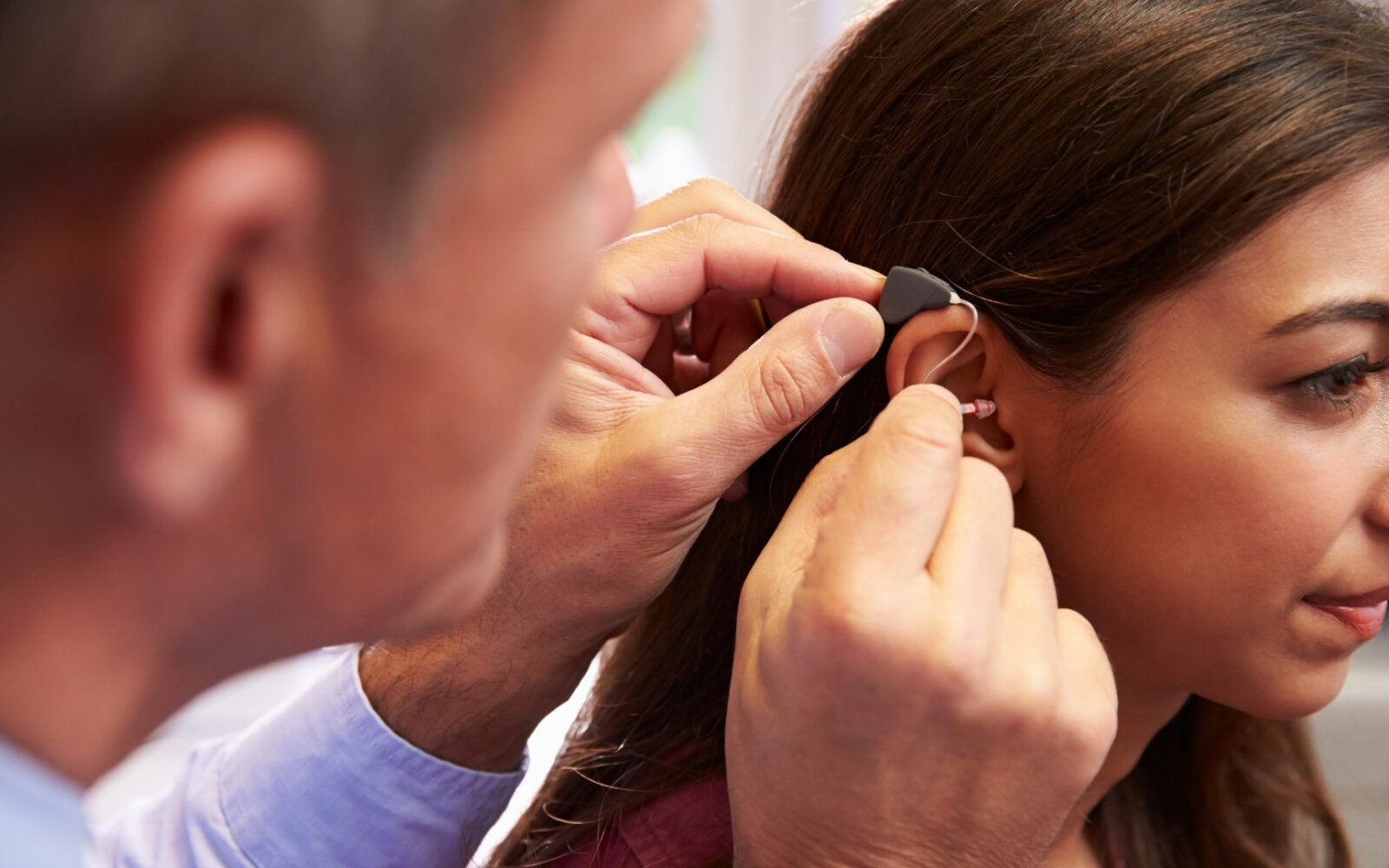
Hearing loss is one of the most common health concerns among veterans. Many individuals who serve in the military are exposed to loud, sudden noises during training and on active duty. Over time, this exposure can damage the delicate structures of the ear. Understanding the risks of hearing loss and knowing how to respond can help veterans protect their hearing and maintain a better quality of life.

Why Veterans Face Higher Risk

Military service often involves environments that are much louder than everyday settings. Gunfire, explosions, aircraft engines, and heavy equipment can all produce noise at dangerous levels. Even with protective gear, repeated exposure to these sounds can lead to long-term hearing problems.

The inner ear contains tiny hair cells that help convert sound into signals for the brain. These cells are very sensitive and can be damaged by loud noise. Once damaged, they do not grow back. This is why hearing loss caused by noise exposure is often permanent.

In some cases, hearing damage can occur suddenly after a single loud event. In other cases, it develops slowly over time due to repeated exposure. Both types are common among veterans.

Common Hearing Issues Among Veterans

Veterans may experience several types of hearing problems. Some may notice gradual changes, while others may develop symptoms quickly after exposure to loud noise.

Common signs of hearing loss include:

  • Difficulty understanding speech, especially in crowded or noisy environments
  • Ringing, buzzing, or hissing sounds in the ears
  • Trouble hearing high-pitched sounds such as alarms or voices
  • Feeling that sounds are muffled or unclear

Tinnitus, which is the perception of sound without an external source, is especially common among veterans. This condition can be constant or come and go. It can also affect sleep and concentration.

The Importance of Early Detection

Many veterans may not realize they have hearing loss until it begins to interfere with daily life. Early detection is important because it allows for timely treatment and can help prevent further damage.

Hearing tests are simple and painless. They measure how well a person can hear different sounds and understand speech. These results help hearing professionals determine the type and level of hearing loss.

Regular checkups are especially important for veterans who were exposed to loud noise during their service. Monitoring hearing over time can help catch problems early.

Treatment Options for Veterans

There are several effective ways to manage hearing loss. The right treatment depends on the severity of the condition and the individual’s lifestyle.

Some common treatment options include:

  • Hearing aids to improve sound clarity and communication
  • Assistive listening devices for specific environments, such as phone calls or television
  • Sound therapy or counseling to manage tinnitus
  • Custom hearing protection to prevent further damage

Working with a hearing professional can help veterans find the best solution for their needs. Treatment plans are often personalized to match daily activities and communication goals.

Protecting Hearing After Service

Even after leaving the military, veterans should continue to protect their hearing. Daily habits can make a significant difference in preserving hearing health.

Helpful steps include:

  • Avoiding loud environments when possible
  • Using ear protection in noisy settings
  • Keeping the volume at a safe level when using headphones
  • Scheduling regular hearing evaluations

These actions can help reduce the risk of further hearing damage and improve long-term outcomes.

Emotional and Social Impact

Hearing loss can affect more than just the ability to hear. It can also impact emotional well-being and social interactions. Veterans with hearing loss may feel frustrated or isolated, especially if communication becomes difficult.

Seeking support is an important part of managing hearing loss. Family members, friends, and professionals can all play a role in helping veterans adjust and stay connected.

Conclusion

Hearing loss is a serious concern for many veterans due to the high levels of noise exposure during military service. Understanding the risks and recognizing the signs can lead to early treatment and better outcomes. With the right care and support, veterans can manage hearing loss and continue to lead active and fulfilling lives.