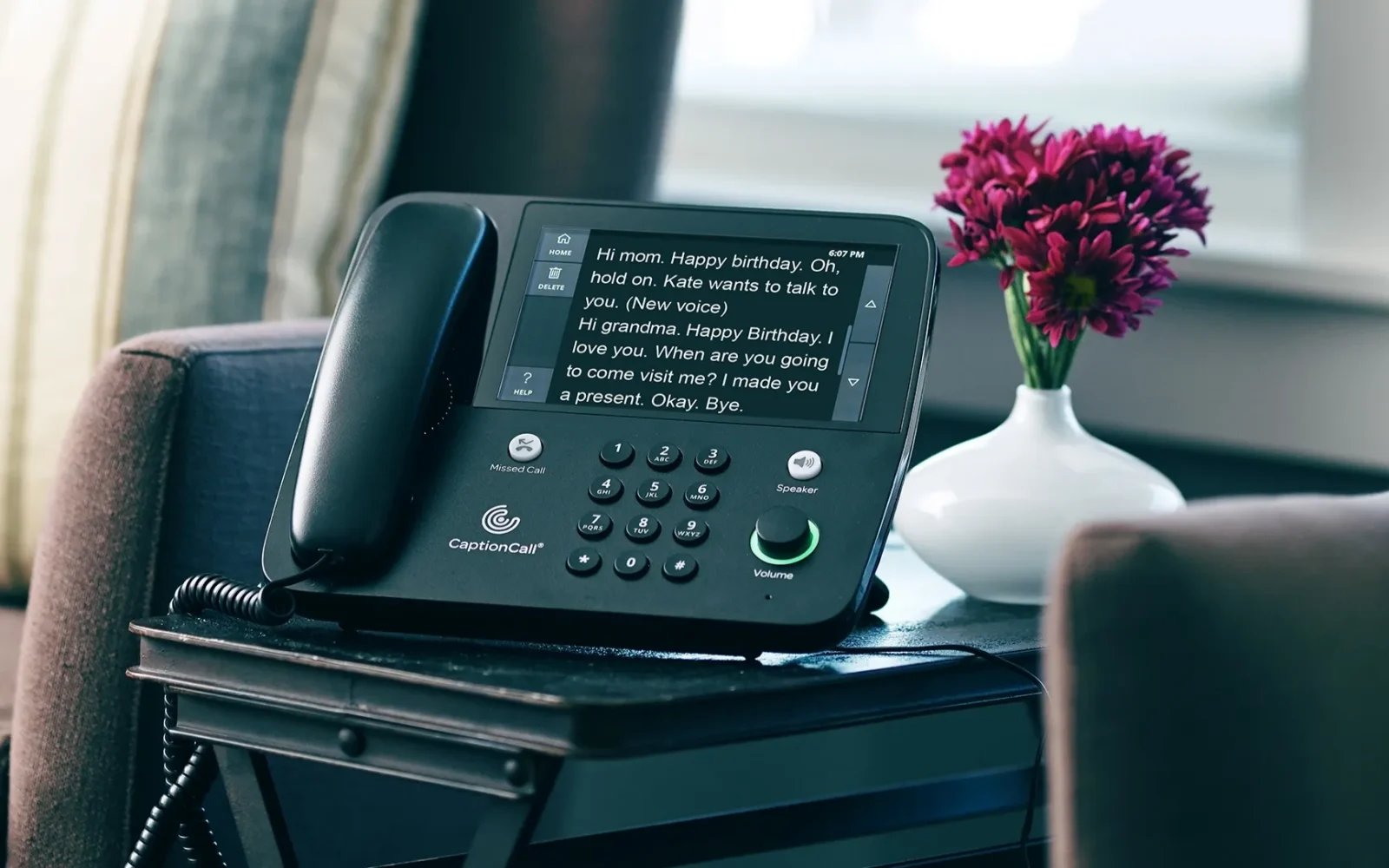
Captions are often associated with television and movies, but their value extends far beyond entertainment. For people with hearing loss, captioning can support communication during meetings, classes, phone calls, and public events. As digital technology improves, written speech is becoming a useful tool for making spoken information easier to access.

Captioning does not replace hearing. These tools can support participation without requiring others to repeat. Instead, it provides another path to important information when speech is difficult to understand.

Why Captioning Can Make Communication Easier

Understanding speech requires more than detecting sound. Hearing loss can make this process more difficult, especially in complex environments.

Captions can fill in information that may be missed. A student can read a lecture while listening to the teacher. An employee can follow a virtual meeting even when the speaker’s voice is unclear. A family member can use live captions during a video call when a conversation becomes difficult to follow.

This extra information can also reduce listening effort. Instead of concentrating intensely on every word, a person can use both hearing and visual information to understand the message.

Captioning Beyond the Home

Captioning is becoming more common in public and professional settings. Many smartphones and computers offer automatic captions. Video meeting platforms can create live transcripts, and some public programs provide real-time captioning for presentations.

Healthcare settings can also benefit from accessible communication. Medical appointments often include important instructions, medication information, and questions about symptoms. When speech is difficult to hear, written support can help patients review what was said and ask for clarification.

Combining Captions With Other Strategies

Captioning works best when it is part of a broader communication plan. Good lighting, clear speech, and reduced background noise can make conversations easier. Facing the speaker also provides visual cues that may aid understanding.

For situations where distance or noise remains a problem, assistive technology may provide additional support. Learn about assistive listening devices and how they can improve communication to explore options designed for challenging listening environments.

Communication habits matter as well. Speakers can face the listener, speak at a steady pace, and allow time for questions.

Understanding Automatic Captioning

Automatic captions are convenient, but they are not always accurate. Speech recognition programs can make mistakes with names, medical terms, accents, background noise, or simultaneous speakers.

For casual conversations, small errors may not matter. In healthcare, education, legal settings, or important business meetings, accuracy may be more important. In these situations, professional captioning or a live transcription service may be worth considering.

Users should also look at caption settings. Some devices allow users to change the text size or background to improve visibility.

Choosing the Right Captioning Solution

The best captioning method depends on the person’s needs and the setting. Someone may use automatic captions for a family video call but need professional live captioning during a large conference. A student may rely on captions for online lessons, while an employee may use real-time transcription during meetings.

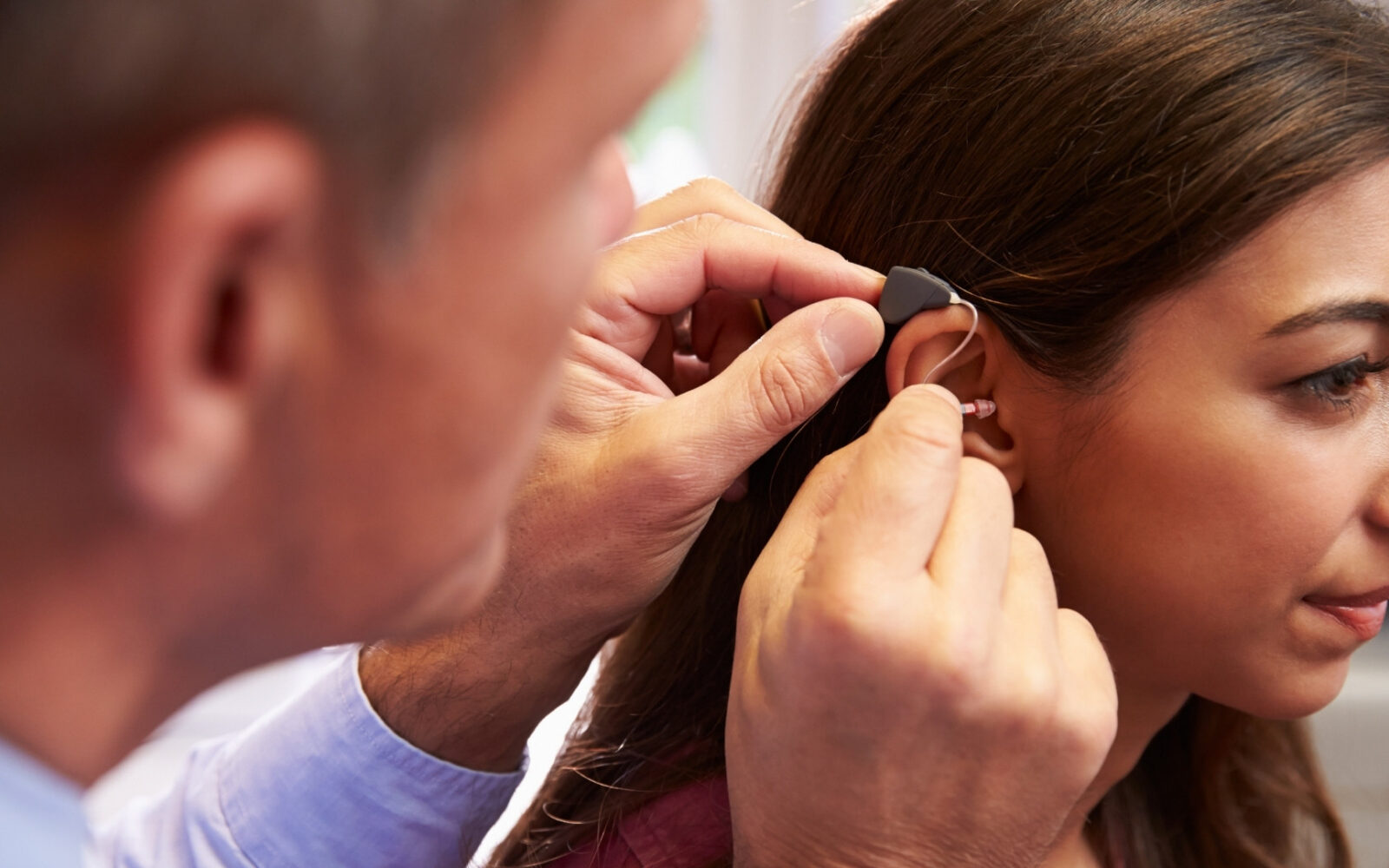
A hearing health professional can help identify communication challenges and discuss options that may complement hearing technology. Captioning can be one part of a plan that may also include hearing devices, assistive listening technology, communication strategies, and environmental changes.

Staying Connected With Greater Access

Captioning solutions have expanded well beyond television. They can support communication in classrooms, workplaces, healthcare settings, public events, and personal conversations. Having access to written speech can help reduce missed information and make communication feel more manageable.

Technology will continue to change how captions are created and delivered. As these tools become more common, people with hearing loss may have more choices for participating in conversations and accessing important information.

The goal is simple: make communication more accessible. Review practical communication strategies for people with hearing loss at this link. When captions are combined with thoughtful communication and appropriate hearing support, they can help people stay informed, confident, and connected.