National campaigns have helped bring hearing health into public conversations. For many years, hearing loss was often treated as a private problem. People might wait a long time before discussing changes in hearing or seeking an evaluation. Public awareness efforts have helped challenge that pattern by encouraging education, prevention, and earlier action.

Campaigns can reach people through schools, workplaces, community programs, healthcare organizations, and online resources. Some focus on preventing noise-related damage. Others encourage regular hearing checks or help families recognize the signs of hearing loss. Together, these efforts have changed how many people think about hearing health.

From Silence to Public Awareness

One of the most important changes has been the growing willingness to discuss hearing difficulties openly. Awareness campaigns have helped explain that hearing loss can affect people of different ages and backgrounds. They have also shown that communication problems are not always obvious.

A person may hear sounds but struggle to understand speech, especially in noisy places. Others may notice that they need to turn up the television volume or often ask people to repeat themselves. Public education helps people recognize these signs and understand that an evaluation can provide useful information.

Learning more about the basics of sensorineural hearing loss can also help people understand how changes in the inner ear or hearing pathways may affect everyday listening.

Encouraging People to Get Their Hearing Checked

Another important goal of hearing awareness campaigns is to reduce the delay between noticing a problem and seeking help. Hearing changes can develop slowly, making them easy to ignore.

A person may adjust by turning up the volume, choosing quieter restaurants, or depending on family members to repeat information. These strategies may help for a while, but they do not explain why communication has become more difficult.

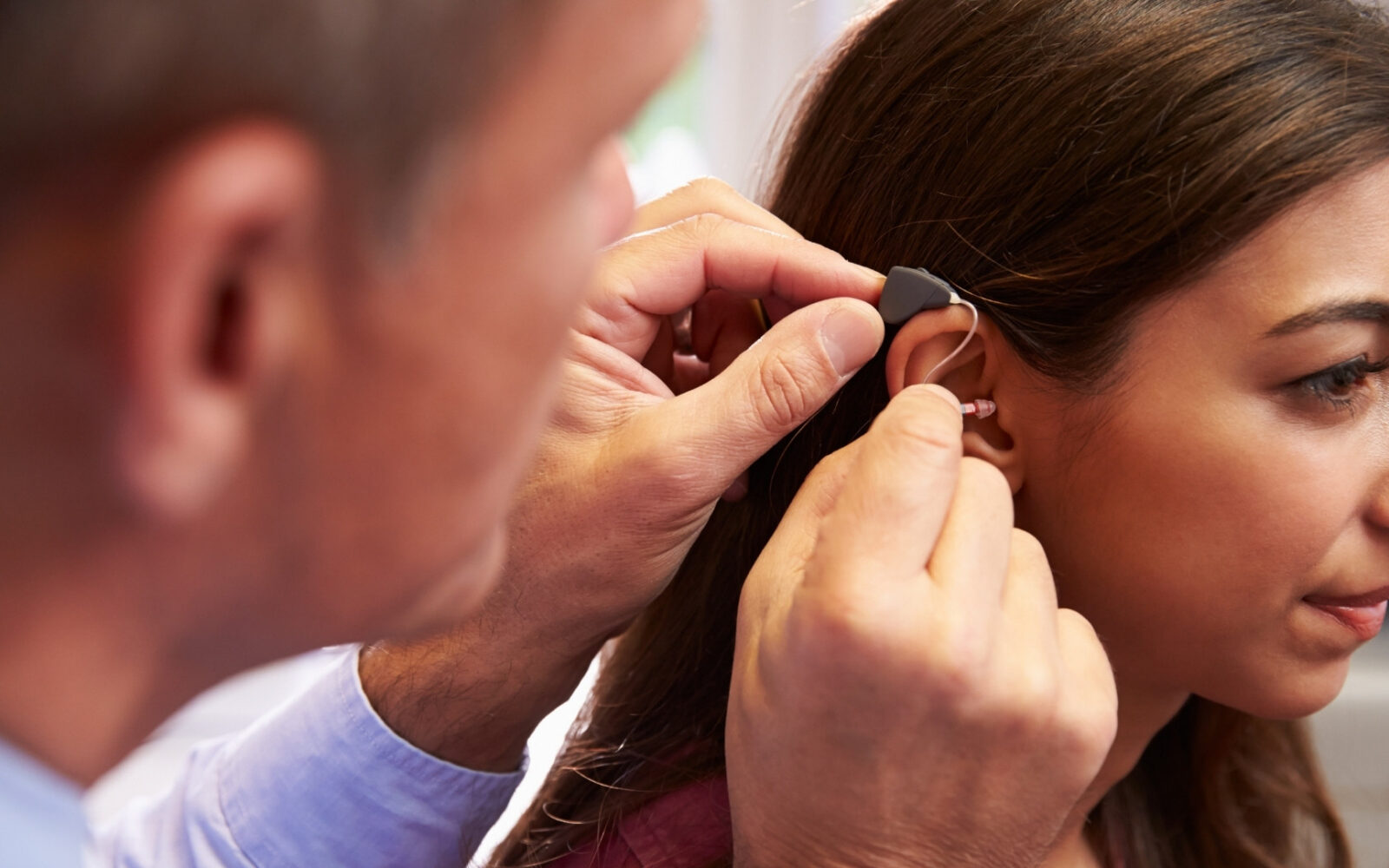
A hearing test and evaluation can measure hearing ability and help a hearing health professional understand the type and severity of a hearing concern. The information can then guide discussions about appropriate next steps. The practice describes its testing process as tailored to factors such as age, symptoms, and medical history.

Public campaigns have helped make this process feel more routine. Just as people schedule other health checks, hearing should be considered an important part of overall well-being.

Changing Attitudes About Hearing Support

Awareness campaigns have also worked to reduce stigma. In the past, some people viewed hearing devices as a sign of aging or weakness. Public education has helped shift the conversation toward communication, technology, and quality of life.

Modern hearing technology and personalized care have given people more options than they may realize. Campaigns that share accurate information can correct outdated beliefs and encourage individuals to ask questions.

This change in attitude can also affect families and workplaces. When hearing needs are discussed openly, people may be more willing to make simple communication adjustments. Facing the speaker, reducing background noise, and sharing important information clearly can support better understanding.

The Role of Community Education

National awareness efforts often have the greatest impact when local communities continue the conversation. Hearing screenings, educational events, workplace programs, and online resources can connect broad public messages with practical support.

Community education can also reach people who might not actively search for hearing information. A short presentation or screening event may encourage someone to pay attention to symptoms they have ignored. Important messages include:

  • Hearing changes can happen at any age.
  • Loud noise can cause lasting damage.
  • A hearing health professional can provide guidance when communication becomes difficult.

Clear and accurate information helps people make informed decisions without fear or embarrassment.

Looking Ahead

Hearing awareness will continue to change as technology and public understanding improve. Digital tools, remote communication, and new hearing technology may create additional opportunities for education and support.

The most effective campaigns will likely continue to focus on prevention, early attention, and respectful communication. They can also remind the public that hearing health affects relationships, work, safety, and participation in daily activities.

National campaigns have changed hearing awareness by bringing an often hidden concern into the public conversation. These efforts have encouraged people to pay closer attention to their hearing health.

By continuing to promote prevention and open discussion, public campaigns can support healthier hearing habits and reduce barriers that keep people from asking for help. If you have any questions concerning your hearing health, reach out to our team to learn more.