Everyone mishears a word from time to time. A noisy room, a fast conversation, or an unfamiliar voice can make it difficult to understand what someone has said. While occasional misunderstandings are normal, frequent misheard words can become frustrating and embarrassing. Children, teens, and adults may begin to worry about making mistakes in conversations or feel anxious about participating in social situations.

The good news is that there are practical ways to manage these challenges while also identifying whether hearing concerns may be contributing to the problem. Understanding why words are misheard and knowing when to seek help can improve confidence and make conversations more enjoyable.

Why Misheard Words Happen

Conversations rely on more than just hearing sounds. People also use facial expressions, body language, and the surrounding environment to understand what is being said. When one part of that process becomes more difficult, misunderstandings can occur.

Several factors may contribute to misheard words, including:

  • Background noise in restaurants, classrooms, or family gatherings.
  • People speaking too quickly or quietly.
  • Accents or unfamiliar voices.
  • Temporary ear congestion from illness.
  • Changes in hearing that make certain speech sounds more difficult to distinguish.

Some speech sounds are naturally similar. Words that contain soft consonants, such as “f,” “th,” or “s,” may be harder to recognize, especially when there is competing noise.

The Emotional Impact of Communication Challenges

Repeated misunderstandings can affect more than conversations. They can also influence a person’s confidence and willingness to participate in social activities.

Someone who frequently mishears words may:

  • Feel embarrassed after giving the wrong response.
  • Avoid group conversations.
  • Laugh along without understanding what was said.
  • Become anxious before meetings or family events.

Over time, these experiences may lead people to withdraw from social situations they once enjoyed. Recognizing these feelings is an important first step toward finding helpful solutions.

Individuals who notice ongoing communication difficulties may benefit from learning about the diagnostic options available through hearing testing, which can help determine whether hearing changes are affecting everyday conversations.

Simple Strategies for Better Conversations

Many communication challenges can be reduced by making small adjustments during conversations.

Choosing a quieter place to talk can make speech much easier to understand. Turning off televisions or moving away from loud background music also helps reduce distractions.

Facing the speaker allows listeners to observe facial expressions and natural speech movements. Good lighting makes these visual cues even easier to recognize.

If something is unclear, it is perfectly acceptable to ask the speaker to repeat or rephrase a sentence. Many people naturally repeat the same words, but using different wording often makes the message much easier to understand.

Speaking openly with family members and friends about communication challenges can also reduce unnecessary frustration. Most people are happy to slow down or speak more clearly when they understand the situation.

When It May Be Time for a Hearing Evaluation

If misheard words become more frequent, it may be time to schedule a professional hearing evaluation.

Warning signs can include frequently asking people to repeat themselves, increasing the television volume, struggling to understand conversations in noisy places, or feeling mentally tired after social events.

A hearing health professional can perform a thorough evaluation to determine whether hearing changes are contributing to communication difficulties. The results provide valuable information that can guide appropriate recommendations.

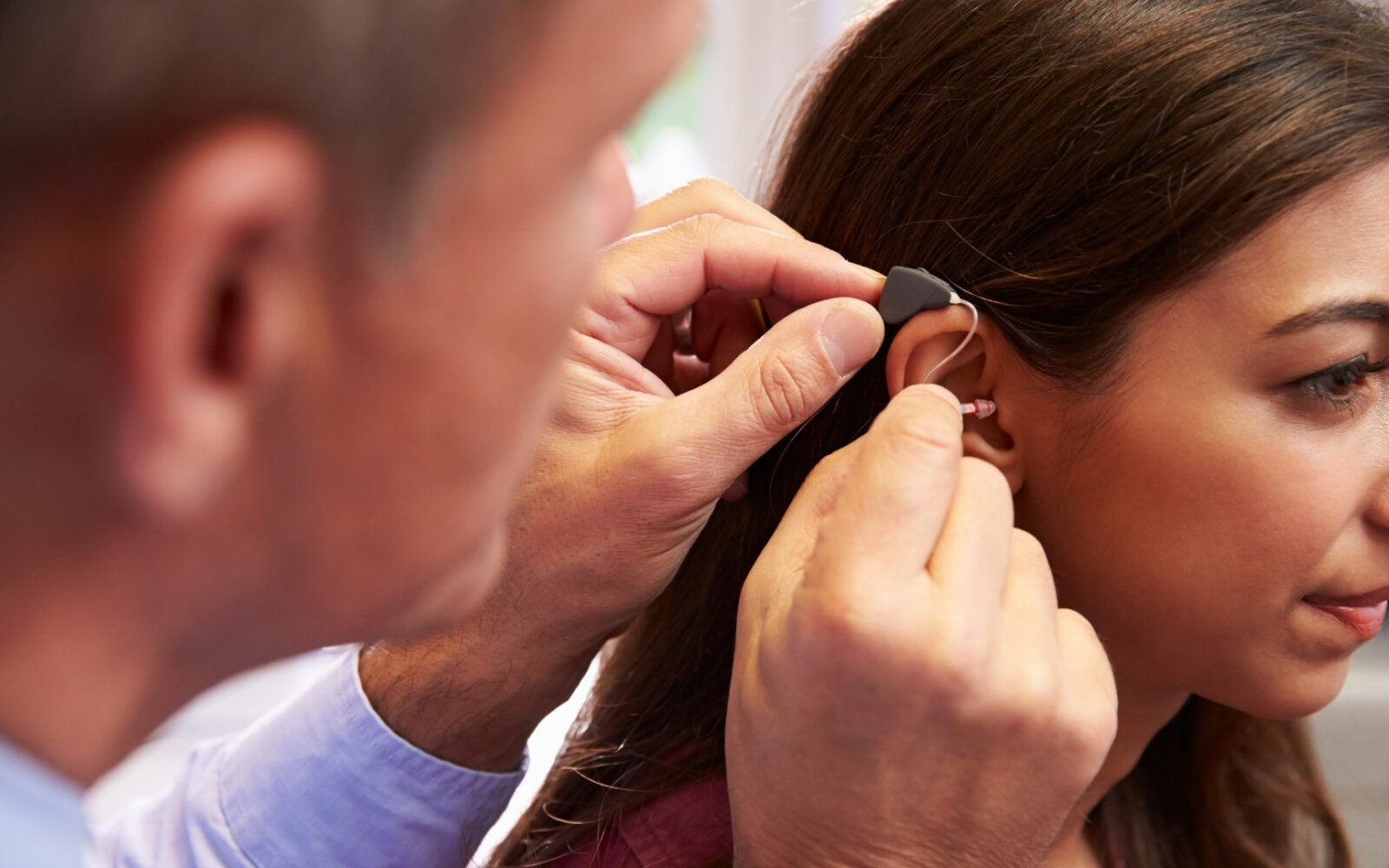
People exploring options to improve communication may also find helpful information about hearing aids, which can support clearer conversations when hearing loss is present.

Supporting Family Members With Communication Challenges

Family and friends play an important role in successful communication. Small changes in speaking habits can make conversations less stressful for everyone.

Helpful communication habits include speaking clearly at a comfortable pace, gaining someone’s attention before beginning a conversation, and reducing unnecessary background noise whenever possible.

Patience and understanding create a more comfortable environment where everyone feels included. Encouragement can help people remain socially active rather than avoid conversations out of embarrassment.

Conclusion

Misheard words are something nearly everyone experiences, but frequent misunderstandings should not be ignored. Communication challenges can affect confidence, relationships, and overall quality of life when they occur regularly.

Simple conversation strategies often improve understanding, while a professional hearing evaluation can identify whether hearing changes are contributing to the problem. Seeking support early allows people to communicate with greater confidence and continue enjoying meaningful conversations with family, friends, and coworkers.