Learning to listen is one of the first steps in a child’s language development. From the first weeks of life, babies begin responding to sounds in their environment. As they grow, they learn to recognize voices, understand words, and communicate with others. When listening skills develop as expected, children have a stronger foundation for speech, learning, and social interaction.

Parents often wonder how hearing health professionals know if a young child is developing these important skills. The answer involves several age-appropriate assessments that measure how children respond to sounds and spoken language. These evaluations help identify concerns early so families can receive guidance and support when it is most effective.

Why Early Listening Skills Matter

Listening is more than simply hearing sounds. It also includes understanding and responding to spoken language. Strong listening skills help children:

  • Learn new words more easily.
  • Develop clear speech.
  • Build reading and learning skills later in school.
  • Communicate confidently with family and friends.

If a child has difficulty hearing or processing sounds, these milestones may be delayed. Early evaluation allows families to understand their child’s needs before communication challenges become more noticeable.

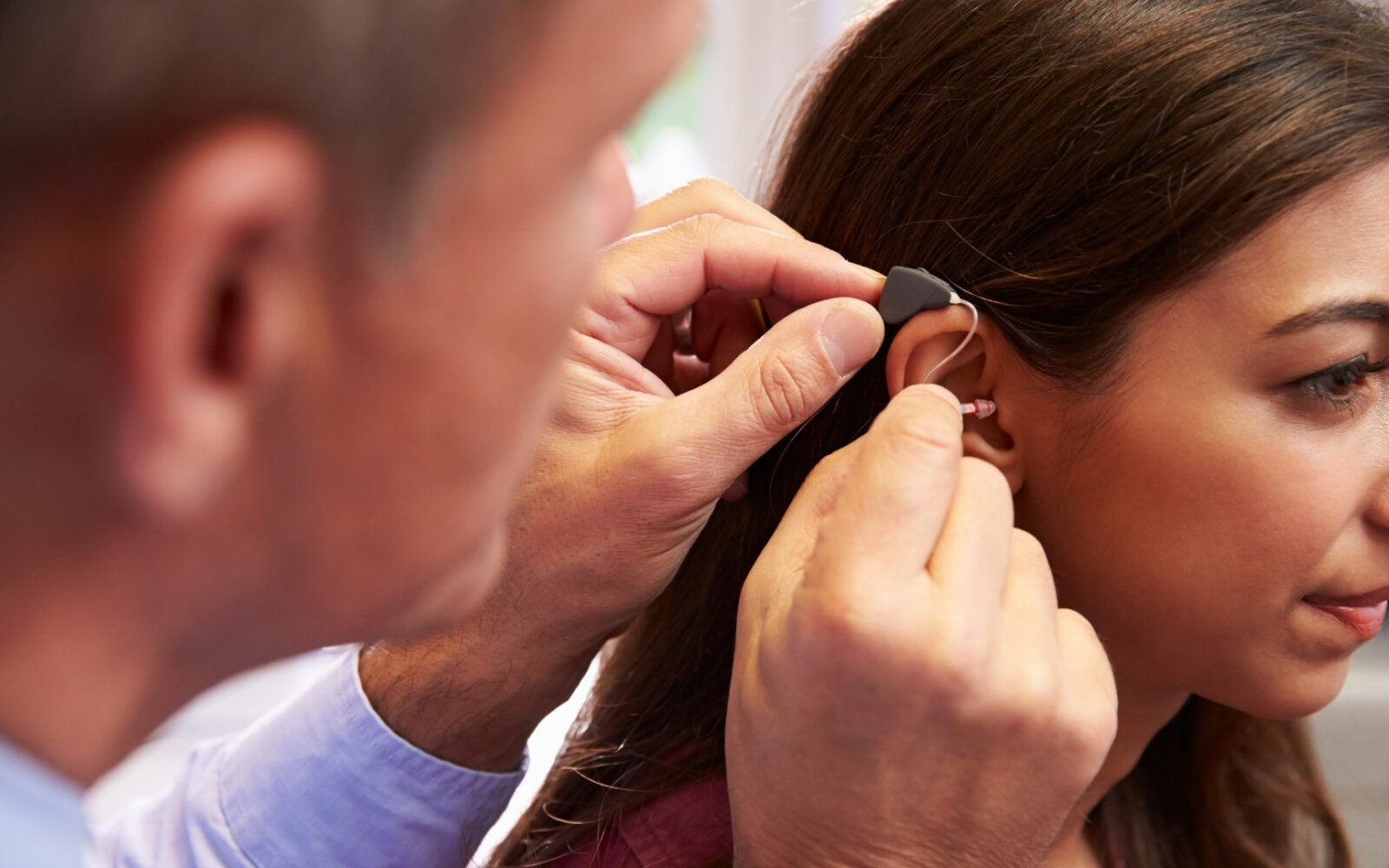
Parents who have questions about hearing evaluations can also learn more about available hearing care services that support children and adults with a wide range of hearing concerns.

The First Hearing Screening

Many babies receive a hearing screening shortly after birth. This simple test checks whether the ears respond normally to sound. Although most newborns pass the screening, some babies need additional testing.

A screening does not diagnose hearing loss. Instead, it identifies children who may benefit from a more complete evaluation. If additional testing is recommended, parents should schedule it as soon as possible. Early follow-up helps avoid unnecessary delays in speech and language development.

Watching Developmental Milestones

As children grow, hearing health professionals compare their progress with expected listening milestones for each age.

For example, young infants often:

  • Startle at loud sounds.
  • Calm when hearing a parent’s voice.
  • Turn toward familiar voices.

Older babies may begin to recognize their names, respond to simple words, and enjoy songs or stories.

Toddlers usually understand simple directions, identify familiar objects, and imitate words they hear throughout the day.

These milestones help determine whether listening skills are progressing normally or whether additional evaluation may be helpful.

Age-Appropriate Listening Assessments

Every child is different, so hearing health professionals choose testing methods based on age and developmental level.

For infants, gentle sensors may measure how the ears and hearing pathways respond to sounds while the baby rests quietly. These tests do not require verbal responses.

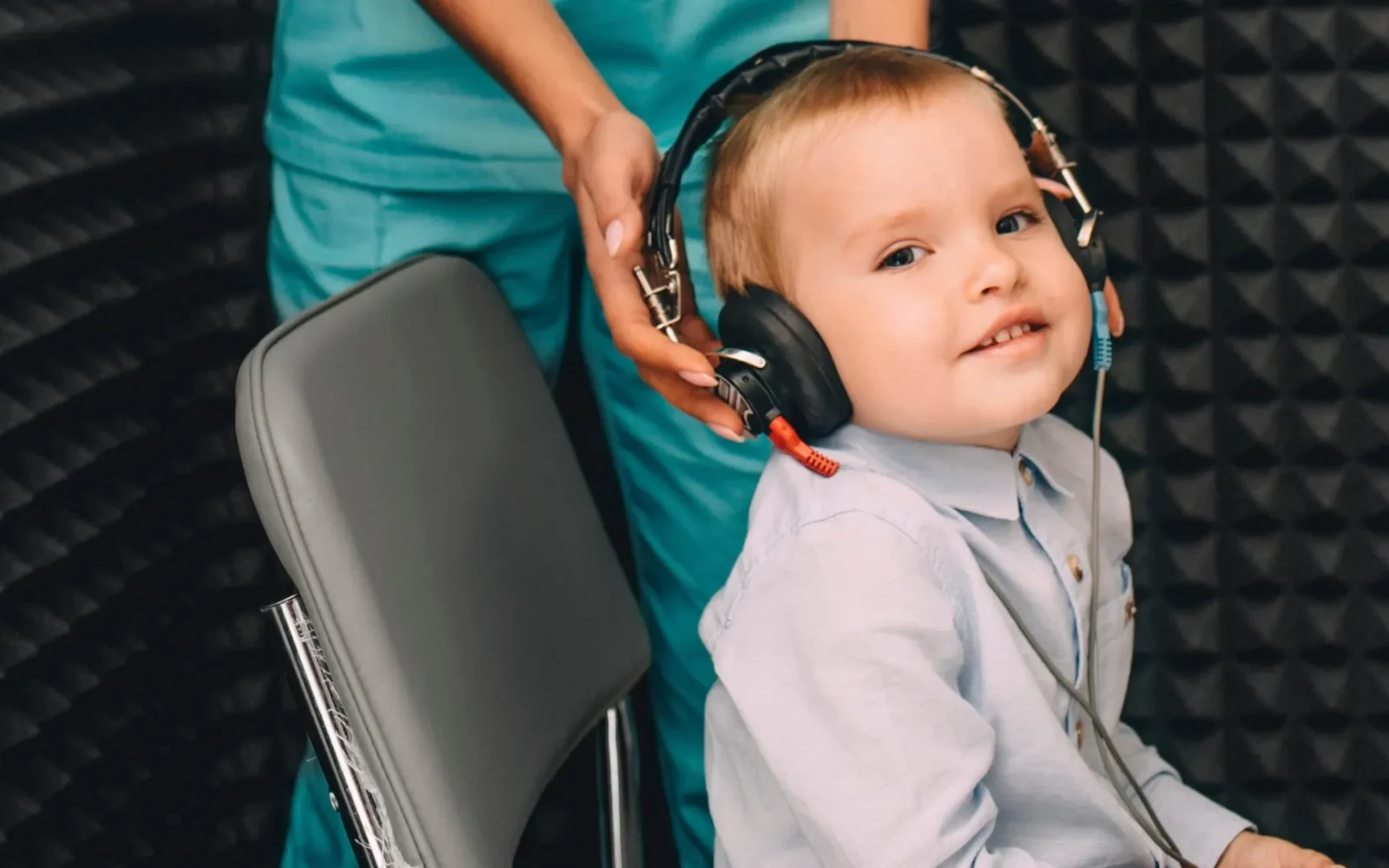
As children become more active, assessments become more interactive. A toddler may be encouraged to turn toward a sound or participate in a simple listening game. Preschool-aged children may respond by pointing to pictures or repeating familiar words.

These activities allow hearing health professionals to measure hearing ability while keeping the child comfortable and engaged.

Families interested in learning more about comprehensive evaluations can also explore audiology and hearing aid services, which explain the different testing options available for patients of all ages.

Parents Play an Important Role

Parents know their children better than anyone else. During an appointment, families are often asked questions about daily listening behaviors.

Helpful observations include:

  • Does the child respond when called from another room?
  • Does the child enjoy music or nursery rhymes?
  • Does the child seem to misunderstand spoken directions?
  • Does the child frequently ask for words to be repeated?

These details help create a complete picture of the child’s listening abilities both at home and in other settings.

Parents should also mention any history of frequent ear infections, family hearing loss, or concerns raised by teachers or caregivers.

What Happens if a Concern Is Found?

Finding a listening concern does not always mean a child has permanent hearing loss. Temporary conditions, such as fluid behind the eardrum or frequent ear infections, can also affect hearing.

When hearing difficulties are identified early, children often have better opportunities to build strong communication skills. Early support can make a meaningful difference during important stages of growth and learning.

Conclusion

Early listening skills provide the foundation for communication, learning, and social development. Regular assessments help identify concerns before they become larger challenges, allowing children to receive support when it can have the greatest impact.