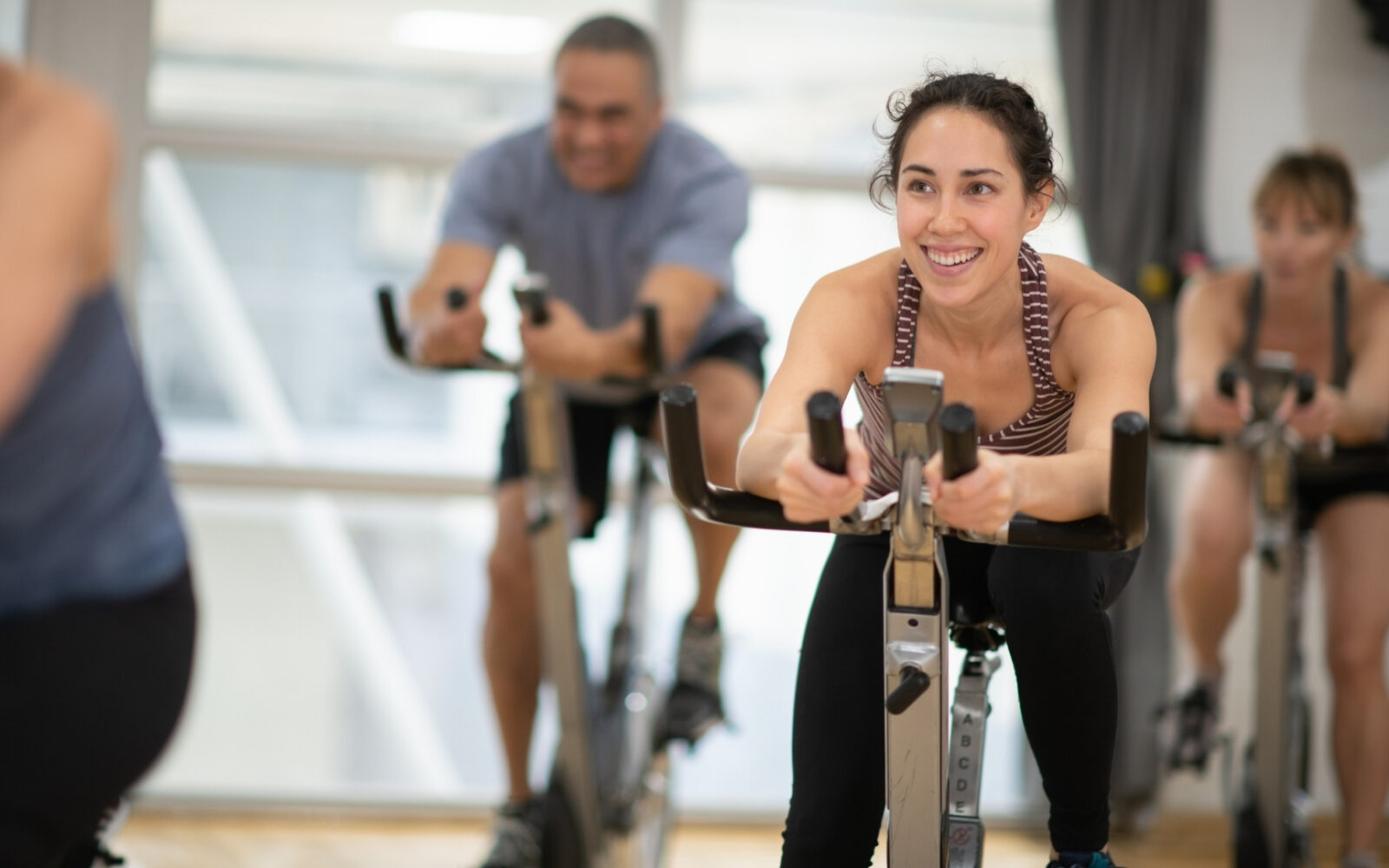
Fitness classes have become a popular way for people to stay active and motivated. Many gyms and studios use loud music during cycling classes, dance workouts, aerobics sessions, and high-intensity interval training programs. Music can create excitement and help participants maintain energy during exercise. However, sound levels in some fitness environments may become loud enough to affect hearing health over time.

Many individuals do not realize that repeated exposure to loud workout music can strain the ears. While a single class may not seem harmful, regular exposure to high sound levels can increase the risk of hearing damage. Learning safe listening strategies can help people enjoy fitness classes while protecting their long-term hearing health.

Why Fitness Classes Can Become Too Loud

Music is often used in exercise settings to encourage movement and improve motivation. Instructors may increase the volume to energize participants or overcome noise from equipment and large groups.

Unfortunately, some fitness classes exceed safe sound levels. Certain studios regularly reach volumes above 90 decibels, which may become harmful after extended exposure. Repeated exposure to sounds at this level can gradually damage the delicate hair cells inside the inner ear.

Unlike many other parts of the body, these hearing cells do not naturally repair themselves once damaged.

Common sound-heavy fitness environments include:

  • Indoor cycling classes
  • Dance fitness programs
  • Boot camp workouts
  • Group aerobics classes

People who attend multiple classes each week may experience more hearing strain over time.

Warning Signs of Unsafe Noise Exposure

Hearing damage often develops slowly, making it difficult to notice at first. Some people experience temporary symptoms after leaving loud fitness classes but assume the effects are harmless.

Common warning signs may include:

  • Ringing in the ears
  • Muffled hearing after class
  • Difficulty understanding speech
  • Sensitivity to noise

Even if symptoms disappear after several hours, repeated exposure may still contribute to long-term hearing problems.

It’s a good idea to have regular hearing evaluations when frequently exposed to noisy environments.

Choosing Safer Workout Environments

One of the easiest ways to protect hearing is to pay attention to the sound levels inside fitness studios. Some gyms intentionally lower music volume to create safer exercise environments while still maintaining energy and motivation.

Participants should feel comfortable asking fitness instructors or staff about sound levels. Many instructors are willing to adjust volume when concerns are raised.

Location inside the room also matters. Standing farther away from speakers can significantly reduce direct sound exposure. Even moving a few feet away from large speakers may lower the intensity reaching the ears.

Using Hearing Protection During Classes

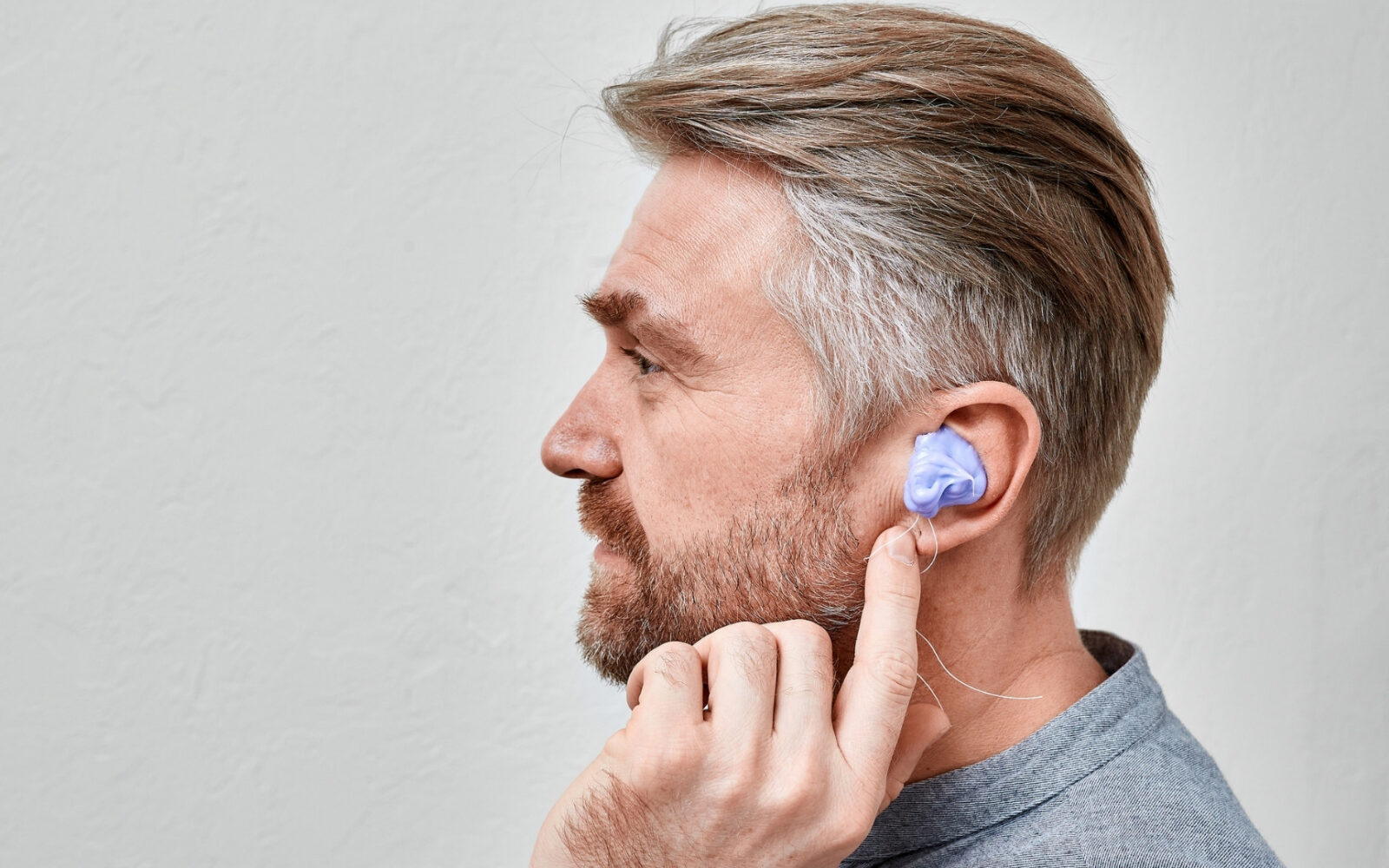
Hearing protection is not only for construction sites or concerts. Earplugs designed for music and exercise settings may help reduce harmful noise while still allowing participants to hear instructions and enjoy the workout.

Reusable musician earplugs are often a good option because they reduce sound levels evenly without distorting the music’s quality.

Safe Listening Habits Outside the Gym

People who attend loud fitness classes may also use headphones during personal workouts, increasing their overall sound exposure throughout the day. Practicing healthy listening habits both inside and outside the gym can help reduce cumulative hearing stress.

Helpful listening strategies include:

  • Lowering headphone volume
  • Taking breaks from loud environments
  • Limiting time near speakers
  • Allowing the ears time to recover after exposure

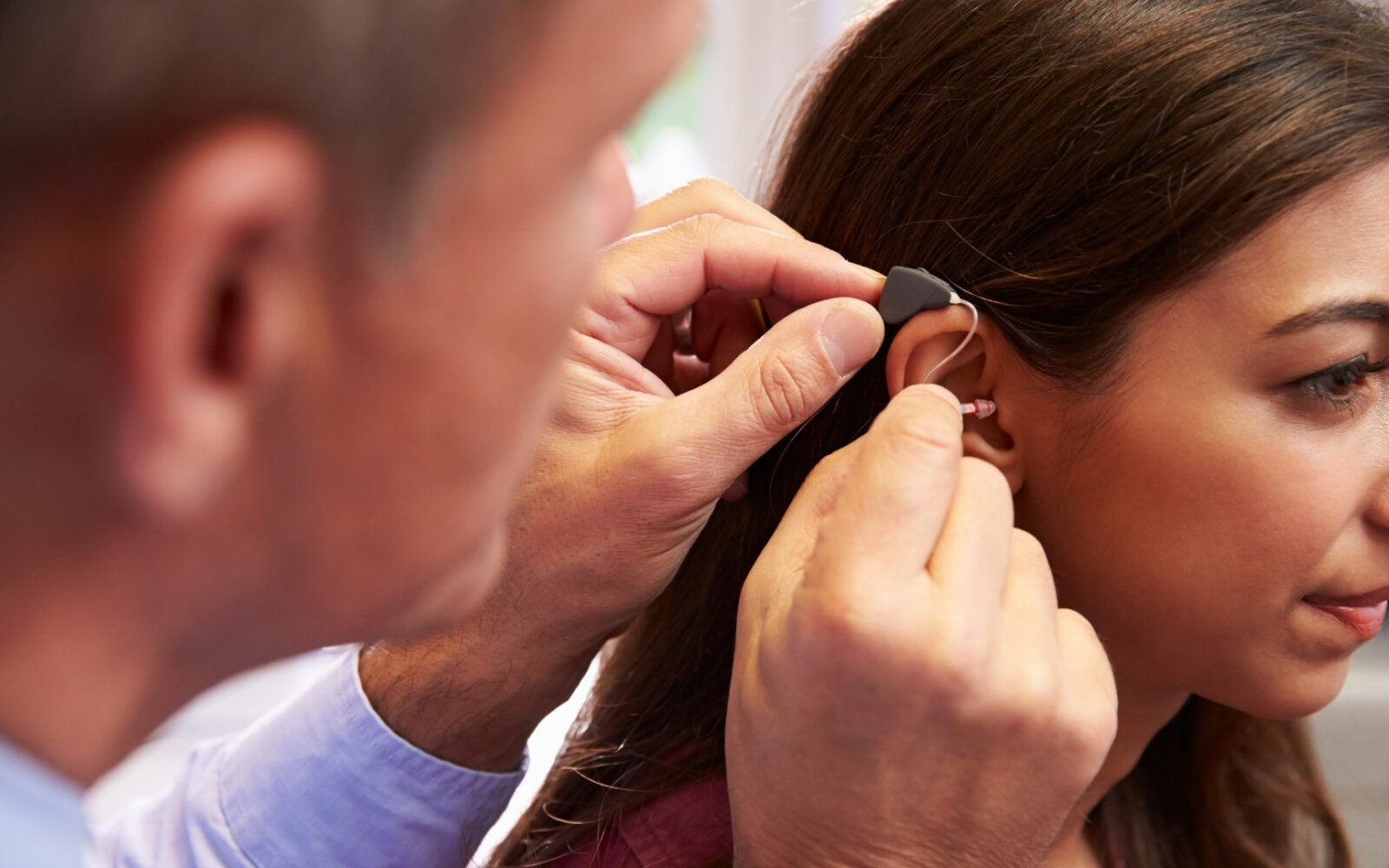
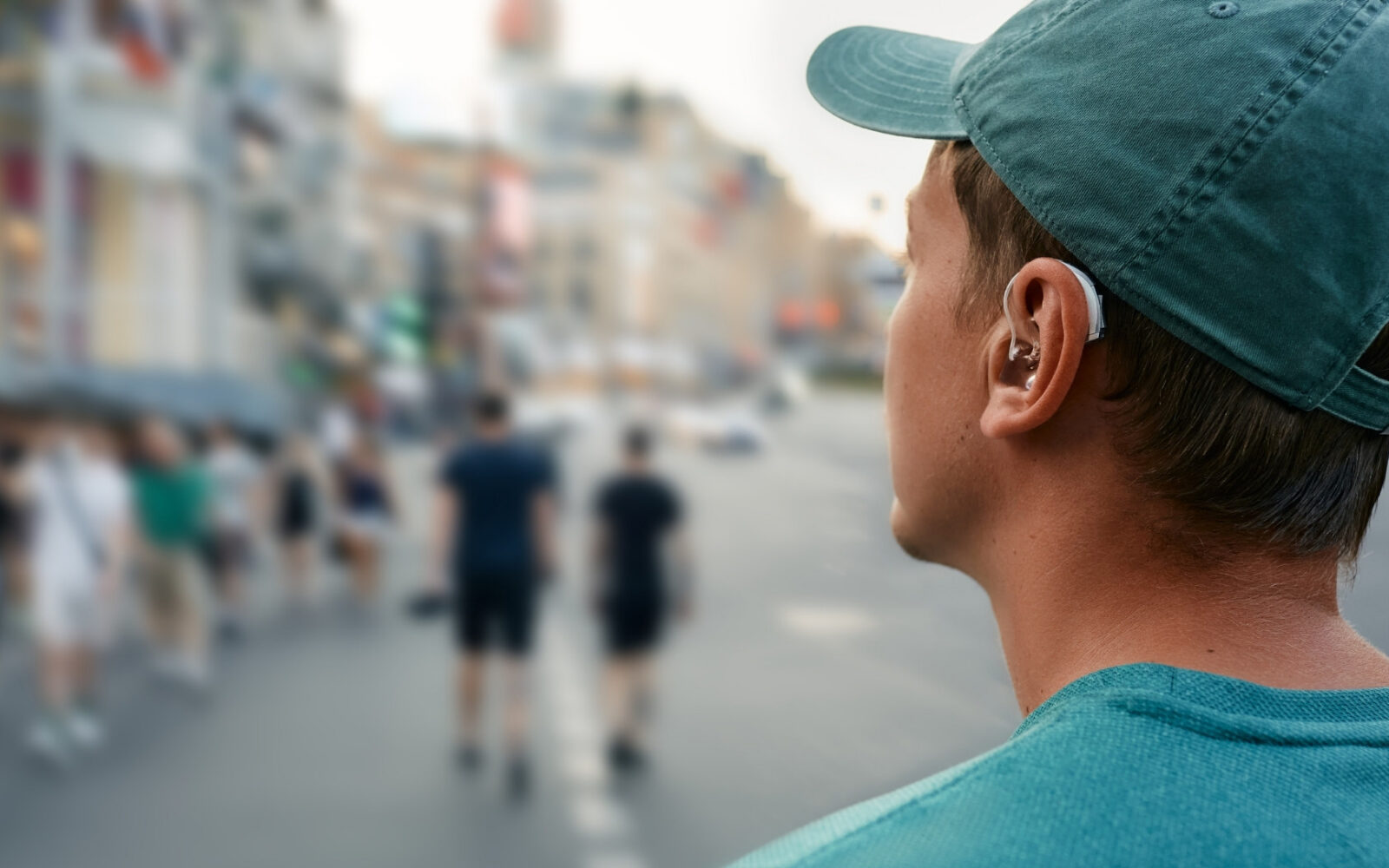
Hearing support and technology options are available for individuals who experience hearing difficulties.

Long-Term Benefits of Hearing Protection

Protecting hearing during fitness activities supports long-term communication and overall well-being. Healthy hearing allows people to stay socially connected, communicate clearly, and continue enjoying favorite activities throughout life.

Noise-related hearing damage often develops gradually over many years. Small preventive steps taken today may reduce hearing problems later in life.

People who notice hearing changes, ringing in the ears, or listening difficulties should promptly seek guidance from a hearing health professional. Early attention may help prevent further damage and improve hearing outcomes.

Conclusion

Sound-based fitness classes can provide energy, motivation, and enjoyment, but loud music may also place hearing health at risk when proper precautions are not taken.

By choosing safer workout environments, limiting exposure to high sound levels, and using hearing protection when needed, individuals can continue to enjoy group exercise while protecting their hearing.

Healthy hearing habits both inside and outside the gym can make a meaningful difference over time. With increased awareness and preventive care, people can support both physical fitness and long-term hearing wellness.