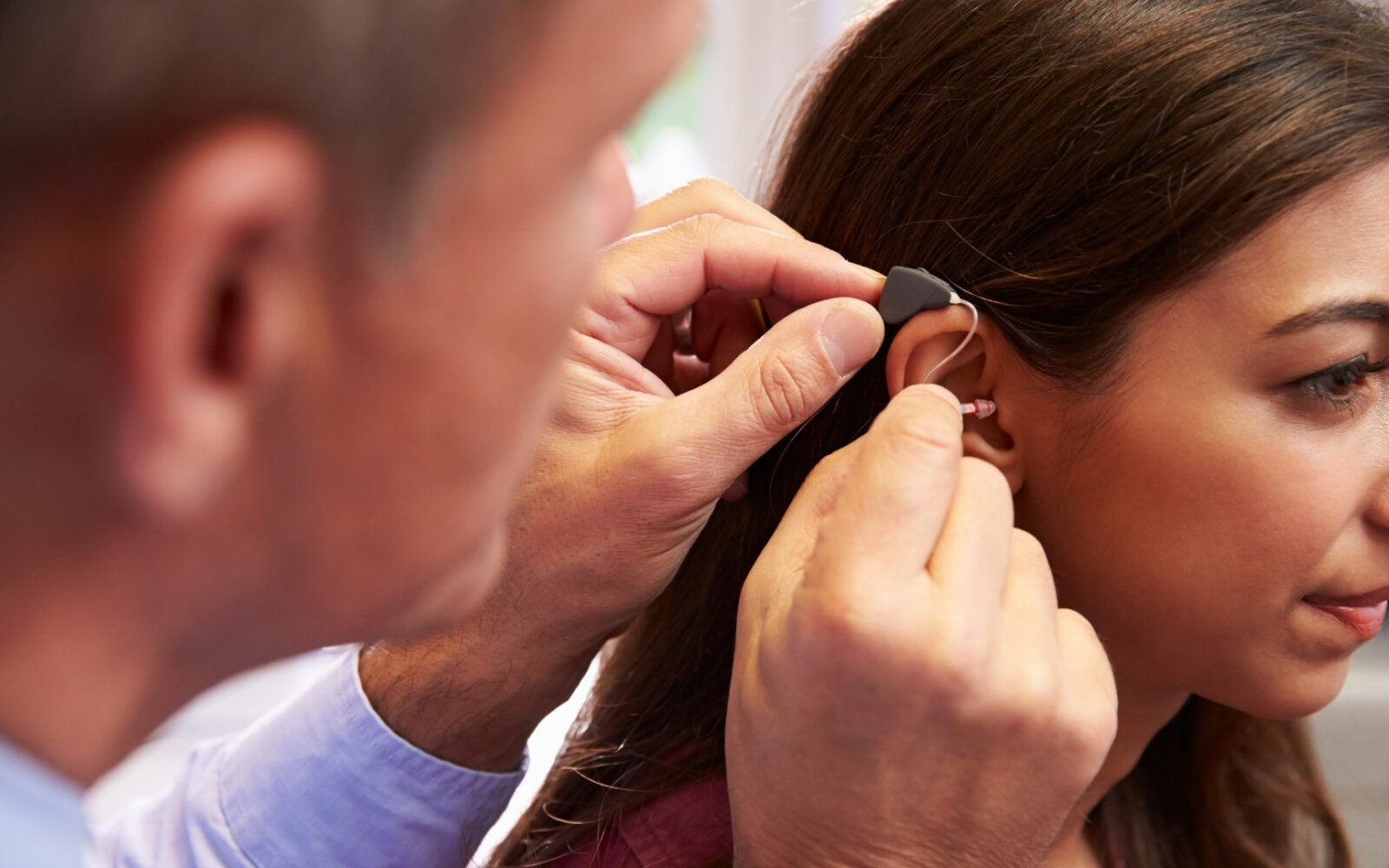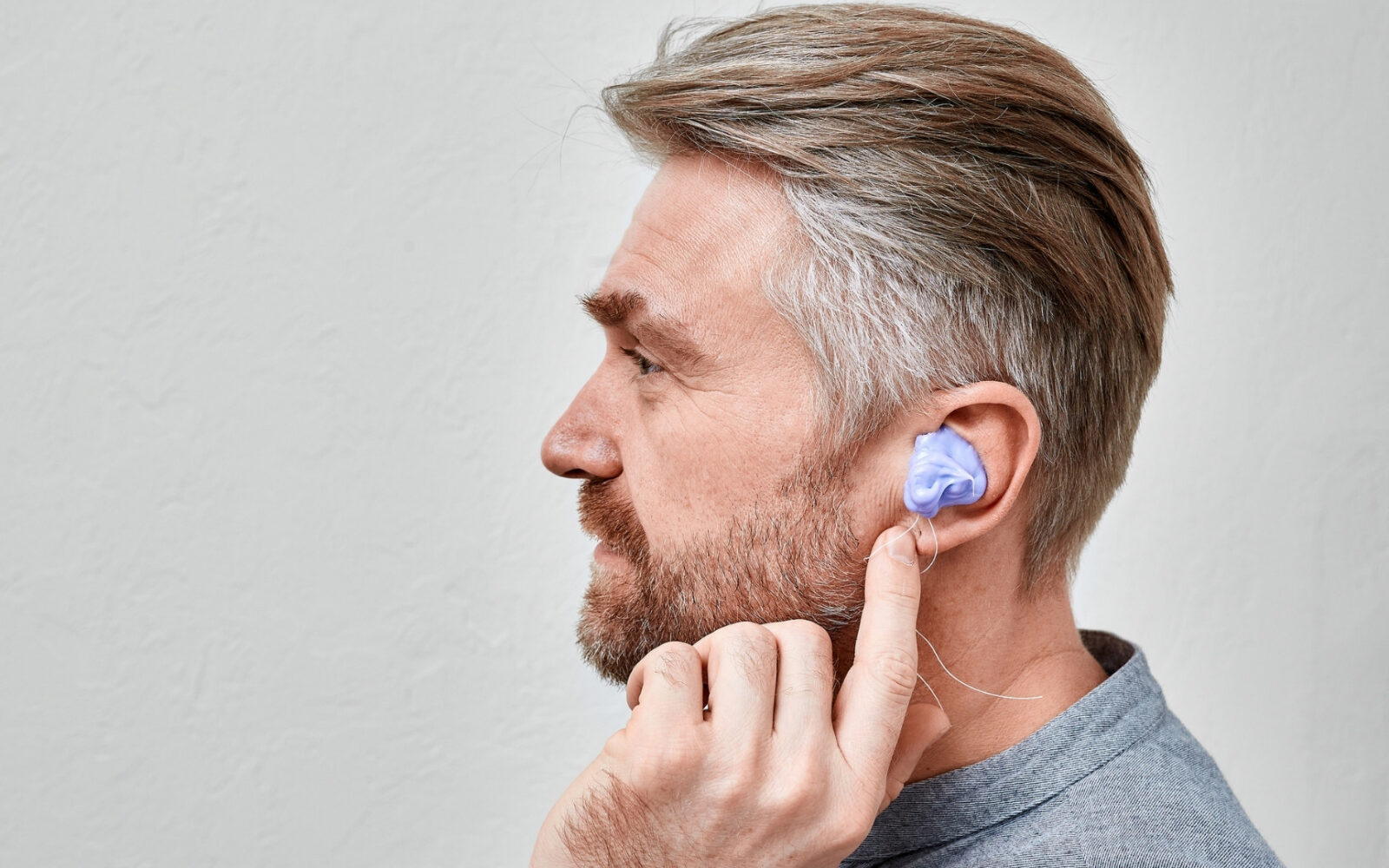
One’s identity is a complex mixture of their experiences, relationships, and interactions with the world around them. It is the story they tell about who they are. When a person experiences a change in their hearing abilities, this internal story can undergo a significant shift.

Hearing loss is not just a physical condition; it deeply influences emotional well-being and self-perception. For many individuals, losing the ability to hear clearly can lead to a period of questioning their place in their community and their own sense of self. Understanding this psychological process is vital for anyone navigating these changes or supporting a loved one through them.

The Initial Impact on Self-Image

The initial realization of a hearing decline often brings a wave of mixed emotions. People might suddenly feel older than they are, or they might feel a new sense of vulnerability. Society sometimes attaches unfair stigmas to hearing devices or communication struggles. Unfortunately, individuals often internalize these negative stereotypes.

A person who always viewed themselves as sharp, attentive, and highly independent might start to feel insecure. They might begin to see themselves as a burden to their family or friends. This shift in self-image can be quite jarring. The confidence they once carried into conversations can easily be replaced by anxiety and sudden self-doubt.

Navigating Social Changes

Much of one’s identity is formed through their daily social interactions. You might be the joke-teller of your family, the empathetic listener among your friends, or the vocal leader in your workplace. When hearing becomes difficult, maintaining these roles requires much more effort. Group conversations in noisy environments can become overwhelming. To avoid the embarrassment of misunderstanding a comment or repeatedly asking people to speak up, many individuals begin to withdraw. They might decline invitations to parties or stay quiet during important meetings. As they step back from these social environments, they might feel like they are losing a core part of their personality.

The Emotional Process and Acceptance

Accepting a new physical reality takes time and considerable patience. It is completely normal to experience a grieving process for the hearing abilities that have been lost. Recognizing these feelings is a necessary step toward building a new, healthy self-perception.

As people move through this emotional process, they often discover new personal strengths. They learn to be stronger advocates for themselves and to become more observant of visual cues such as body language and facial expressions. Finding the right professional support can make this transition much smoother. Exploring the full range of available care options can empower individuals to take back control of their hearing health.

Redefining Identity with Confidence

Ultimately, adapting to hearing loss involves redefining your identity in a positive way. It means accepting that using a hearing device or requesting communication accommodations does not diminish your worth, capabilities, or intelligence. In fact, seeking help is a clear sign of resilience.

Many people find that once they embrace their situation and utilize the right tools, their confidence fully returns. They resume their favorite activities and re-engage with their loved ones. They are still the same person, just equipped with a new set of tools to navigate their environment.

Here are a few ways individuals successfully rebuild their confidence:

  • Educating friends and family about their specific communication needs and preferences.
  • Focusing on the activities they love and finding new, accessible ways to enjoy them.
  • Viewing their hearing technology as a helpful enhancement rather than a negative symbol.

Seeking Professional Support

No one should have to handle the complex emotional landscape of hearing loss by themselves. Connecting with support groups, talking openly with family members, and working closely with hearing care professionals are all excellent ways to rebuild a strong sense of self.

Professionals can offer both technical solutions and valuable guidance on adapting to daily life. Finding a supportive medical team makes a profound difference in how a person views their health situation. If you or a loved one is experiencing changes in your auditory health and wants to discuss your unique situation, reaching out is the best first step.