Hearing loss can affect people in different ways, from mild difficulty hearing conversations to a more serious inability to detect sound. Fortunately, modern hearing technology offers effective solutions. Two of the most common options are hearing aids and cochlear implants. While both are designed to improve hearing, they work in very different ways and are used for different levels of hearing loss. Understanding these differences can help individuals make informed decisions about their care.

What Are Hearing Aids?

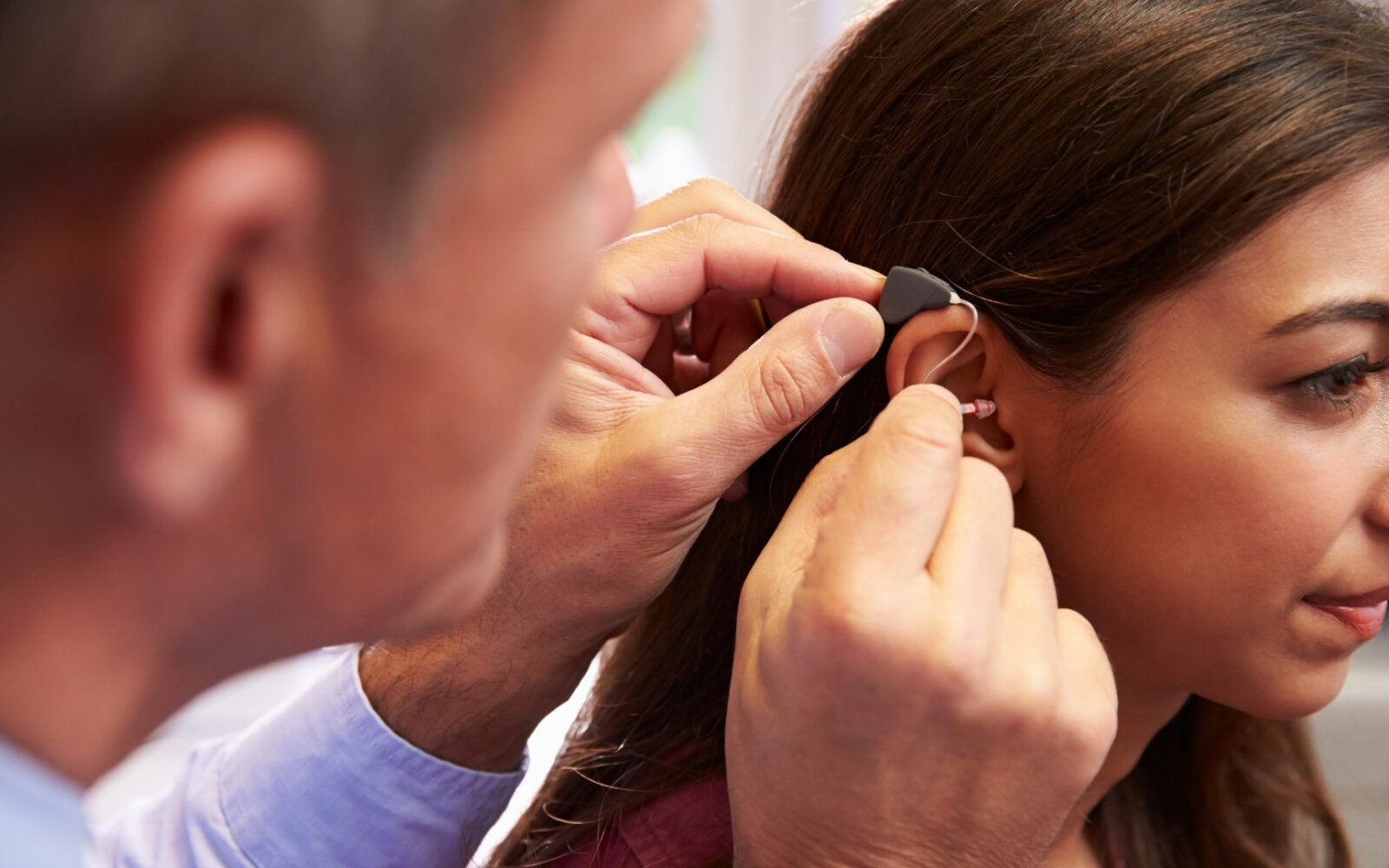
Hearing aids are small electronic devices that are worn either behind or inside the ear. Their main purpose is to amplify sound so that it becomes easier to hear. They are commonly used by individuals with mild to moderate hearing loss, although some people with more advanced hearing loss may also benefit from them.

A hearing aid works by using a microphone to pick up sounds from the environment. These sounds are then amplified and delivered into the ear through a speaker. This process makes speech and other everyday sounds louder and clearer.

Modern hearing aids often include advanced features that improve the listening experience. These features may include noise reduction, directional microphones, and wireless connectivity to smartphones. These improvements help users hear better in a wide range of environments, including busy or noisy settings.

What Are Cochlear Implants?

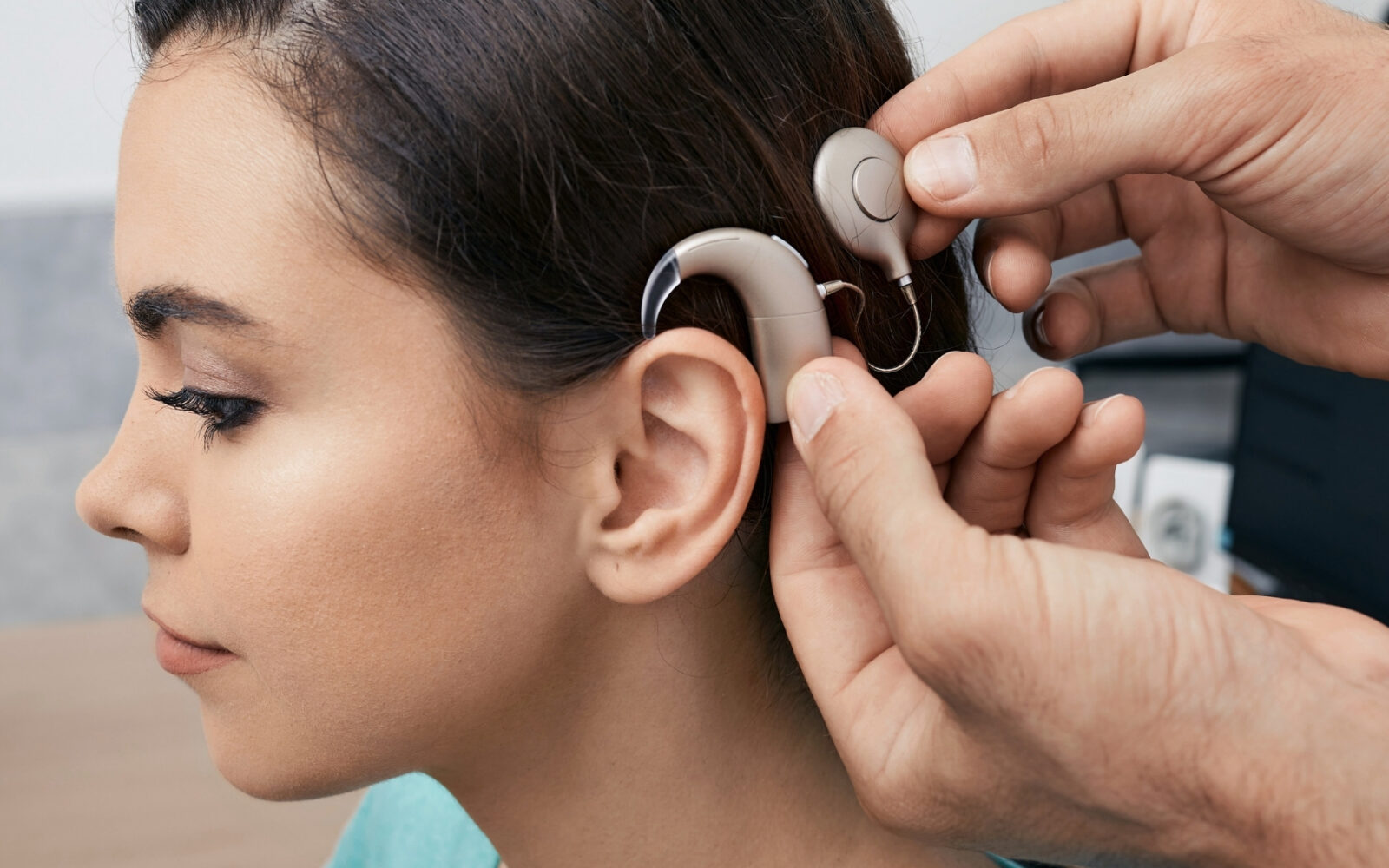
Cochlear implants are more advanced devices designed for individuals with severe to profound hearing loss. Unlike hearing aids, cochlear implants do not simply make sounds louder. Instead, they bypass damaged parts of the inner ear and send signals directly to the auditory nerve.

A cochlear implant has two main components. One part is surgically placed under the skin and inside the inner ear. The second part is worn externally and captures environmental sound. The external device sends signals to the internal implant, which then stimulates the auditory nerve. The brain interprets these signals as sound.

This process allows individuals who receive little or no benefit from hearing aids to experience sound in a new way. However, it is important to understand that cochlear implants do not restore normal hearing. They provide a different method of hearing that requires time and training to adapt.

Key Differences Between Hearing Aids and Cochlear Implants

Although both devices aim to improve hearing, they serve different purposes and involve different processes. Understanding these differences is important when considering treatment options.

Some of the main differences include:

  • Hearing aids amplify sound, while cochlear implants send signals directly to the auditory nerve
  • Hearing aids are non-surgical devices, while cochlear implants require surgery
  • Hearing aids are typically used for mild to severe hearing loss, while cochlear implants are used for severe to profound loss
  • Cochlear implants often require rehabilitation and training after placement

These differences highlight why a professional evaluation is necessary before choosing a device.

Who Is a Good Candidate?

Hearing aids are often the first step in treating hearing loss. They are easy to use, do not require surgery, and can provide immediate improvement. Many people find that hearing aids allow them to communicate more effectively in daily life.

Cochlear implants are usually recommended when hearing aids no longer provide enough benefit. This may occur when hearing loss becomes more severe or when speech understanding remains poor even with amplification. A detailed hearing evaluation can help determine whether a cochlear implant is appropriate.

Adjusting to Each Option

Both hearing aids and cochlear implants require an adjustment period. With hearing aids, users may need time to get used to amplified sounds. With cochlear implants, the process can take longer, as the brain learns to interpret new signals.

Support from hearing professionals, along with consistent use, can help improve results. Over time, many individuals experience better communication and increased confidence in social situations. There are other hearing health services available, too. To find out more about them, contact your local hearing health professional.

Conclusion

Hearing aids and cochlear implants are both valuable tools for managing hearing loss. While they share a common goal, they work in different ways and are suited for different levels of hearing ability. Understanding these differences can help individuals make informed decisions about their hearing care. With proper evaluation and support, it is possible to find a solution that improves both communication and quality of life.