Listening is an important part of communication. When people listen carefully, they understand ideas more clearly and build stronger relationships. Many individuals think of listening as something that only involves the ears. In reality, listening involves both the ears and the eyes. Visual signals, especially eye contact, help the brain interpret speech and meaning during conversations.

Eye contact plays a powerful role in helping people stay focused, understand emotions, and follow discussions more easily. For individuals with hearing difficulties, eye contact can be even more important. It provides visual cues that support the information received through sound.

Understanding the role of eye contact in listening can help people communicate more effectively in daily life.

Why Listening Involves More Than Hearing

When someone speaks, communication does not come only from the words they say. Facial expressions, body language, and eye movements all provide information about meaning and emotion.

The brain combines both sound and visual signals to understand speech. When listeners maintain eye contact, they are more likely to notice subtle facial movements that help clarify spoken words.

This combination of hearing and visual awareness allows conversations to flow more smoothly.

Eye Contact Improves Attention

Eye contact also helps maintain attention during conversations. When individuals look at the person speaking, their focus naturally increases. This helps the brain stay engaged with the message.

By maintaining eye contact, listeners signal that they are actively involved in the discussion.

Supporting Speech Understanding

For many individuals, visual cues play an important role in speech understanding. The movements of the mouth, lips, and facial muscles help the brain identify certain sounds and words. This process is sometimes called visual speech recognition. Even people with normal hearing naturally use visual cues to understand speech.

Eye contact makes it easier to gather these visual signals. When a listener can clearly see the speaker’s face, the brain receives more information to help interpret speech. This becomes particularly helpful when background noise is present or when a speaker has a soft voice.

Eye Contact and Emotional Connection

Listening is not only about understanding words. It also involves recognizing emotions and intentions. Eye contact helps people recognize feelings during conversations.

Eye contact also communicates respect and interest. When listeners maintain eye contact, the speaker feels acknowledged and valued. This strengthens personal connections and encourages open communication. Without eye contact, conversations may feel distant or less engaging.

Situations Where Eye Contact Is Especially Helpful

Certain environments make communication more challenging. Eye contact can help overcome these challenges.

Eye contact is especially useful in situations such as:

  • Conversations in noisy environments
  • Group discussions with several speakers
  • Communication with someone who has hearing loss

In these situations, visual cues provide additional information that helps listeners follow the conversation more effectively. Teachers, healthcare providers, and family members often rely on eye contact to support clear communication in these settings.

Supporting Individuals With Hearing Loss

Eye contact is particularly valuable for individuals who experience hearing difficulties. When hearing ability changes, the brain may receive less sound information from the ears. Visual signals become even more important in these situations. Being able to see the speaker’s face clearly can improve speech understanding and reduce listening fatigue.

Professional hearing evaluations can help identify hearing changes and determine the best treatment options. These evaluations measure hearing ability and help hearing professionals understand how well a person hears speech and other sounds.

Creating a Listening-Friendly Environment

Eye contact works best when communication environments support clear visual interaction. Simple adjustments can improve conversations for everyone involved.

Helpful strategies include:

  • Facing the person who is speaking
  • Maintaining good lighting so faces are visible
  • Avoiding speaking while turning away

These habits help ensure that listeners can see facial expressions and mouth movements clearly. Encouraging these practices in homes, workplaces, and social settings can greatly improve communication.

Hearing Technology and Communication Support

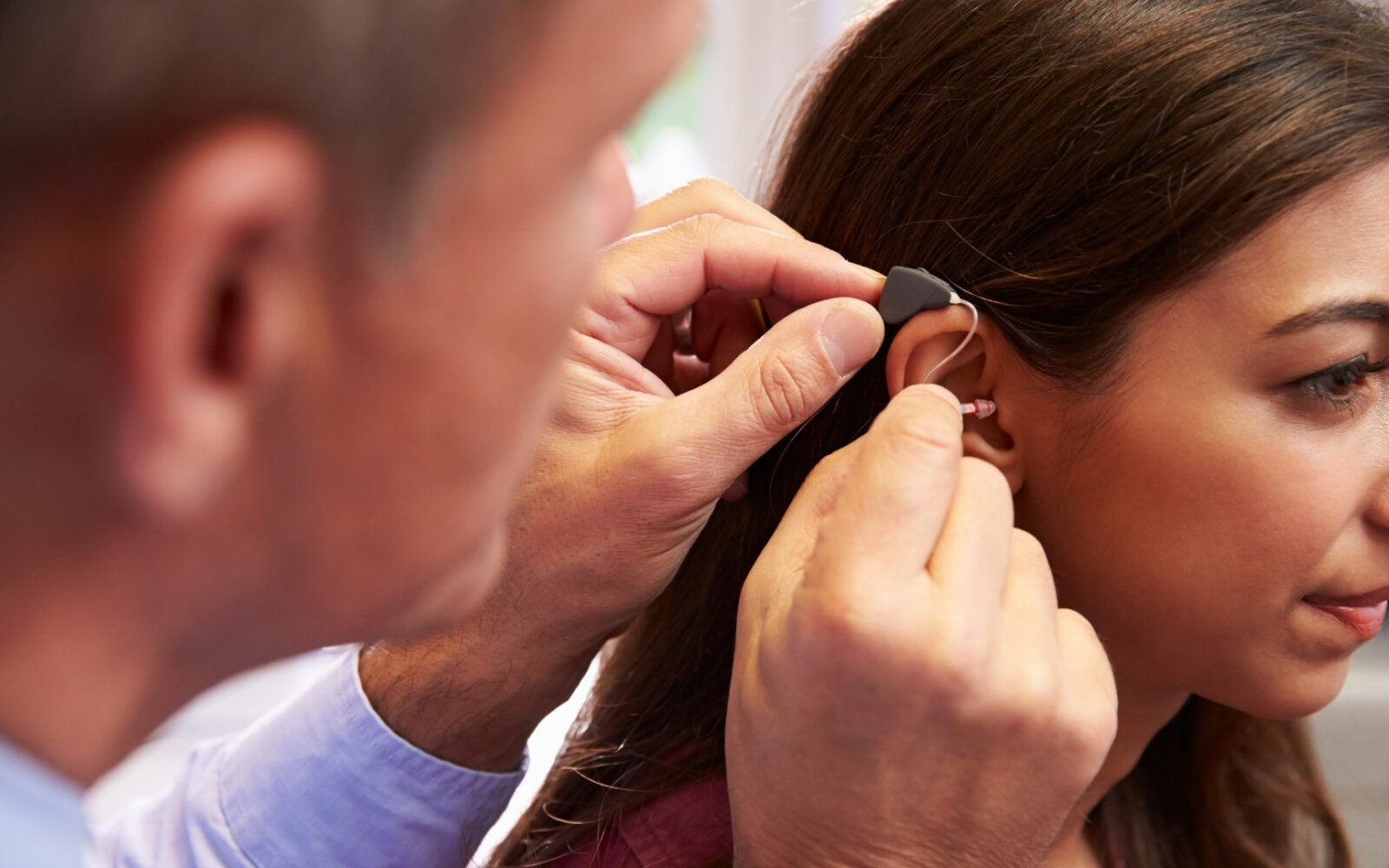
For individuals with hearing loss, hearing technology can also help improve listening experiences. Modern hearing aids are designed to amplify speech and reduce background noise.

They work together with visual cues, such as eye contact, to create a stronger communication experience. Hearing professionals can recommend devices that match a person’s hearing needs and lifestyle.

In Conclusion

Eye contact is a simple but powerful communication tool. It helps listeners stay focused, understand speech more clearly, and recognize emotions during conversations.

By combining hearing with visual attention, individuals can improve their listening skills and build stronger connections with others. Strong listening skills support better relationships, improved understanding, and greater confidence in social interactions.