Group conversations are an important part of everyday life. Families gather around the dinner table to share stories from their day. Friends talk together at restaurants or social events. Coworkers meet to discuss projects and make decisions. These conversations help people stay connected and build strong relationships.

However, group conversations can sometimes be challenging. When several people are speaking, the brain must process many voices and sounds at once. Background noise, overlapping speech, and shifting topics can make it difficult to follow what is being said. These challenges may be even greater for individuals with hearing difficulties.

Fortunately, several communication strategies can make group conversations easier and more enjoyable. With thoughtful adjustments and supportive communication habits, everyone can participate more comfortably in discussions.

Why Group Conversations Can Be Difficult

Listening in a group setting requires both the ears and the brain to work together. The ears collect sound information from the environment, and the brain organizes and interprets that information. In quiet one-on-one conversations, this process is usually simple.

Group conversations are different. Voices may overlap, speakers may talk quickly, and several conversations may happen at the same time. Background noise from music, dishes, or other people can also compete with speech.

Even individuals with normal hearing may occasionally struggle in these situations. For people with hearing loss, however, the brain may receive less sound information from the ears. This makes it harder to separate speech from background noise.

Choosing the Best Seating Position

Where a person sits in the room can make a significant difference in how clearly they hear others. Sitting near the center of the group allows a listener to see and hear multiple speakers more easily. Being able to see faces and expressions helps the brain gather visual clues that support speech understanding.

Helpful seating strategies include:

  • Sitting where most speakers are visible
  • Facing the main conversation area
  • Avoiding seats near loud background noise

For example, in a restaurant, it may help to sit away from the kitchen, speakers, or busy walkways. At family gatherings, choosing a seat where faces are well-lit can make it easier to follow the discussion.

Using Visual Cues to Support Listening

Visual cues play an important role in communication. Facial expressions, gestures, and lip movements all provide additional information that helps the brain interpret speech.

When people can see the speaker’s face clearly, it becomes easier to understand what is being said. Lighting also matters. Poor lighting may make it difficult to see facial movements that help support listening.

Encouraging Clear Communication Habits

Successful group conversations depend on cooperation from everyone involved. When group members follow simple communication habits, discussions become easier to follow.

One helpful practice is taking turns speaking. When several people talk at the same time, it becomes difficult for listeners to understand the conversation.

Group members can support better communication by:

  • Speaking at a moderate and steady pace
  • Allowing one person to speak at a time
  • Getting the listener’s attention before speaking

These habits create a more organized discussion where everyone has a chance to contribute.

It is also helpful for speakers to avoid covering their mouths while talking. Clear speech and visible facial movements make it easier for listeners to understand words and expressions. 

We offer a variety of services to help address communication issues, as well as many others.

Reducing Background Noise

Background noise is one of the biggest challenges during group conversations. Music, television sounds, and other environmental noise can compete with speech.

When possible, reducing background noise can make conversations much easier to follow. Simple adjustments may include lowering television volume, closing windows near busy streets, or moving to a quieter room.

In restaurants or public places, choosing a quieter area of the room can also improve communication. Some establishments offer seating areas away from large crowds or loud speakers.

Using Technology for Communication Support

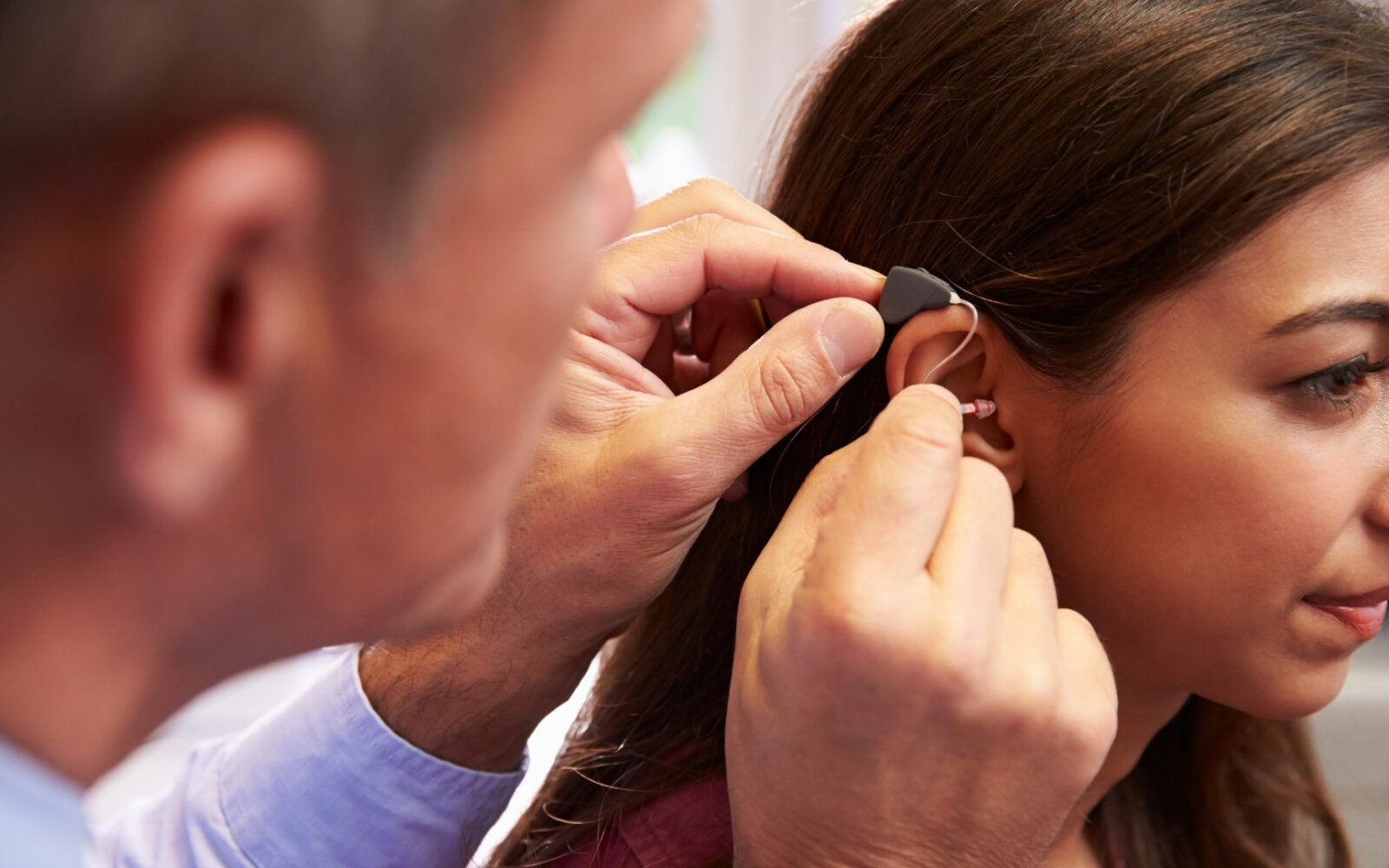
Technology can also support better communication in group settings. Many individuals benefit from modern hearing aids designed to improve speech clarity.

Directional microphones in hearing devices help focus on voices coming from specific directions. Noise reduction systems reduce background sounds that interfere with speech understanding.

These devices are designed to support clearer listening in both quiet and busy environments.

Practicing Patience and Understanding

Group conversations should be enjoyable experiences that bring people together. When communication challenges arise, patience and understanding from everyone in the group can make a meaningful difference.

Listeners may feel more comfortable asking others to repeat information or clarify a point if needed. Most people are happy to help when they understand that someone is working to stay engaged in the conversation.