Balance is often taken for granted until a misstep or stumble reminds someone just how important it is. Maintaining steady movement depends on a combination of muscles, joints, and the inner ear working together. Balance exercises can improve balance control and may reduce fall risk in many people. 

Balance exercises are beneficial for people with balance impairments and can support overall stability for many adults. Over time, consistent practice improves posture, coordination, and body awareness. Balance and vestibular exercises have been shown to reduce dizziness symptoms and improve balance in people with chronic dizziness and vestibular problems.

Understanding the Role of the Vestibular System

The inner ear contains the vestibular system, which helps the brain track movement and spatial orientation. When this system is healthy, it communicates effectively with muscles and joints to maintain stability. Balance exercises engage the vestibular system directly, helping it respond more efficiently to shifts in body position. Challenging balance can help reduce dizziness and improve stability over time.

Strengthening the vestibular system also supports coordination. Activities that involve gentle twisting, turning, or shifting weight teach the brain to interpret signals from the inner ear more accurately. Over time, such training improves reaction time to sudden movements, reducing the likelihood of falls or missteps.

Benefits Beyond Stability

Balance exercises contribute to more than just steadiness. They improve posture, which reduces strain on muscles and joints during everyday activities. Better posture makes it easier to move comfortably and maintain energy throughout the day. Even simple exercises, such as standing on one leg or heel-to-toe walking, can support these improvements.

Balance training can also improve coordination and motor control. Paying attention to body position and movements engages the brain, creating stronger neural connections that support motor skills. This mental engagement complements physical improvements and helps the body react more naturally to shifts in terrain or obstacles.

Incorporating Balance Into Daily Routines

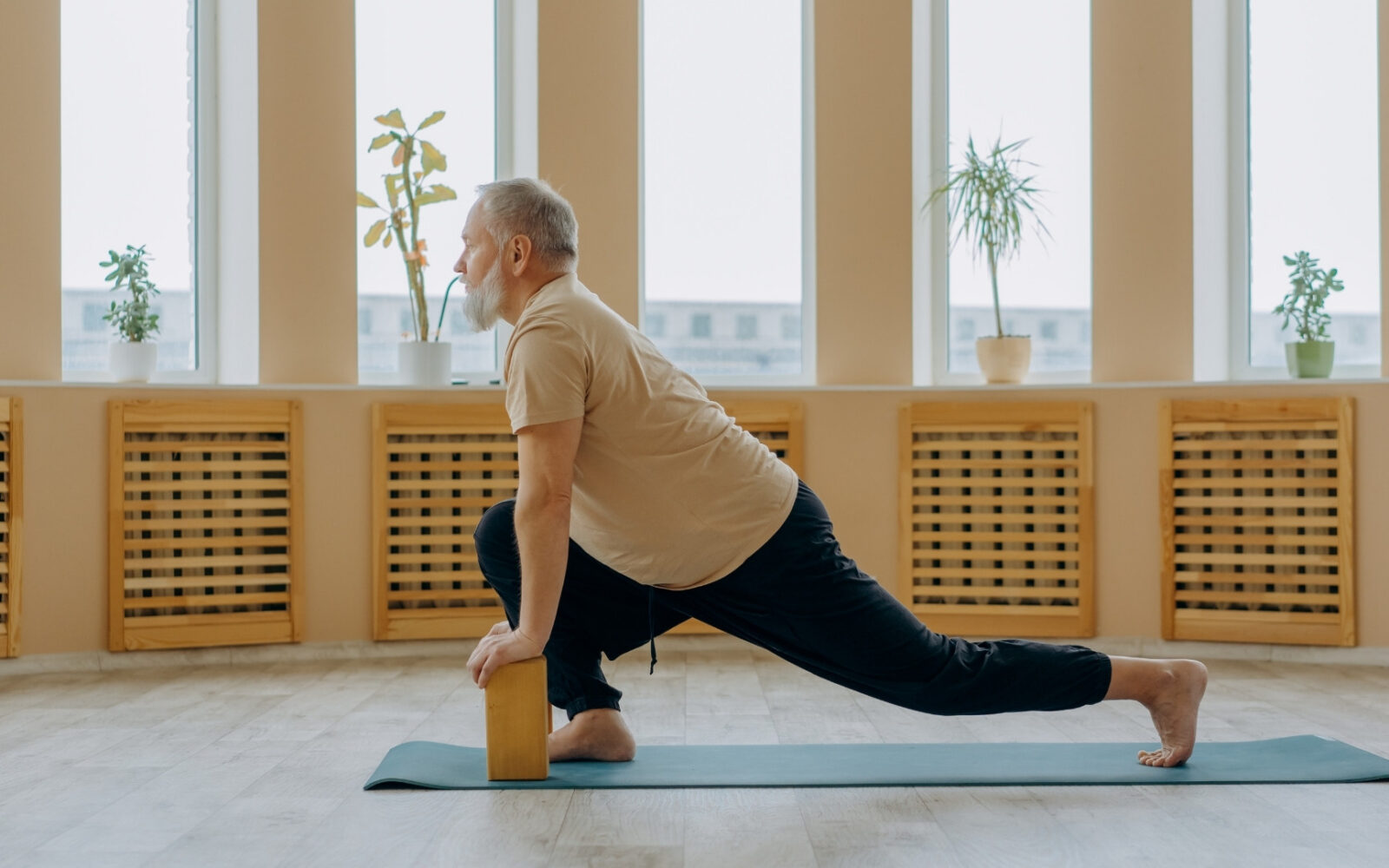
Balance exercises can be seamlessly integrated into daily life. Activities like yoga, tai chi, or gentle strength training often include movements that challenge stability while building core strength. Even standing on one leg while brushing teeth or reaching for items can strengthen muscles and improve awareness of body position.

Consistency matters more than intensity. Short, daily sessions are often more effective than occasional longer workouts. Over time, these small habits accumulate, creating noticeable improvements in stability and confidence. Short, regular balance training sessions are more effective than sporadic efforts.

Preventing Falls and Increasing Independence

Falls are a leading cause of injury, particularly for older adults, yet balance exercises can significantly reduce this risk. Strengthening muscles, improving coordination, and maintaining vestibular function all contribute to safer movement. Improved balance and stability can support confidence in movement, especially for those with documented balance deficits.

This increased confidence translates into greater independence. When balance feels reliable, there is less fear of accidents, allowing individuals to engage fully in daily life. Over time, these exercises can help maintain mobility, protect joints, and promote overall well-being.

Customizing Exercises for Individual Needs

Not all balance exercises are one-size-fits-all. People with different levels of mobility or underlying conditions may require specific routines to safely improve stability. Tailored exercises ensure that each movement strengthens the right muscles and challenges the body without causing strain or discomfort.

Professional guidance can help identify the best exercises and provide modifications if needed. Hearing health professionals and specialized vestibular or physical therapy clinics often include balance and dizziness assessments. A tailored balance plan helps ensure safety and effectiveness.

Taking the Next Step

Adding balance exercises to a daily routine supports physical stability, coordination, and confidence. Regular balance training can support postural control and help maintain independence, especially in people with balance impairments. For those experiencing dizziness or instability, professional assessment and personalized routines can provide guidance and reassurance.

Hearing health professionals, physical therapists, and vestibular specialists can provide exercises tailored to balance and vestibular health. Connecting with professionals ensures that balance training is safe, effective, and tailored to individual needs, helping maintain independence and confidence for years to come. Contact us today.