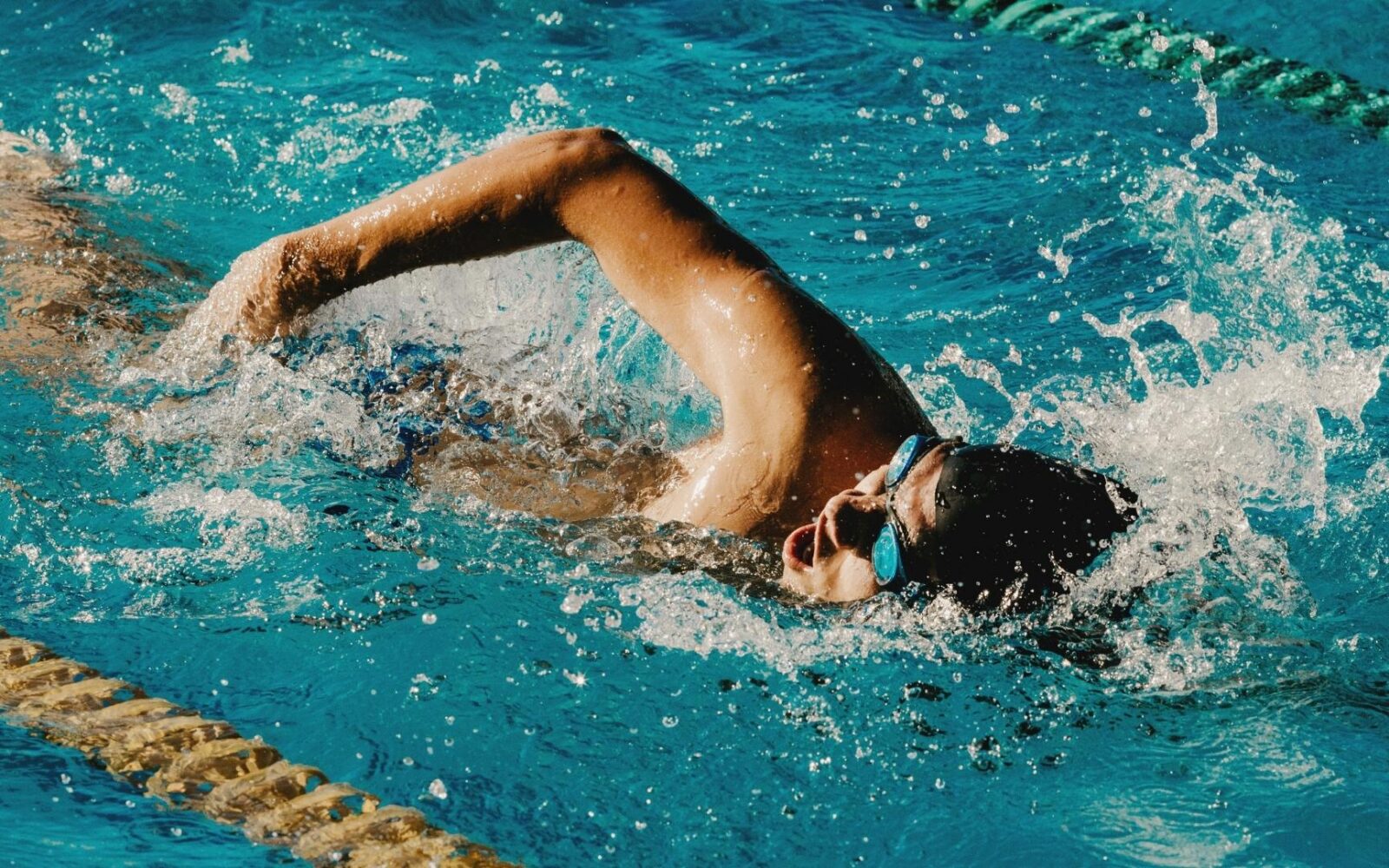
Swimmer’s ear, medically known as otitis externa, is an inflammation of the outer ear canal that can cause pain, itching, and sometimes fluid drainage. It often develops after water becomes trapped in the ear canal, which commonly occurs after swimming. 

Ignoring the condition or continuing to swim can worsen irritation or delay healing because moisture promotes bacterial growth. Understanding how swimmer’s ear develops, how it responds to water exposure, and what precautions support healing helps people make informed choices while protecting hearing and ear health.

How Swimmer’s Ear Develops

Swimmer’s ear occurs when moisture becomes trapped in the ear canal, creating an environment where bacteria or fungi can thrive. Even a brief exposure to contaminated water can introduce microorganisms that irritate the ear. People with narrow ear canals, eczema, or prior ear infections are often more susceptible. The condition can range from mild irritation to severe infection, depending on the extent of inflammation and the type of bacteria involved.

Early symptoms include itching, mild discomfort, or slight redness, which can progress to swelling, pain when touching the ear, and sometimes fluid drainage. Recognizing the signs quickly allows for prompt treatment and helps prevent the infection from worsening. 

Why Swimming Can Make It Worse

Water entering an already inflamed ear canal can exacerbate irritation and increase the risk of infection spreading. Even clean water that remains trapped in the ear canal can delay healing, and unclean water may contain bacteria that increase infection risk. Even clean water temporarily trapped in the ear canal can prolong inflammation and slow the healing process. 

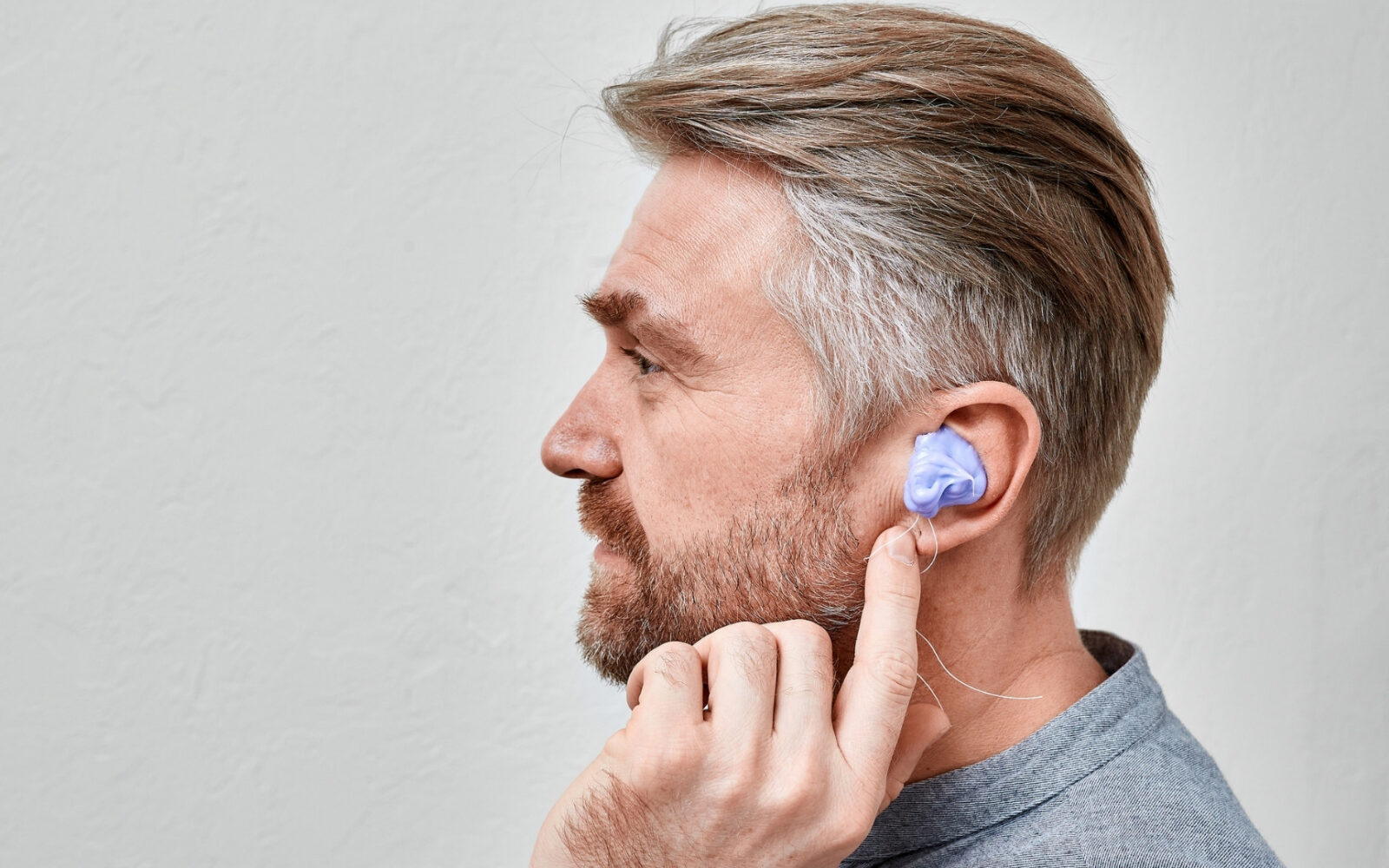
Some protect their ears with swim plugs, but ill-fitting plugs can irritate the canal or still allow water entry if not used properly. In some cases, plugs can trap water or bacteria inside, which can worsen the infection. Protecting the ear by avoiding water exposure during active infection is the safest approach until treatment has begun and symptoms improve.

Treatment Options and Recovery

Treatment for swimmer’s ear typically involves prescription ear drops that may include antibiotics, antifungals, or anti-inflammatory medications. These medications target the infection directly, reduce swelling, and relieve discomfort. In more severe cases, oral antibiotics or additional interventions may be required. 

Recovery time varies depending on severity, but most mild cases improve within a week of consistent treatment. Pain and itching generally subside first, followed by the resolution of redness and swelling. Keeping water out of the ear while it heals supports effective treatment. 

Preventive Measures for Future Swims

After recovering from swimmer’s ear, preventive habits are important to reduce recurrence. Thoroughly drying the ears after swimming or bathing is a simple yet effective measure. Tilting the head to allow water to drain naturally, using a soft towel, or gently using a hair dryer on a low, cool setting at a safe distance can help. Avoiding insertion of cotton swabs or objects into the canal prevents damage and reduces infection risk.

After full recovery, some swimmers use ear protection, like well-fitting swim plugs or preventive drying drops, to help reduce water exposure, but these should be used only when advised and not during active infection. These tools help block water from entering the ear canal and maintain the natural barrier against bacteria. 

Signs That Professional Care Is Needed

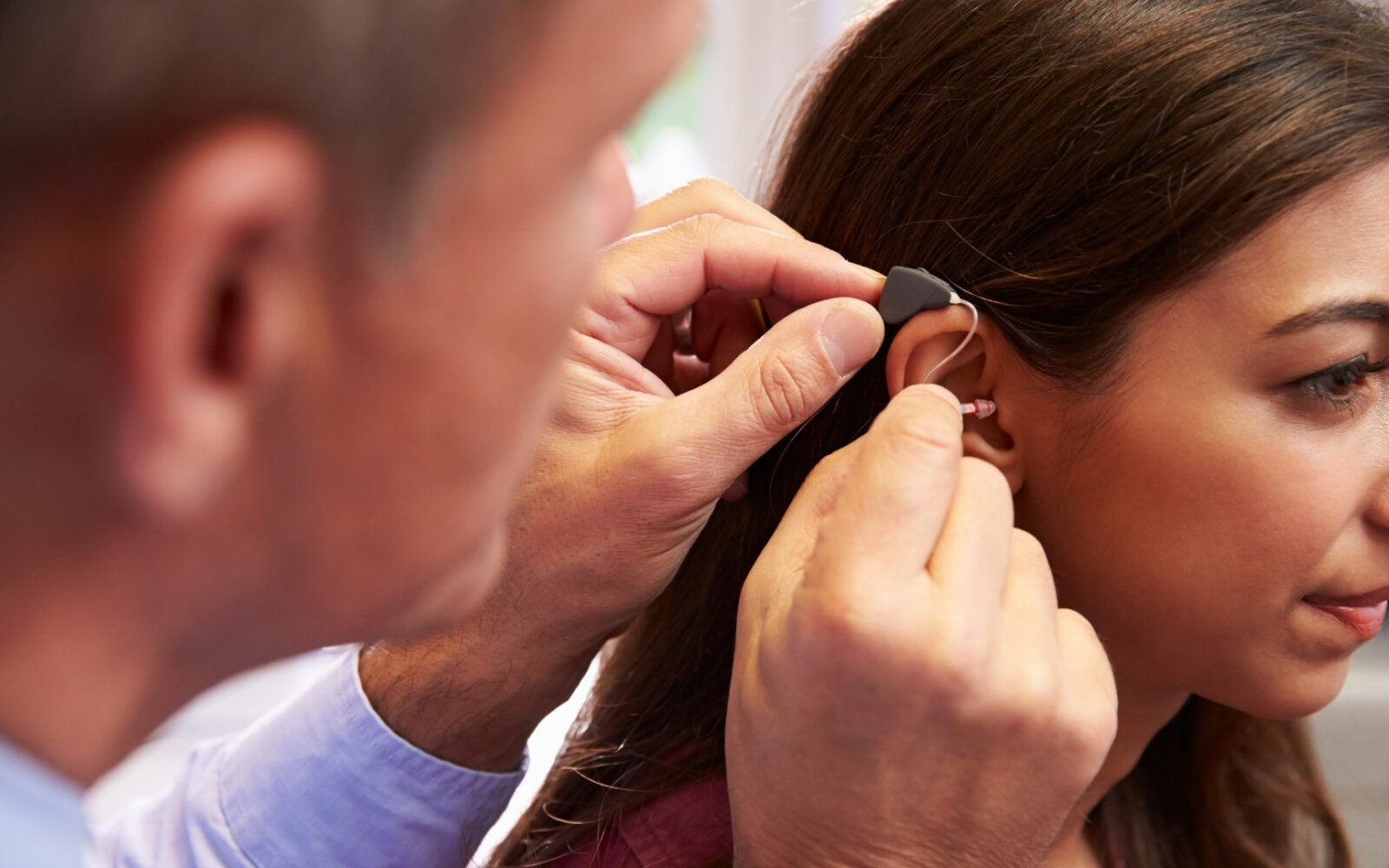
Not all ear discomfort resolves on its own, and severe cases require evaluation by a hearing care professional or physician. Persistent pain, fever, significant drainage, or swelling beyond the canal are indicators that treatment may need to be adjusted. Early professional intervention prevents complications, such as the infection spreading to surrounding tissue or temporary hearing changes.

Scheduling a consultation ensures the correct diagnosis and treatment plan. Professionals can also provide guidance on when it is safe to resume swimming and recommend techniques or protective devices for water activities.

Returning to Swimming Safely

Once symptoms are fully resolved and treatment has finished, and after discussion with a hearing health professional, swimming can usually be resumed. Wearing protective earplugs and maintaining good ear hygiene can reduce the risk of reinfection. Monitoring for early signals of discomfort after resuming swimming helps catch potential issues early. 

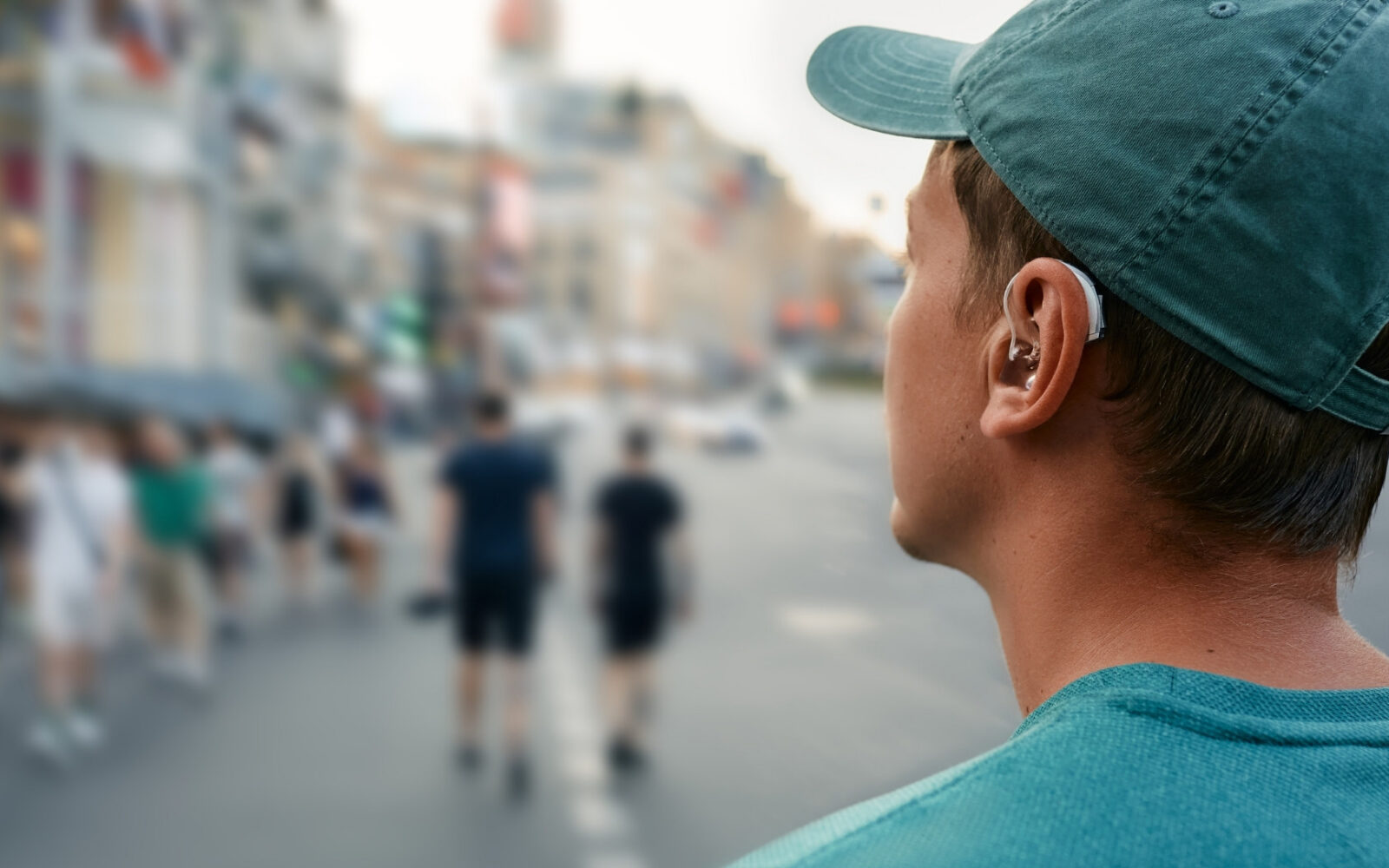
For individuals who frequently swim, consulting our hearing health professional about preventive strategies is recommended. Professional guidance can provide personalized tips and products designed to protect sensitive ears while maintaining an active lifestyle.