
Hearing aids might be powerful tools, but they depend on other factors aside from just good technology. One of these factors is a good fit, as that’s the only way one can get comfort and clear sound. The wearer might become frustrated when using a device that doesn’t fit well, especially if they experience feedback, discomfort, or worsening hearing loss. 
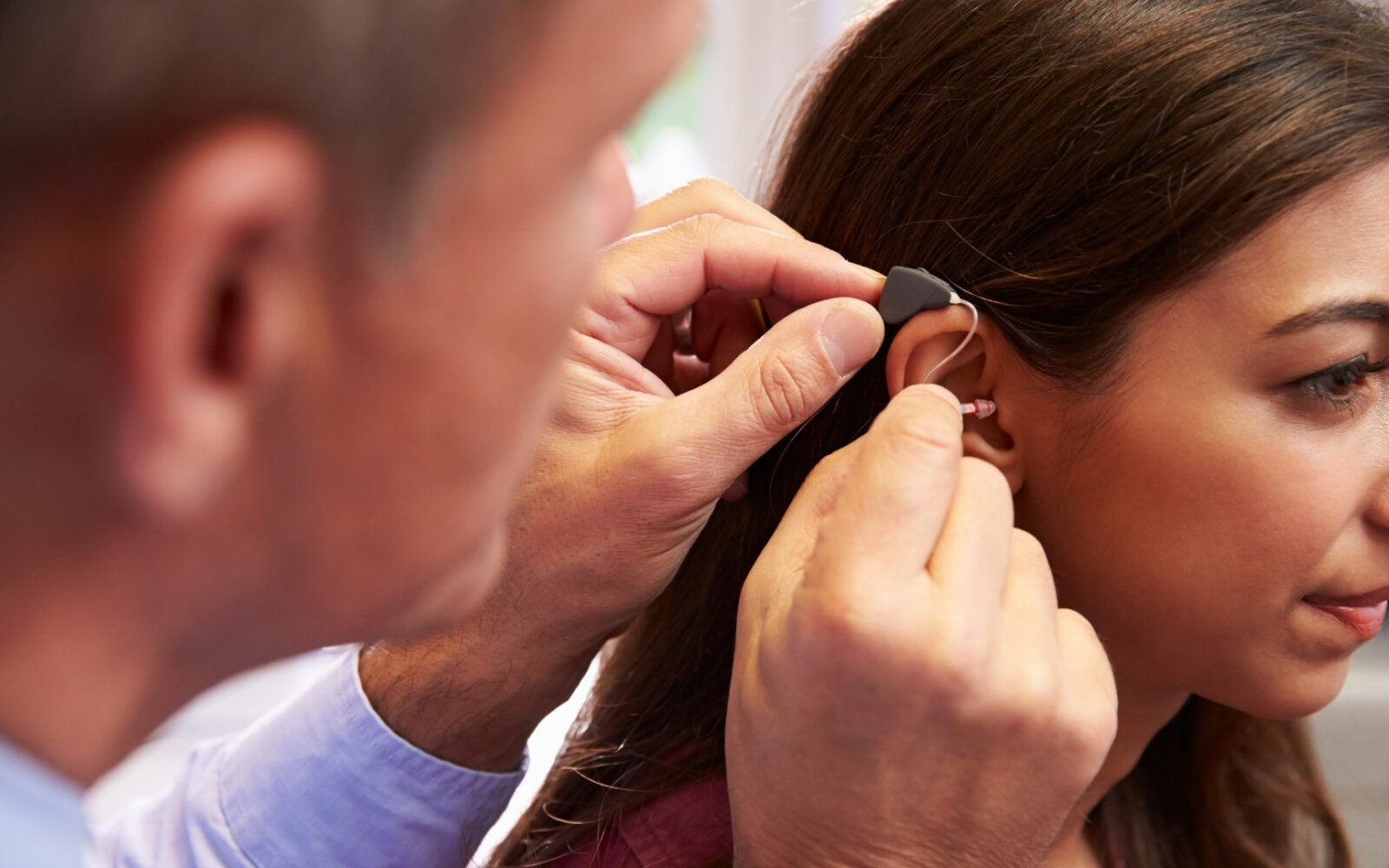
Fitting hearing aids properly will allow them to work as they should, increasing the user’s confidence in conversations. Talking to others will become more natural, listening is less taxing, and daily living is much easier when the hearing device is customized to meet the user’s ear shape and hearing needs. 

The Basis of Comfort

The first and most obvious benefit of a good fit is comfort. For individuals prescribed hearing aids, they must use them regularly, but that becomes hard when they’re uncomfortable or irritate the ears. Also, when removing them too often, it makes it difficult for the user to connect with sound and wake the brain up. 

But every ear is different, so the hearing aid must be fitted based on the patient’s needs so that it doesn’t fall out or feel uncomfortable when wearing it for a long time. When it’s physically comfortable, the patient will be more willing to wear the device every day. This will help in getting used to the device and increase the long-term benefits. 

Sound Clarity and Quality

Sound performance is directly impacted by how well a hearing aid fits. Speech can become less clear and more difficult to understand if a device is too loose or misaligned. When the fit is off, you may hear muffled tones, whistling, or feedback.

The intended delivery of amplified sound to the ear is guaranteed by proper fitting. Accurate speech recognition, frequency balance, and volume can then be provided by the device. Talking becomes less taxing when the sound is clear and precise, and listening becomes more effortless and natural.

Taking Individual Hearing Needs Into Account

Each person’s hearing loss is different, and the device’s fit must take this into consideration. Placing the device correctly can compensate for unique hearing profiles by amplifying particular frequencies where they are most needed, as opposed to offering generic amplification.

Fine-tuning to fit listening environments and lifestyles is also made possible by fitting. Adjustments can be made to ensure optimal performance in real-world settings, whether they are in outdoor areas, busy restaurants, or quiet rooms. This individual approach turns the gadget from mere equipment into a useful, efficient tool.

Cutting Down on Device Abandonment and Frustration

One of the main reasons people are unhappy with their hearing aids is a poor fit. Devices that are uncomfortable, slip, or give feedback are left unutilized. This not only squanders money but also postpones advancements in communication and living standards.

These annoyances can be reduced by investing the time necessary for an accurate fit. The ideal fit helps users enjoy the advantages of amplified sound without being distracted, encourages adaptation, and encourages consistent use. This easy action promotes long-term satisfaction and avoids early abandonment.

Sustaining Efficiency Over Time

Fitting hearing aids is a continuous process. As a person’s ear shape, hearing levels, or hearing aid performance changes over time, they also need to adjust their device. Regular check-ins make sure that the device can constantly keep up with user demand and operate at the highest efficiency. 

Another benefit of paying attention to hearing aid fit is that it allows one to solve problems before they get worse. Minor adjustments can prevent feedback sounds, discomfort, or sound distortion before the device is fully damaged. Hearing aids are always dependable, efficient and supportive of daily interactions as long as they fit well.  

Acting to Improve Hearing

All other advantages of wearing a hearing aid are predicated on proper fitting. Comfort, clarity, and reliable performance are guaranteed by scheduling fittings and follow-ups. Proper fit allows the device to work as it should, improving a person’s confidence and conversations. 

Setting up regular check-ins or appointments aids in determining what needs to be adjusted, preserving peak performance, and avoiding frustration. By providing appropriate fitting and consistent follow-up, hearing aids become a reliable companion in day-to-day activities, promoting improved listening and more organic interaction.