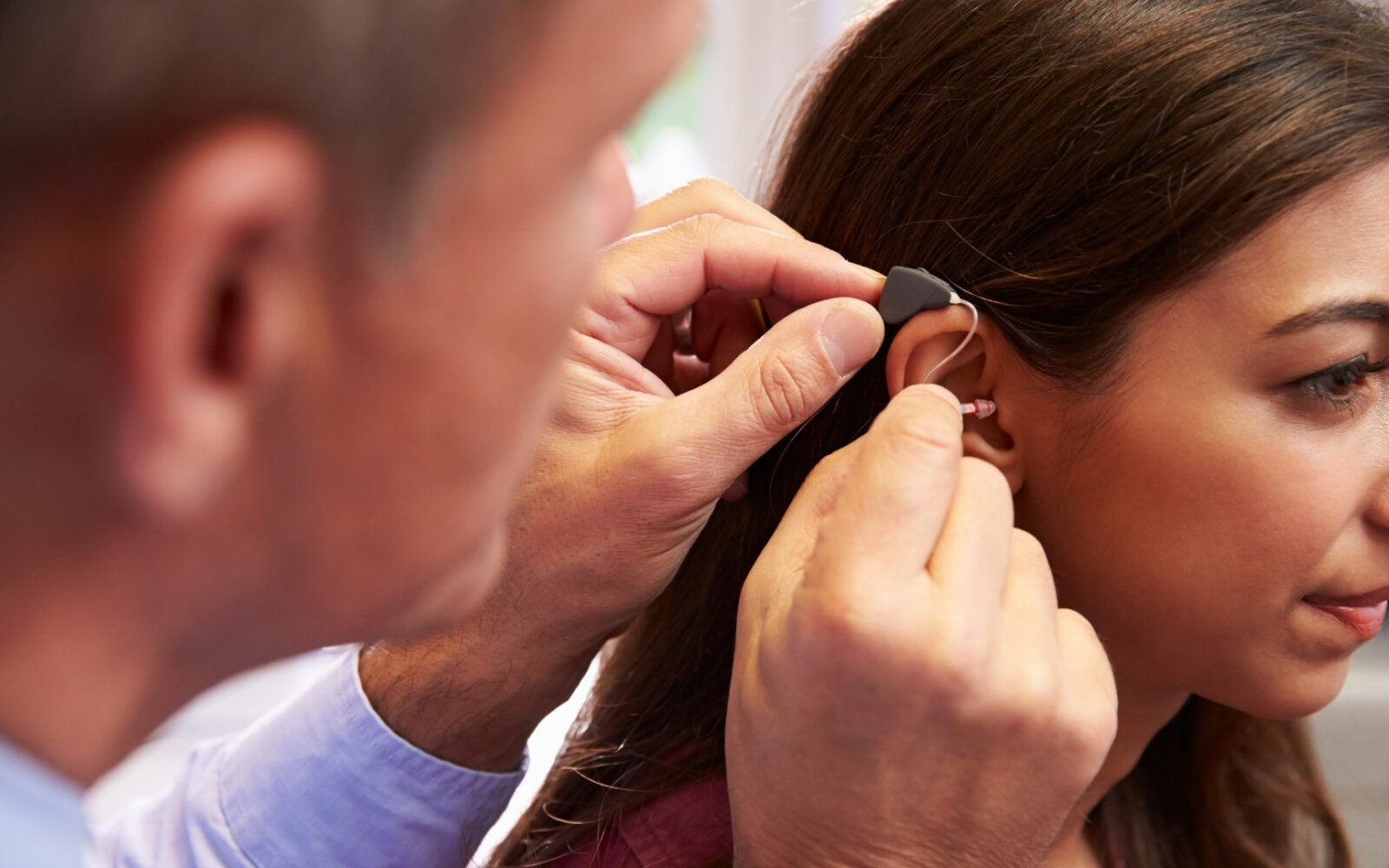
Although it rarely receives the recognition it merits, earwax is important for both daily hearing comfort and the functionality of hearing aids. Although earwax has a useful function, it can still cause muffled sound, hearing aid malfunction, and other unforeseen problems if it accumulates or behaves in unusual ways.

These issues can have a significant impact on how someone perceives background noise, music, and conversations in everyday life. However, it is possible to avoid frustration and promote improved long-term hearing wellness by being aware of how earwax behaves and interacts with hearing aids.

Earwax’s Natural Function

Earwax serves as a silent guardian. Before dust, debris, and other tiny particles can enter the ear more deeply, it captures them. It also prevents the skin inside the ear from getting dry or irritated because of its natural moisture content. This equilibrium maintains the ear’s health while controlling typical environmental exposure.

But this protective material may gather more than anticipated. This can cause the passage where sound travels to become blocked. A gradual change in hearing clarity is noticed by people when this happens, which can be perplexing or worrisome.

How Sound Flow Is Interrupted by Earwax

Sound quality can be altered by even a tiny bit of earwax applied incorrectly. To get to the inner regions of the ear, sound waves require an open path. Sounds may appear distant, quiet, or unclear when earwax constricts that space. Even though the cause is just a physical blockage, this can give the appearance that hearing has suddenly changed.

During conversations, this phenomenon can be particularly annoying. The brain has to work harder to fill in the blanks when speech sounds jumbled. This additional work could eventually make everyday communication more stressful.

The Unspoken Connection Between Hearing Aids and Earwax

Most people don’t realize how much earwax and hearing aids interact. The placement of hearing aids in or close to the canal causes the ear to produce more wax than normal. Although this increase is typical, if it is not regularly controlled, it may cause problems. Wax can build up close to the tiny holes in the device where sound enters, unexpectedly slowing down performance.

The sound may appear weak, distorted, or irregular when wax gets to these places. When the device just needs to be cleaned, some users might believe it is malfunctioning. Earwax maintenance minimizes the need for repairs and helps hearing aids function as intended.

Why Some Individuals Generate More Earwax Than Others

Each person produces earwax differently. Age, surroundings, and even stress can alter the amount of earwax that forms. While some people naturally produce softer wax that moves differently, others have drier wax. The rate at which wax accumulates is influenced by these variations.

Because the device sits in the ear for many hours every day, people who wear hearing aids notice that wax builds up regularly. This isn’t a sign of bad personal hygiene. The ear is merely reacting to consistent contact.

Earwax Buildup Counter-Narratives

A common misconception is that earwax accumulation always results in pain or other visible symptoms. In actuality, wax can completely obstruct the flow without causing any discomfort. The only sign could be a slight buzzing sound or a gradual decline in hearing clarity. One reason why buildup goes unnoticed until it becomes disruptive is because of this gradual progression.

The idea that cotton swabs keep ears clean is another myth. Rather, they often push wax deeper, which raises the possibility of blockage. Wax is removed gradually and safely by natural movement, but wearing hearing aids can stop this process. Although this interaction is rarely discussed, it is one of the common causes of abrupt hearing loss in people who wear hearing aids.

Improving Ear Health Habits

Healthy habits have a discernible impact. Better sound quality and comfort are supported by easy actions like routinely cleaning hearing aids and keeping appointments. Wax buildup can be detected early by monitoring minor changes, which helps avoid confusion or device issues.

Long-term protection and reassurance are provided by professional ear care. Regular examinations offer the chance to safely remove wax, make any necessary adjustments to hearing aids, and discuss any changes in hearing. A hearing health professional can assist in establishing a convenient maintenance schedule that suits each person’s requirements and way of life.