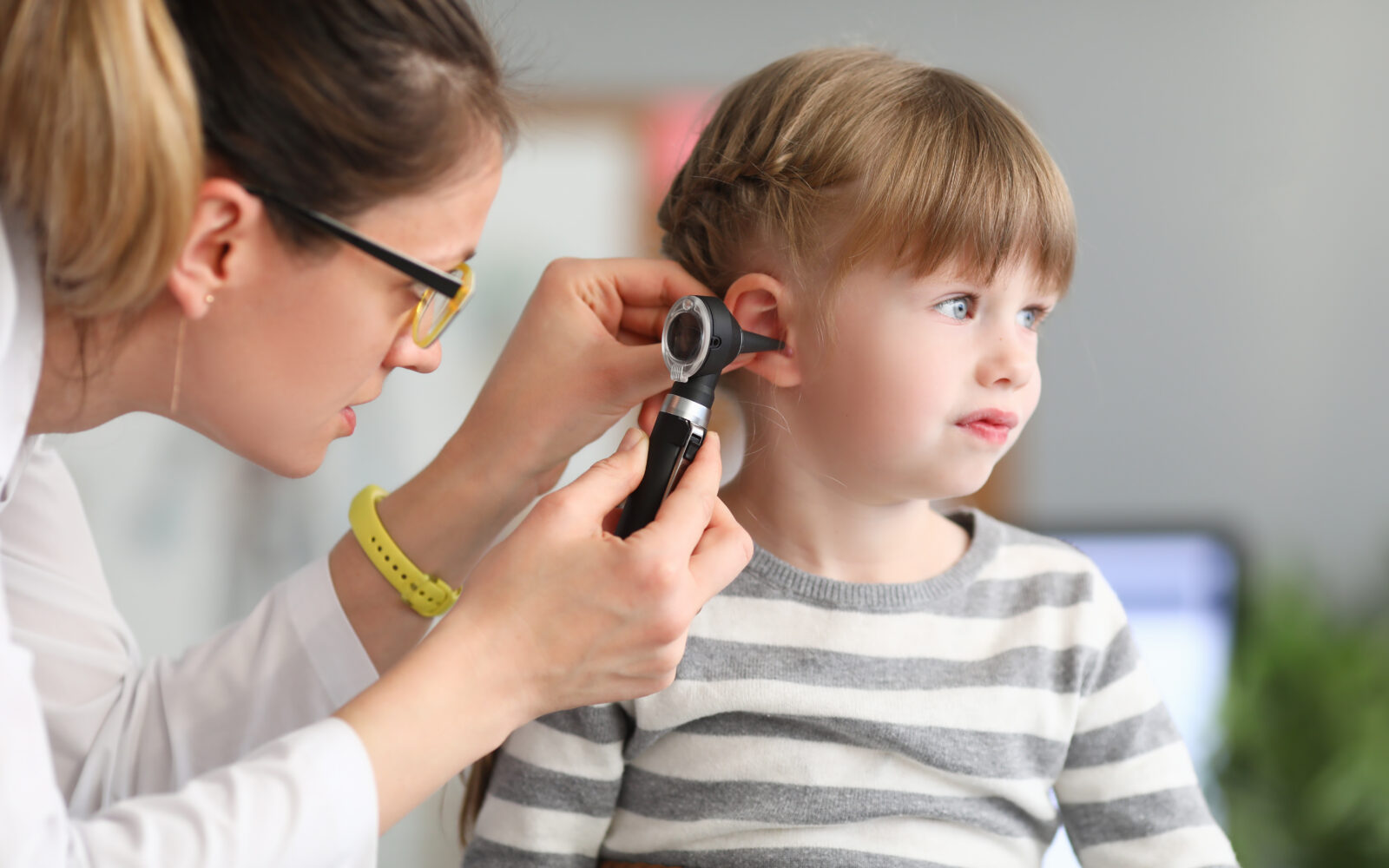
Children often feel nervous when visiting an ear clinic, especially when they see the otoscope, a small tool with a bright light used to look inside the ear. For parents, the exam may look like a quick check, but it can reveal far more than meets the eye. An otoscopic exam helps identify common conditions, monitor changes, and provide reassurance about a child’s hearing health.

While it might appear routine, this simple test can explain symptoms such as ear pain, speech delays, or difficulty listening in school. Every exam tells a story about the child’s ears, and those stories often provide guidance for what comes next.

The Story Told by a Clear Ear Canal

One of the most promising otoscopic findings is a clean ear canal. Sound can easily reach the eardrum when the canal is clear. This outcome reassures that the ear is functioning normally and establishes a healthy baseline. Although this result is common in children, it actually has a big impact on the general health of the ears.

Meanwhile, a clean canal might disclose little but important components. Some redness, dryness, or irritation may indicate allergies, early eczema, or pool chlorine exposure. These insights allow hearing health professionals to advise before issues escalate. Instead of “nothing to see,” a normal ear canal indicates that everything is working properly and provides future warnings.

Wax Buildup and Its Surprising Impact

Another common sight during pediatric otoscopic tests is natural earwax. Dust and bacteria are trapped by it, but too much might damage the ear. When wax rests against the eardrum, children may have problems hearing, following conversations, or feeling uncomfortable. While wax buildup may be a small irritation, it can hinder school-age children’s reading, speech, and learning.

Wax appearance is also useful. Lighter wax indicates healthy self-cleaning, but darker wax may suggest chronic accumulation. Removal may be needed to improve hearing and comfort after considerable accumulation. A seemingly insignificant discovery can explain minor concerns like a child asking for repetition during conversations or cranking up the TV volume.

Middle Ear Fluid and Why It Matters

Most children have middle ear fluid, or otitis media with effusion. After a cold or allergy, fluid lingers behind the eardrum. This fluid may not hurt, but it muffles noises and may hinder speech or language development. Otoscopic tests may reveal fluid in the eardrum if it is dull, bulging, or motionless.

Chronic fluid can hinder communication and learning, making this discovery important. Children may not hear instructions or subtle speech sounds at school or home, causing annoyance or behavior issues. Hearing health professionals can recommend monitoring, supportive treatment, or further testing after identifying the fluid. An otoscopic test can detect this hidden hearing barrier before irreparable harm.

Ear Infections Seen Up Close

The otoscopic exam is the main approach to confirm ear infections, which are frequent in children. Symptoms of acute otitis media include a red, bulging eardrum that traps fluid and pressure. The ear exam helps diagnose fever, irritability, and sleep issues in children.

Recurrent infections can leave a mark. Even if the current visit indicates no infection, thickened eardrum tissue or scarring may indicate a history of ear problems. This understanding helps hearing health professionals spot patterns and consider ear tubes when infections impede hearing or daily life.

Foreign Objects and Unexpected Surprises

Children are naturally curious, which means small objects sometimes find their way into the ear canal. Beads, bits of food, or even tiny toys are among the unexpected findings during otoscopic exams. These foreign bodies often cause discomfort, drainage, or a sudden decline in hearing, prompting a closer look.

Removing an object safely requires careful technique, but the exam itself often tells the story of how long the item has been there and whether it has caused irritation. While it may seem unusual, finding an object in the ear is not rare, especially in toddlers and preschoolers. Catching it early prevents further problems and keeps the ear healthy.

Guidance Beyond the Exam Room

Otoscopic exams do more than record the present. It discusses how ear health influences communication, learning, and well-being. Understanding the data helps families understand why symptoms develop and what to do next. The exam advises fluid monitoring, wax management, and infection treatment.

Schedule regular ear examinations to prevent tiny troubles from growing. Children find these visits easy and comfortable at clinics with the right equipment. A simple otoscope appointment can provide families with peace of mind about hearing and ear health. Make an appointment today to maintain children’s hearing.